Work — Altherr Désile Park
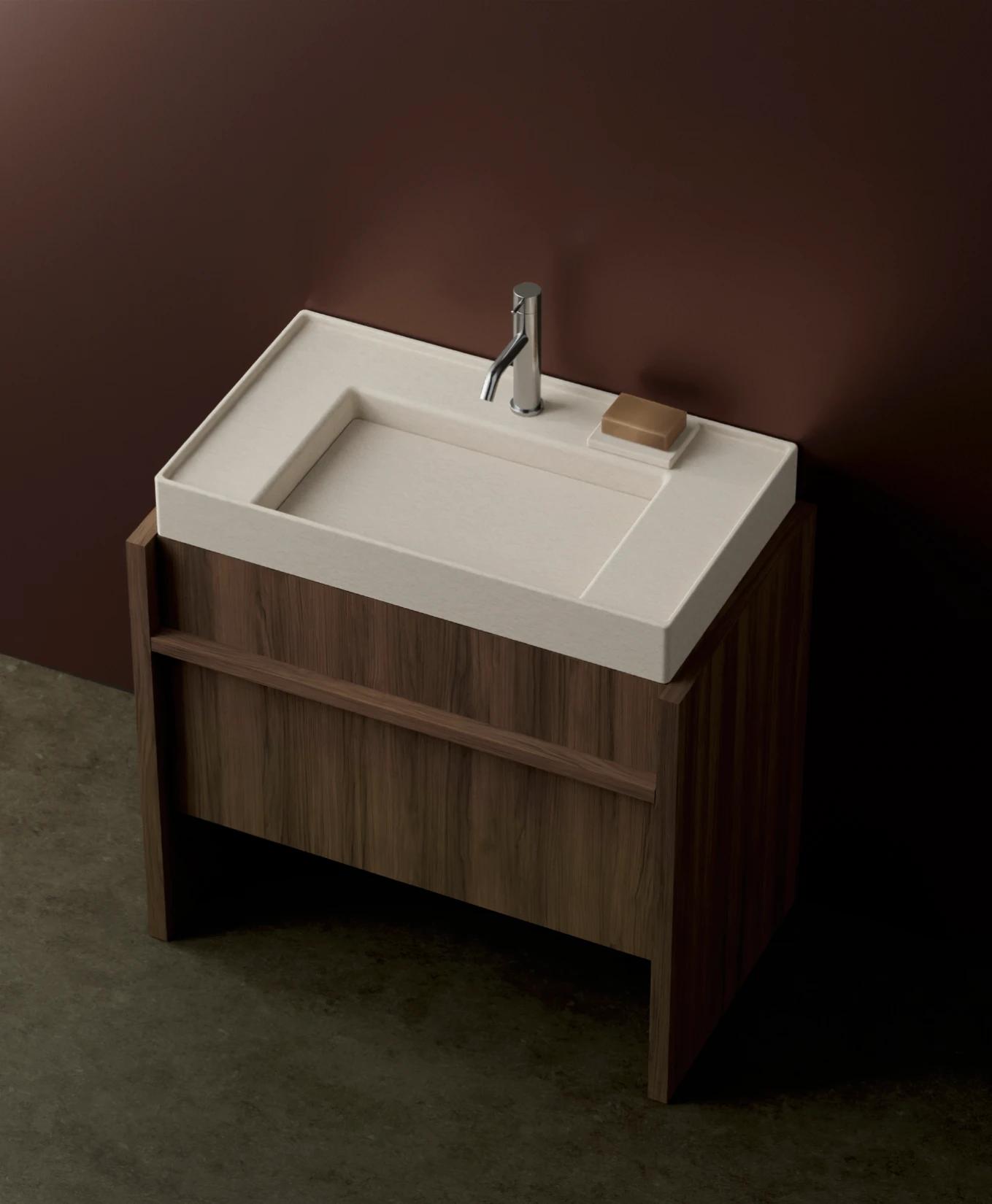
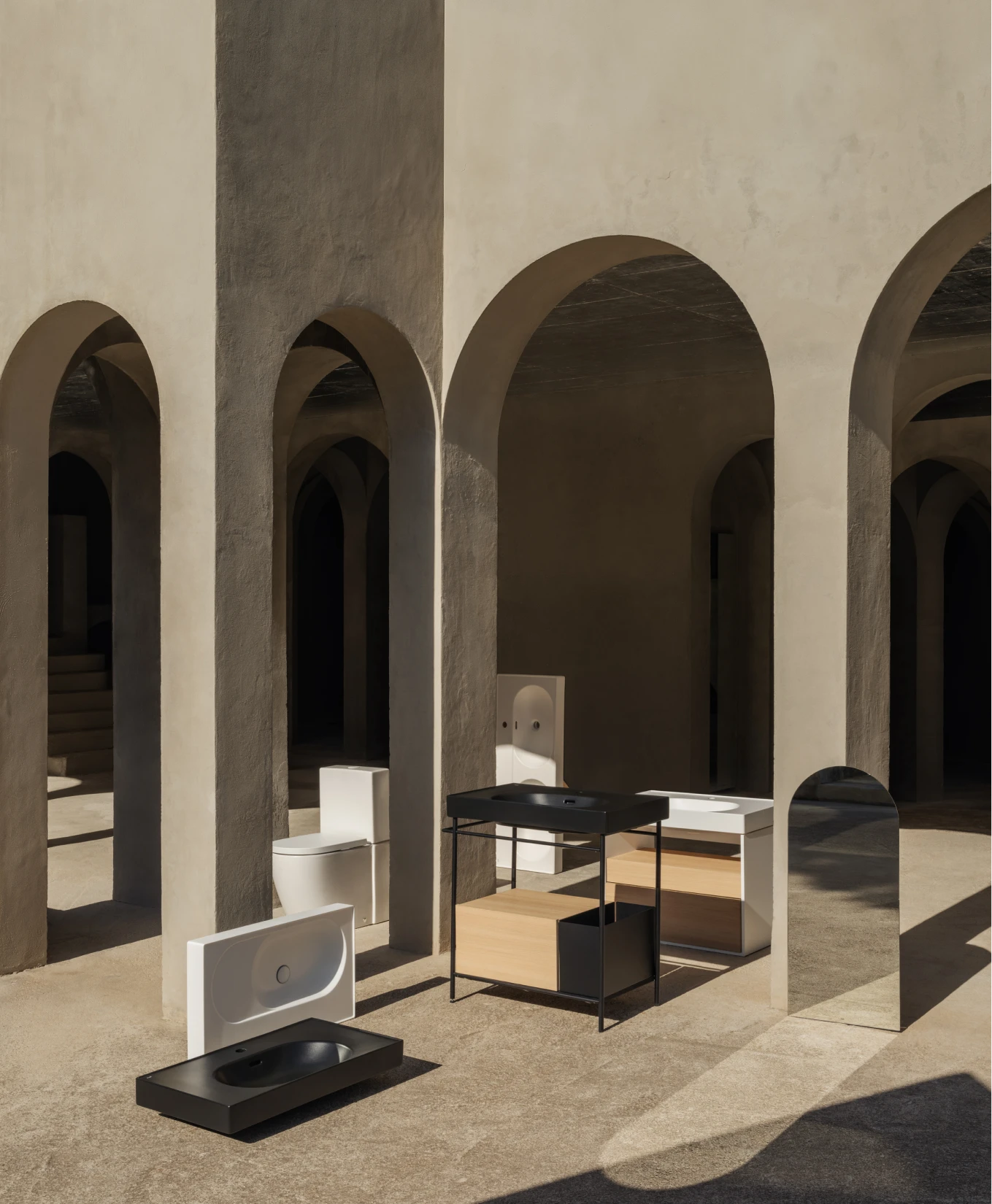
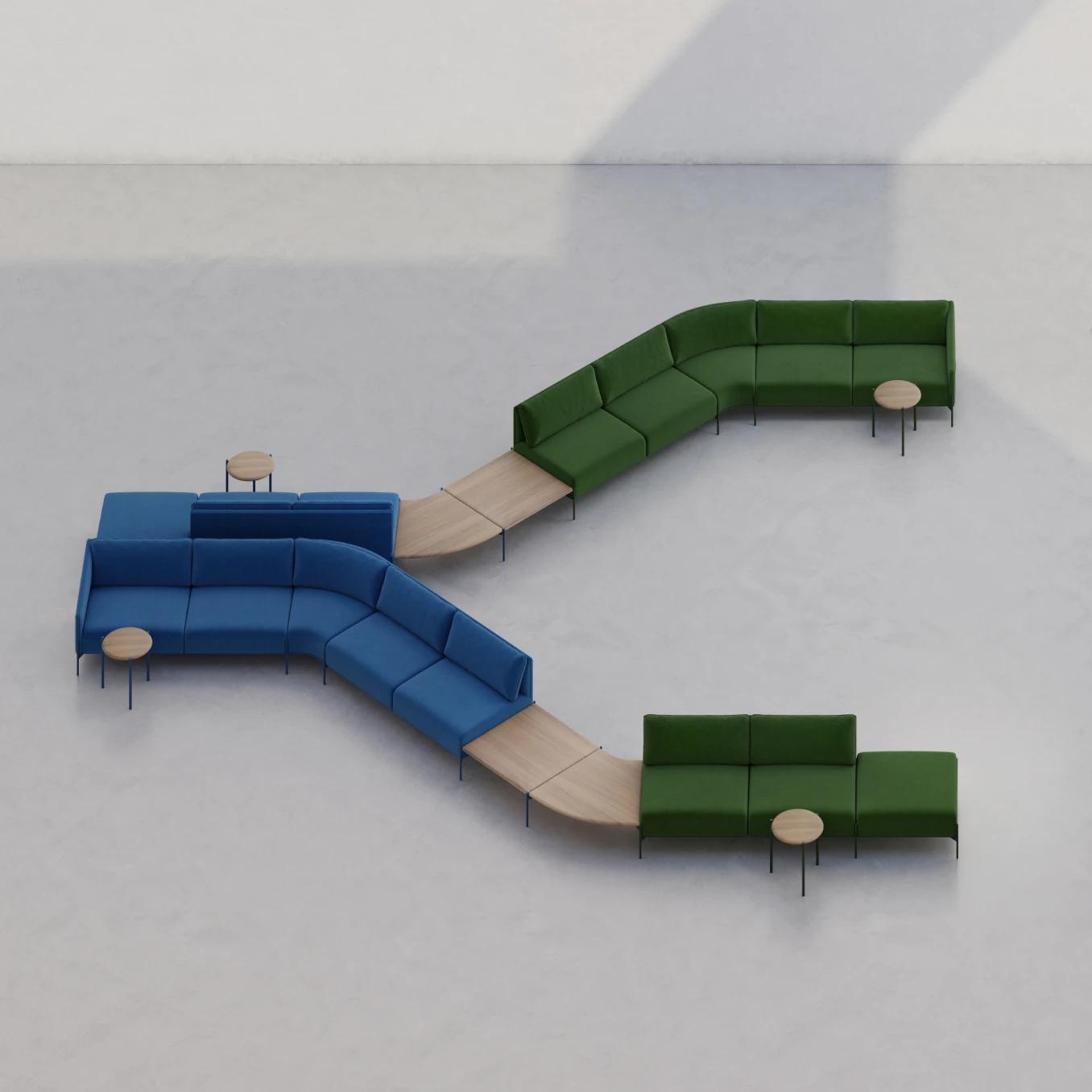
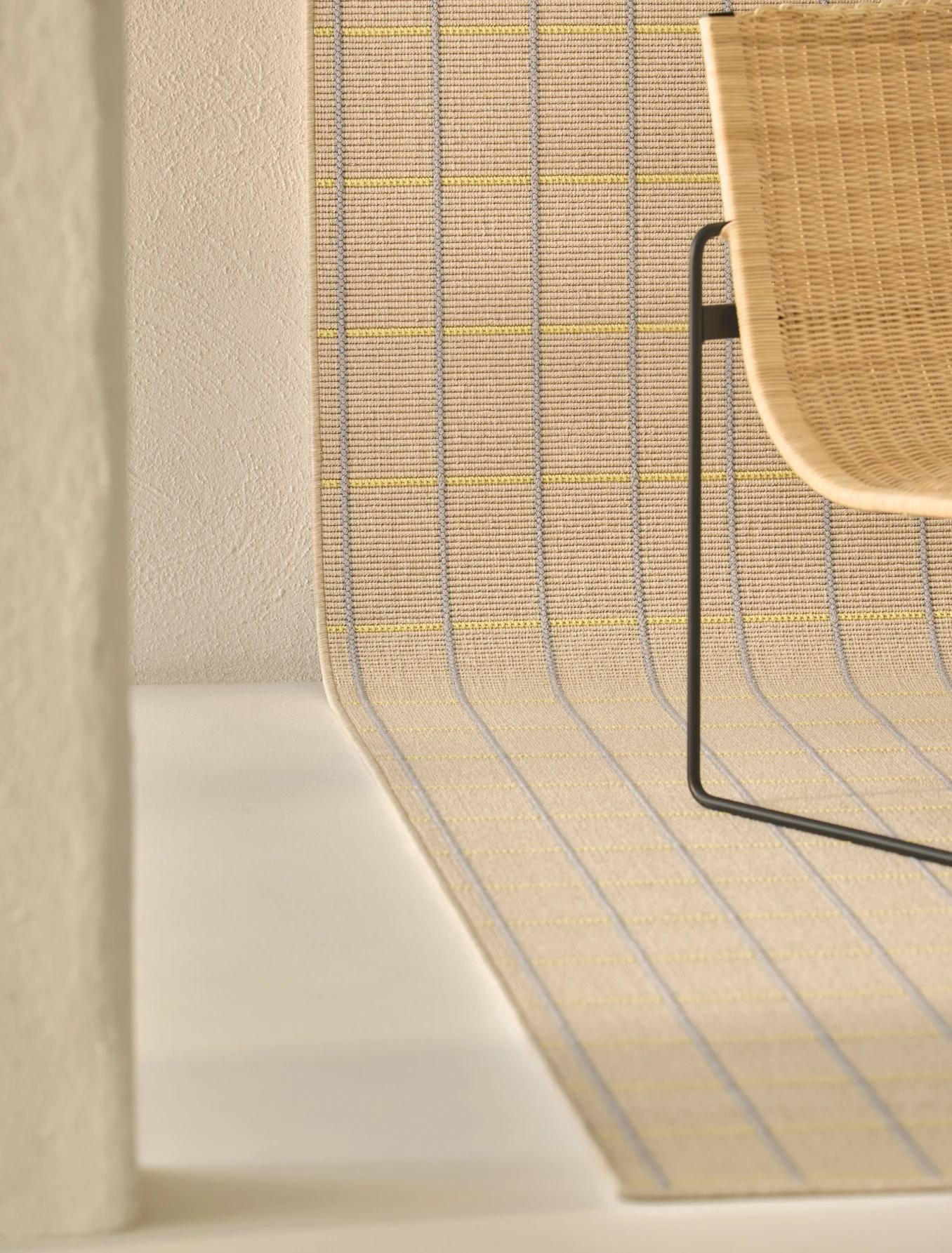
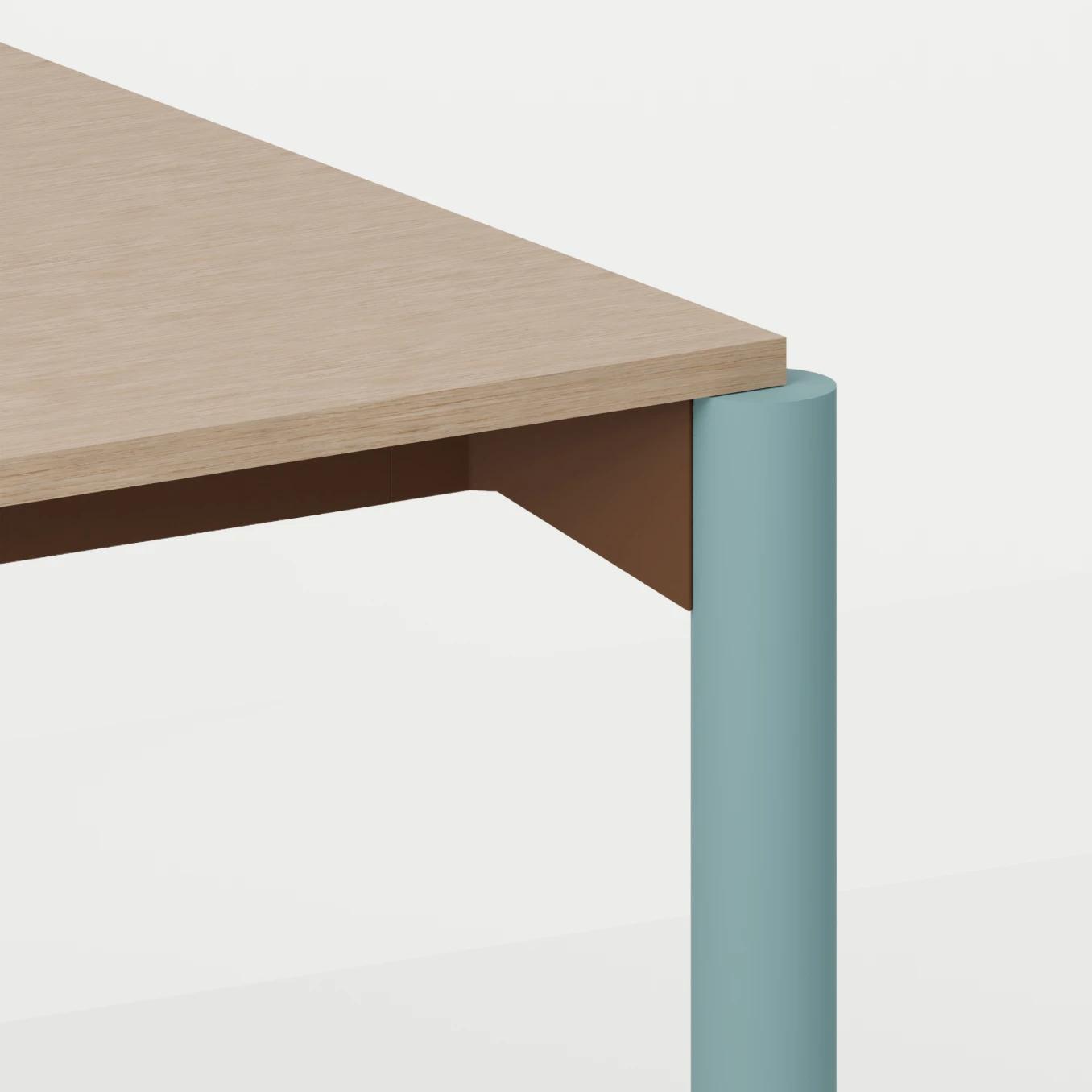
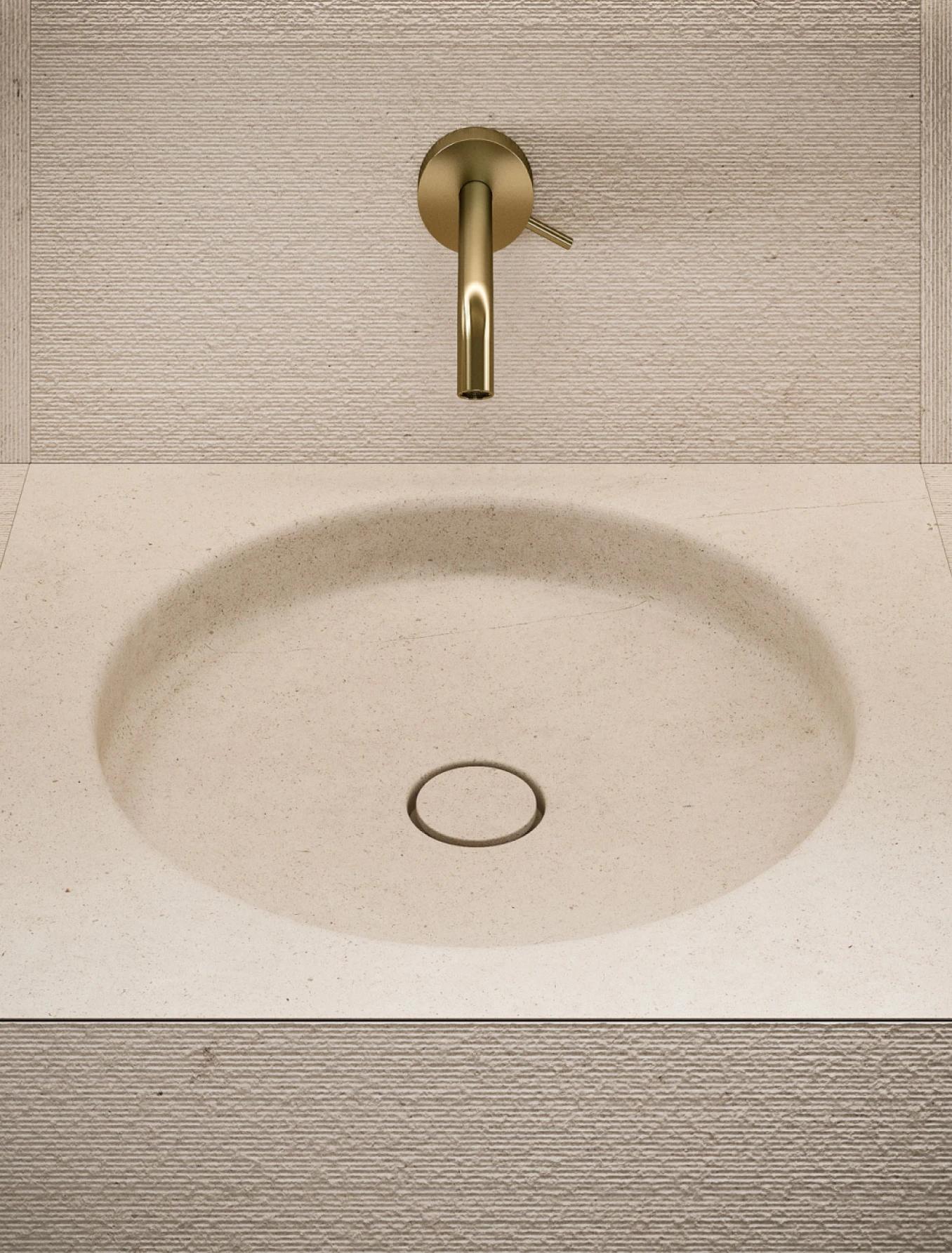
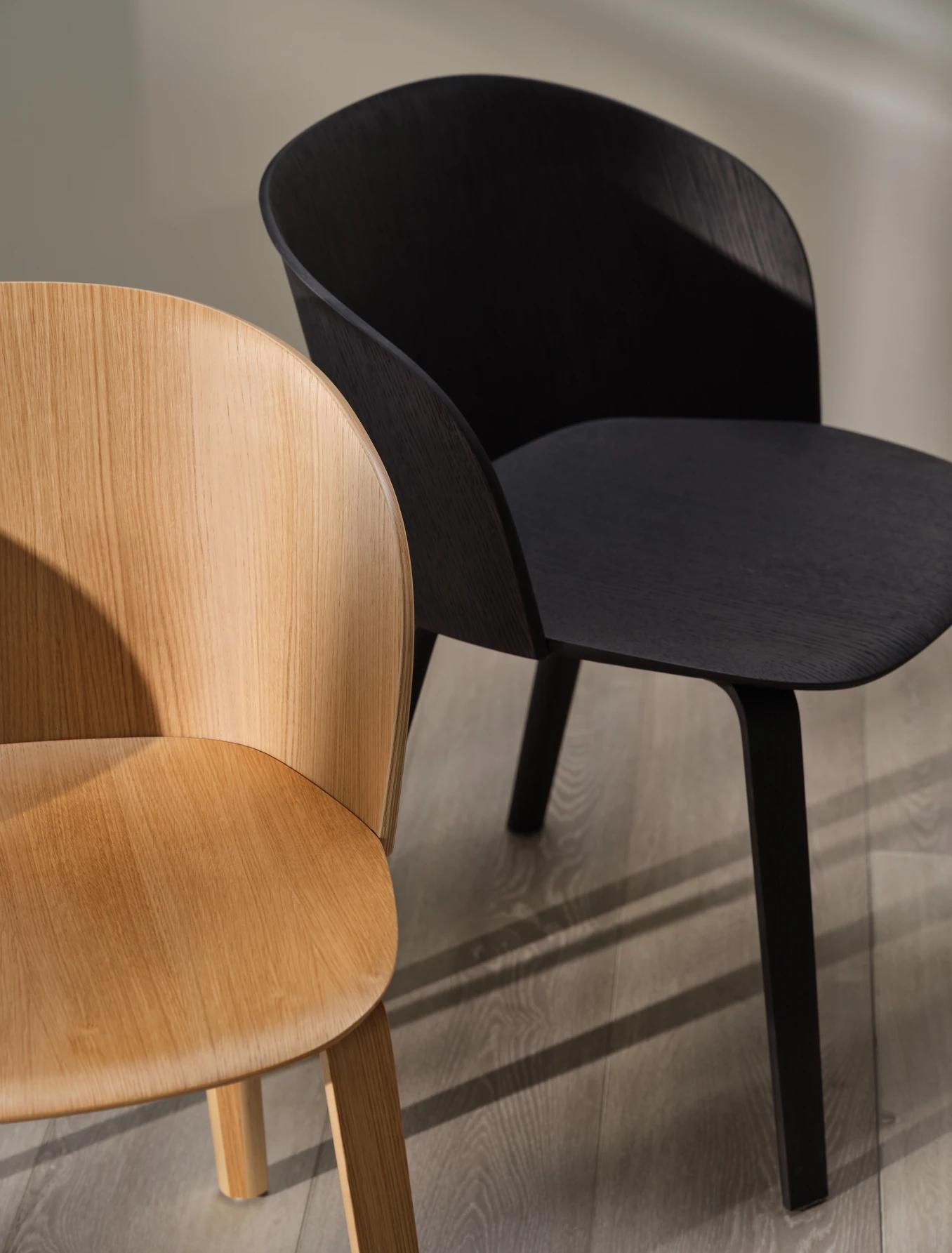
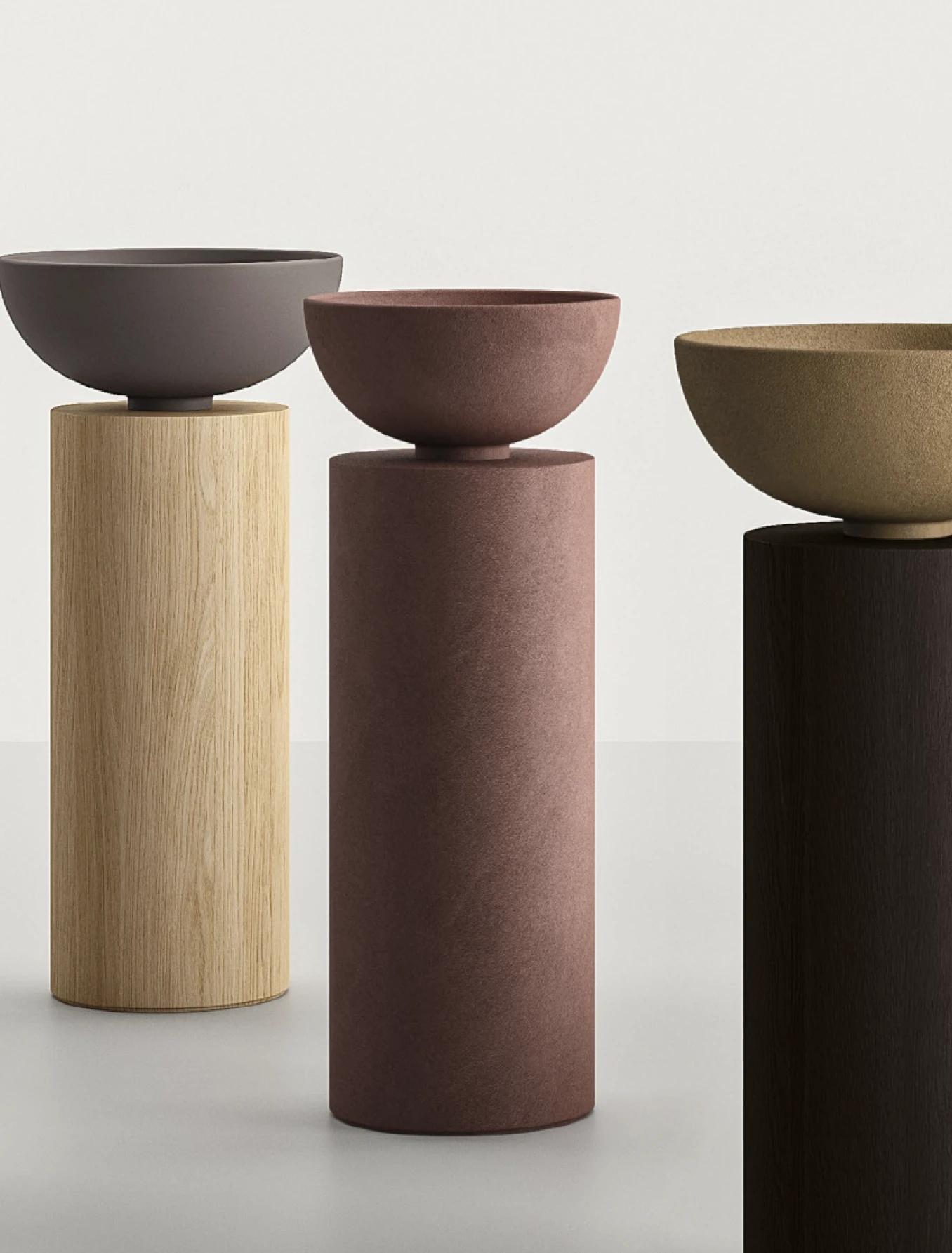
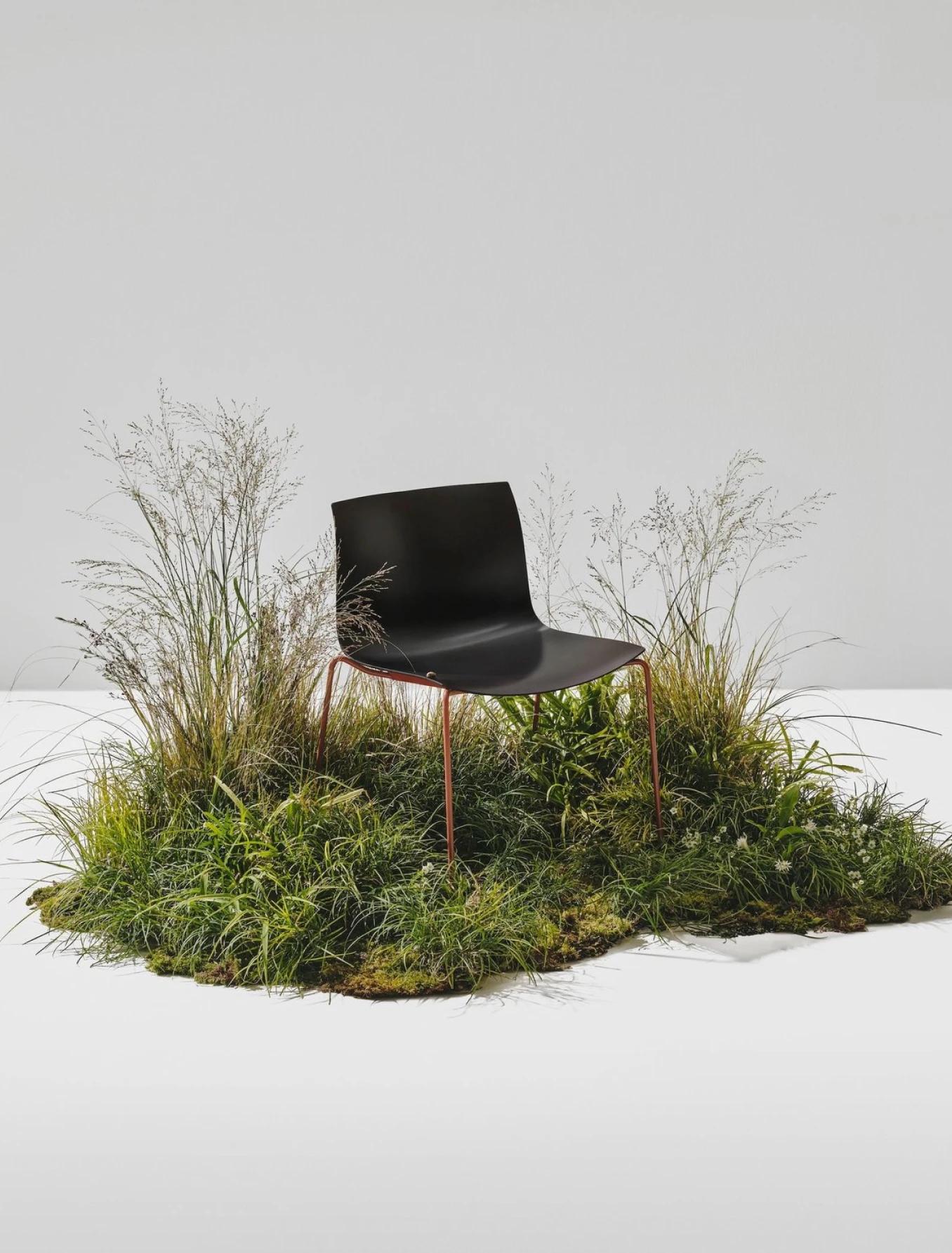
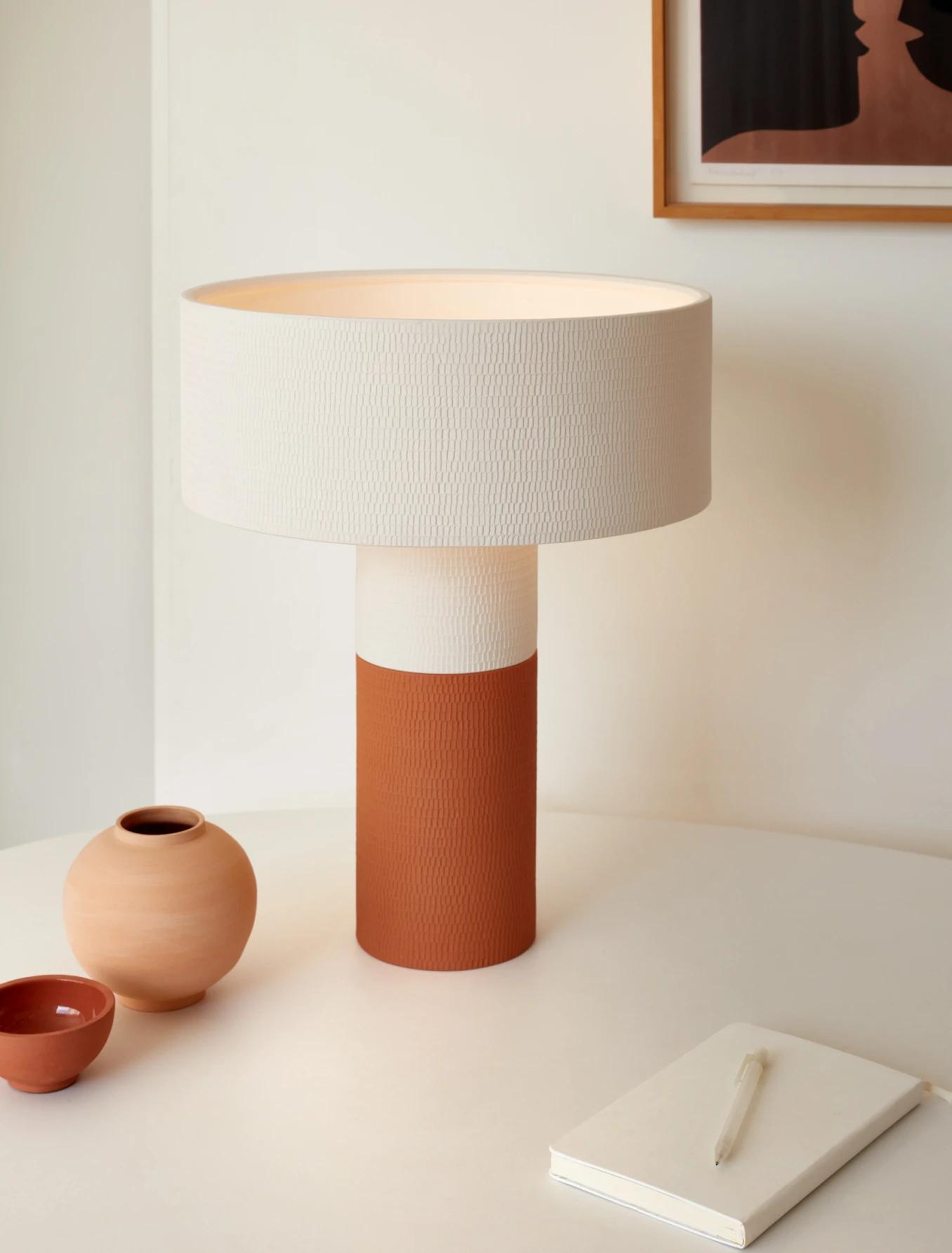
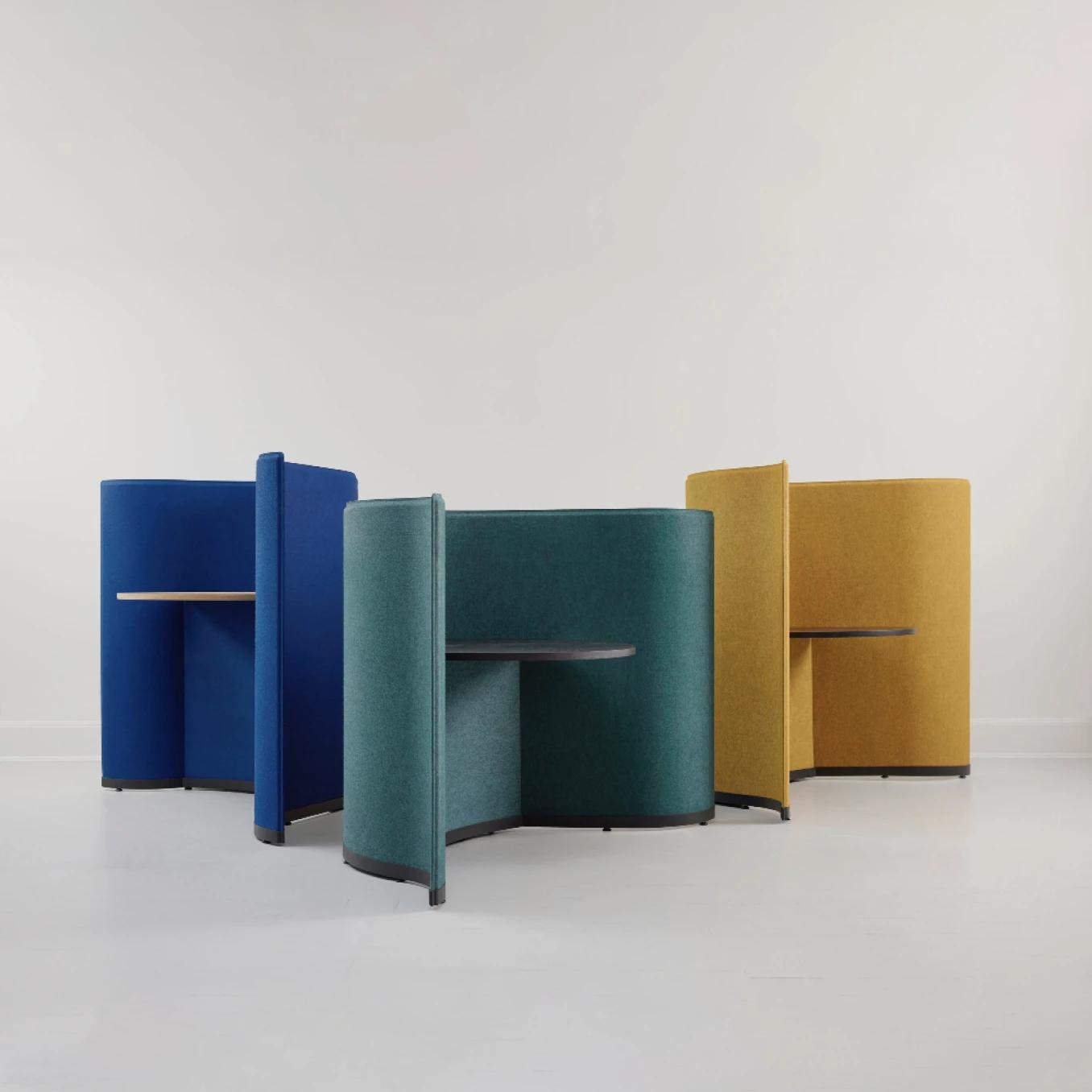
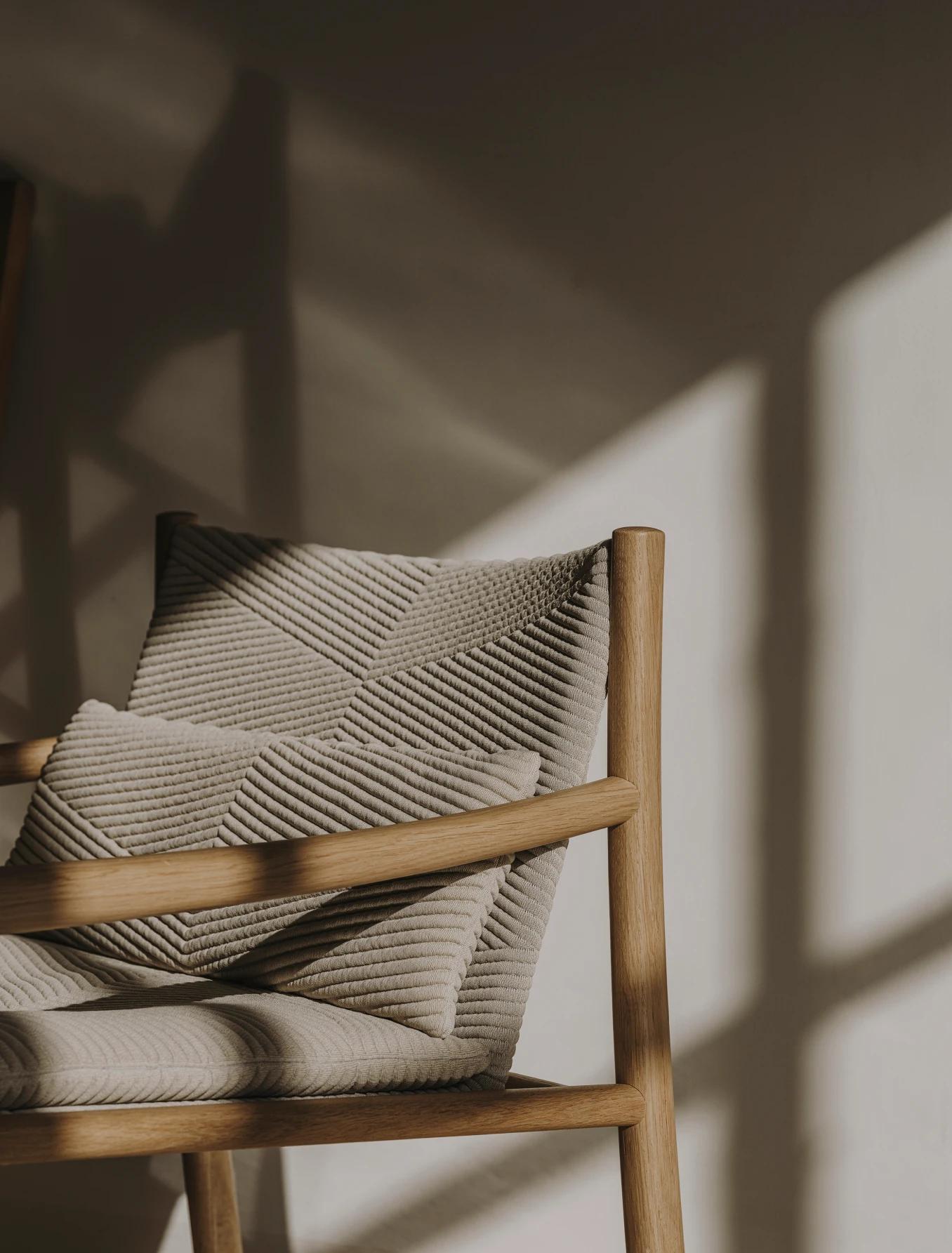
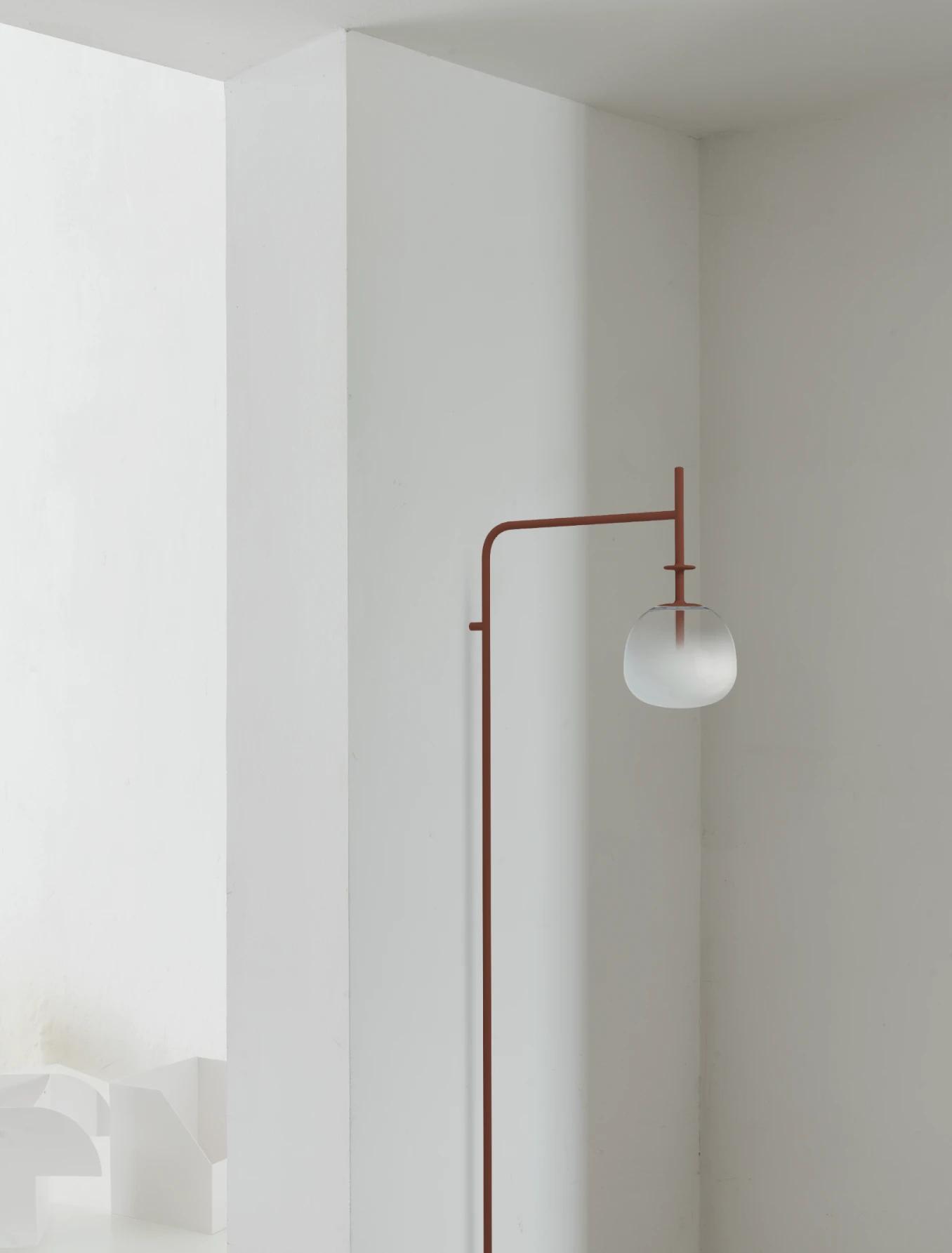
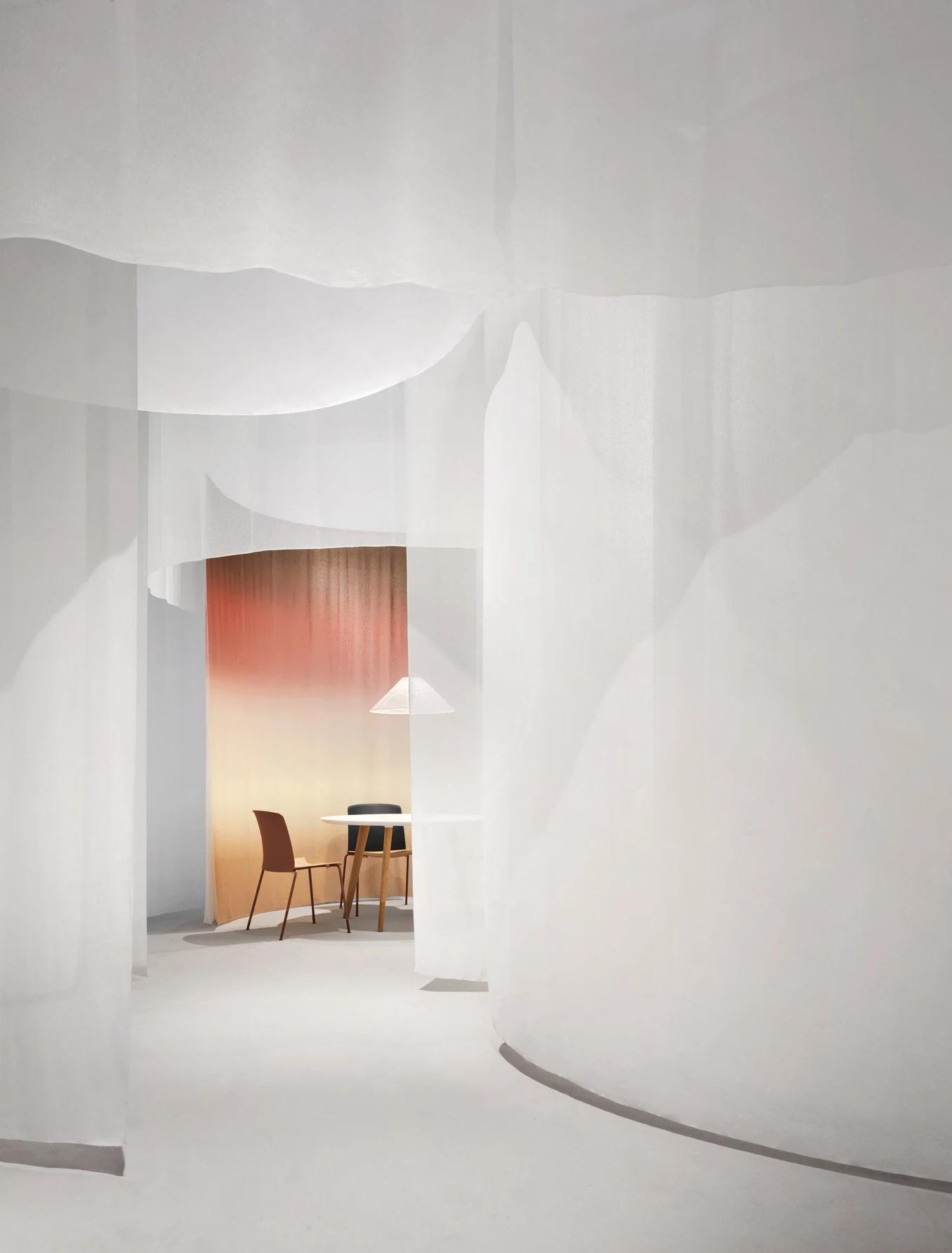
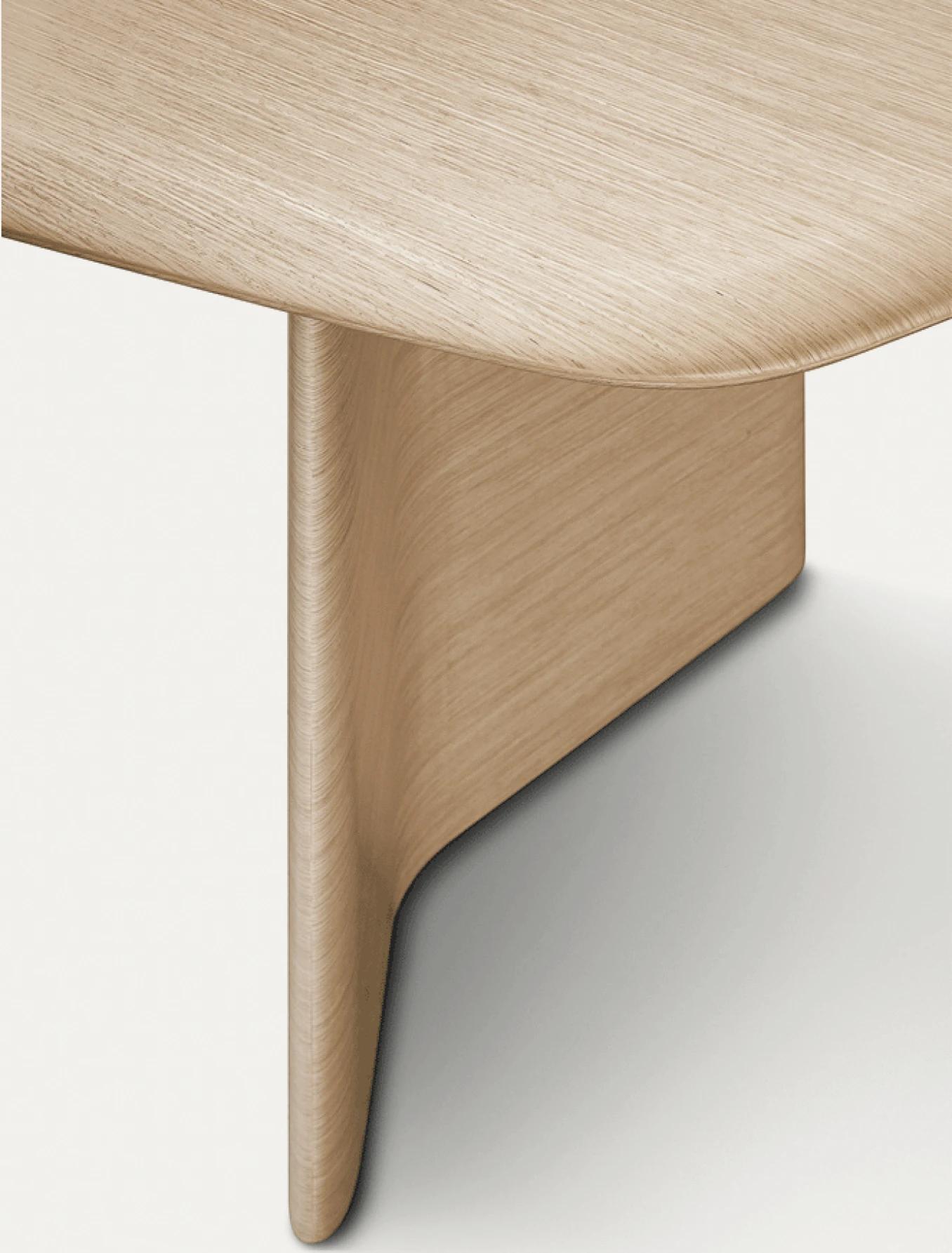
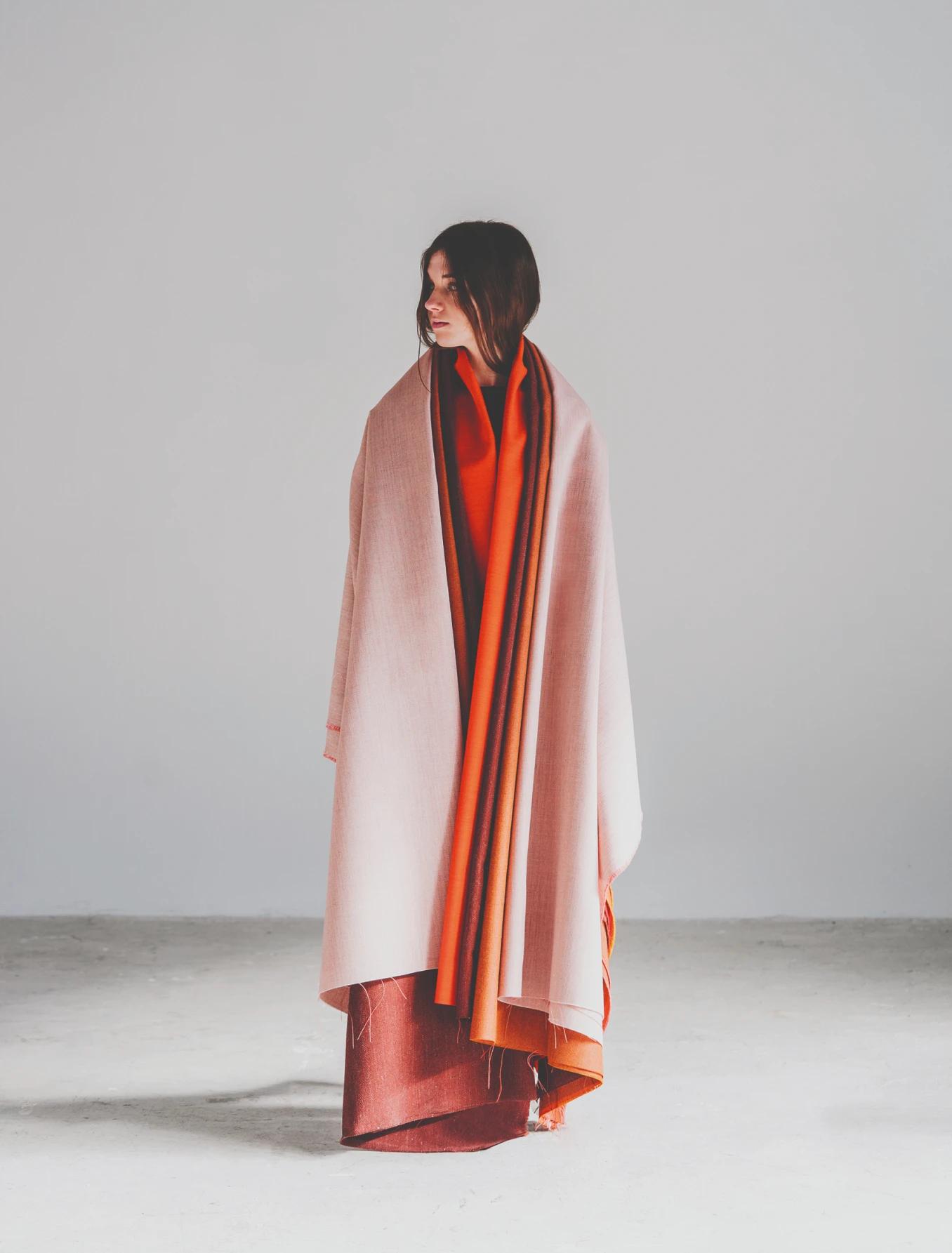
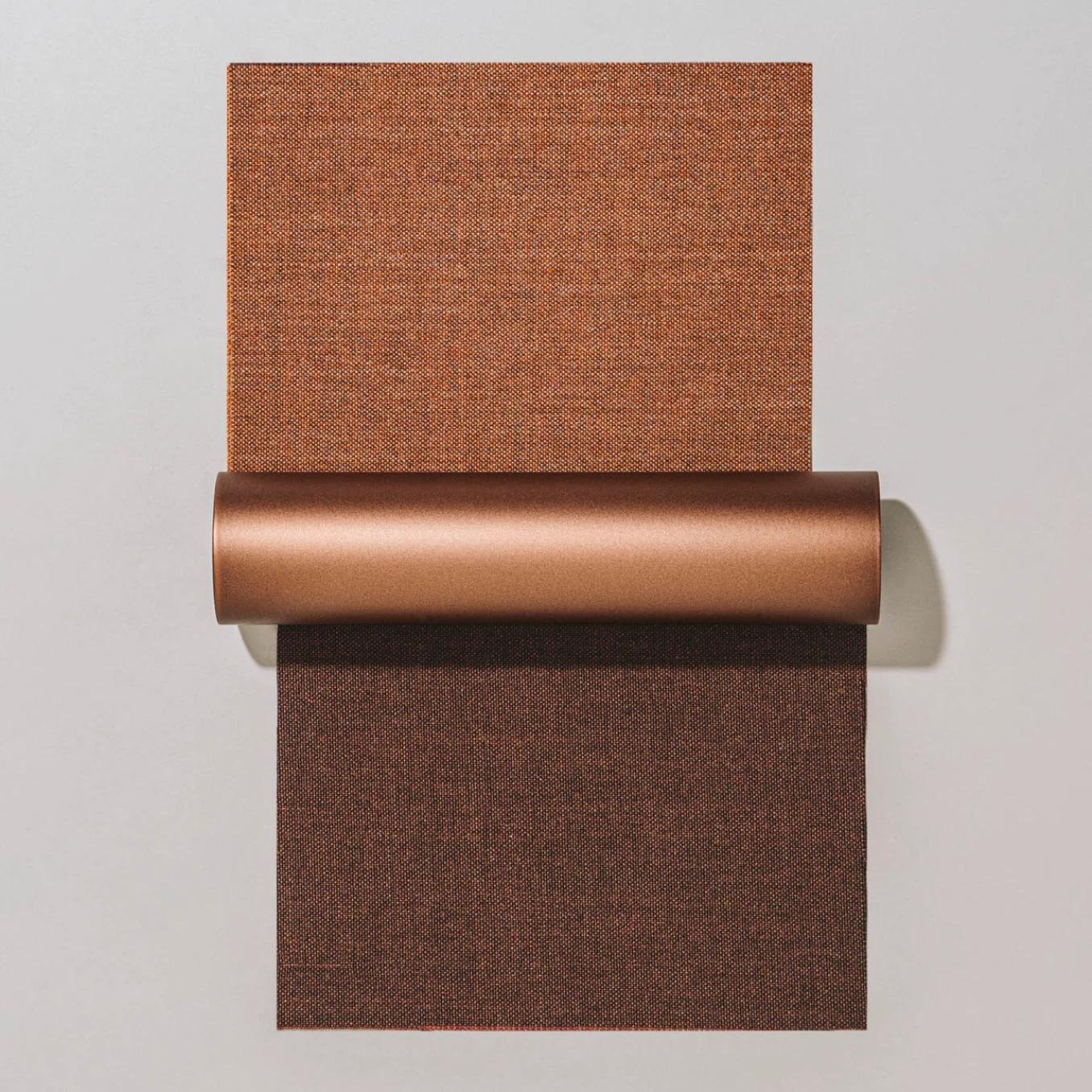
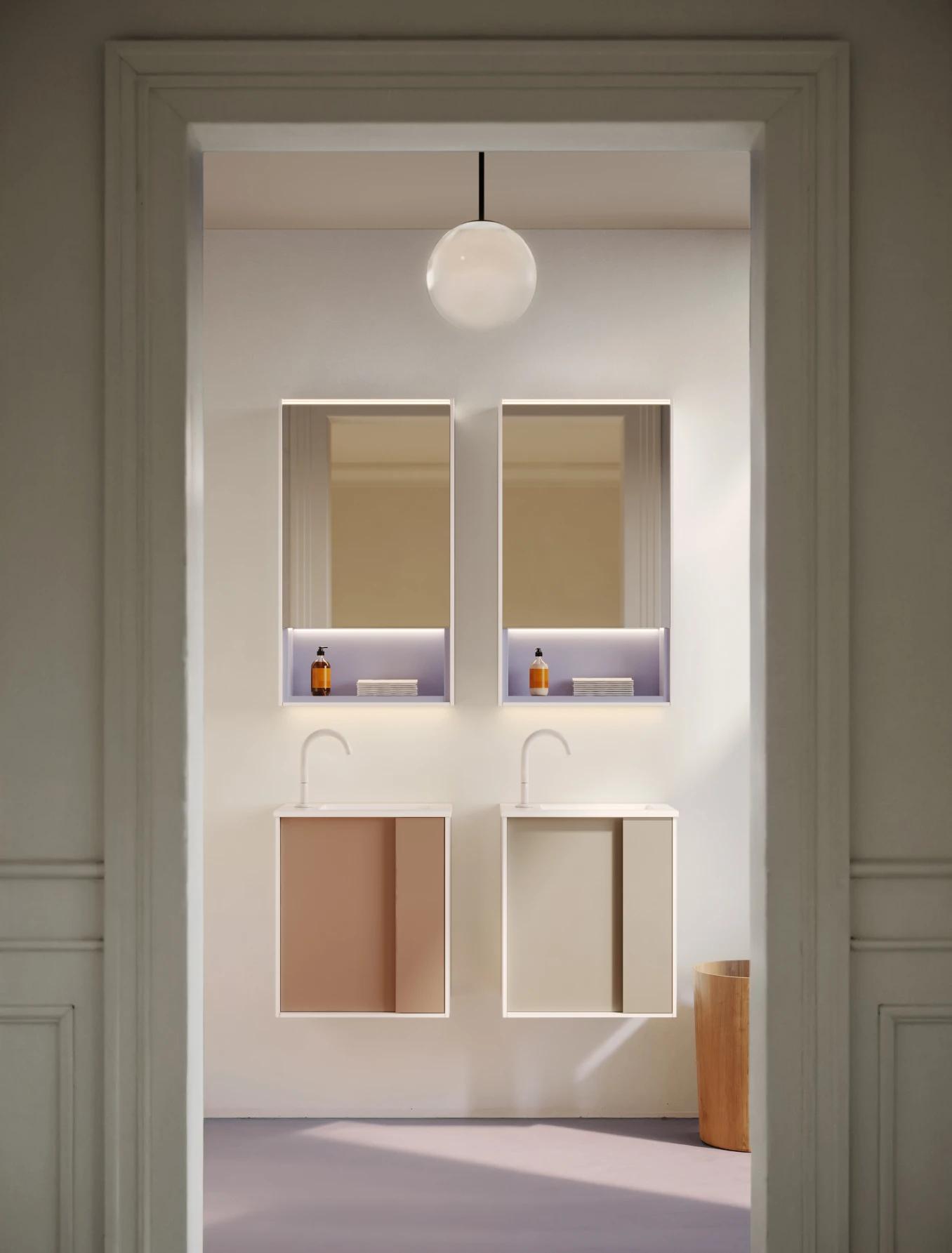
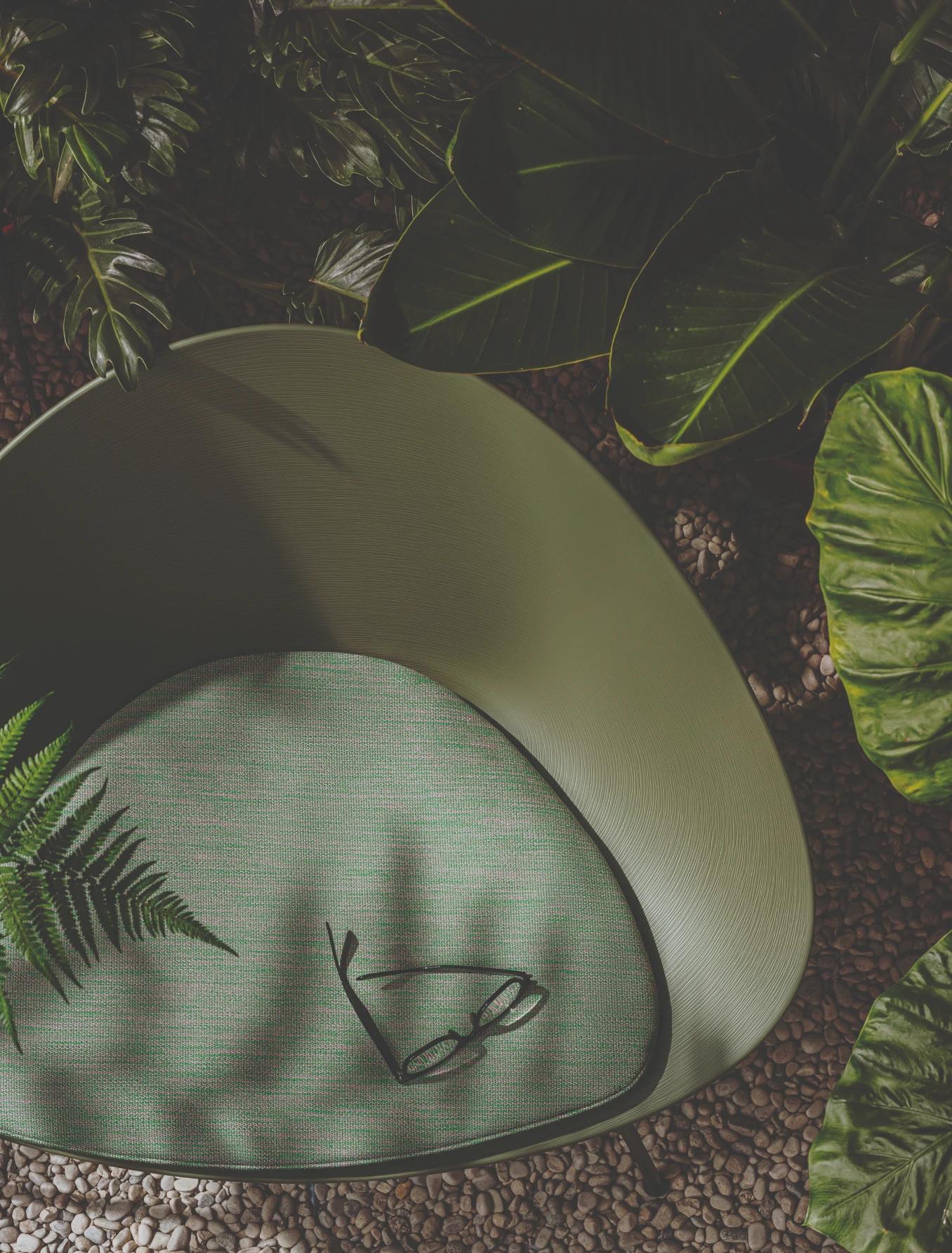
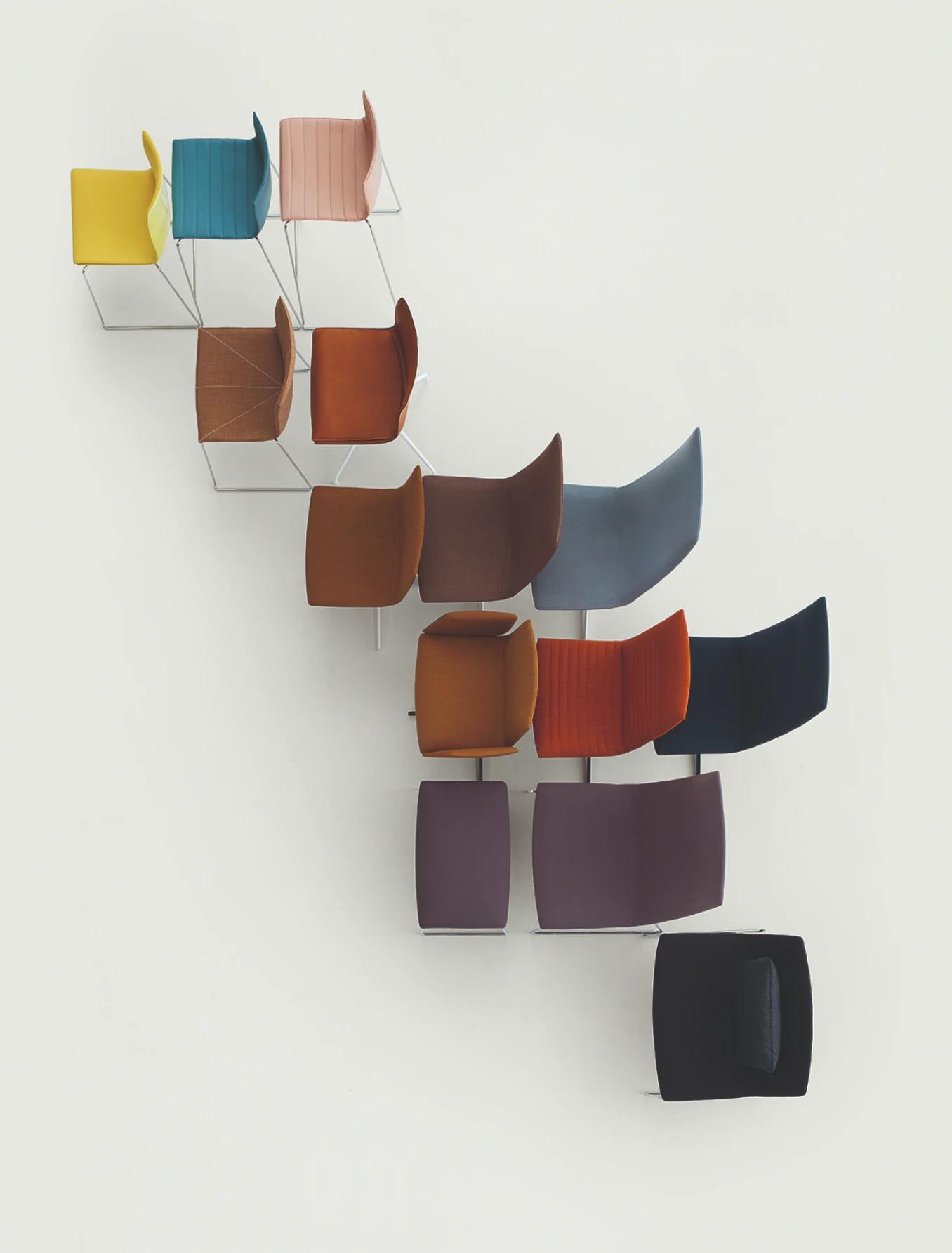
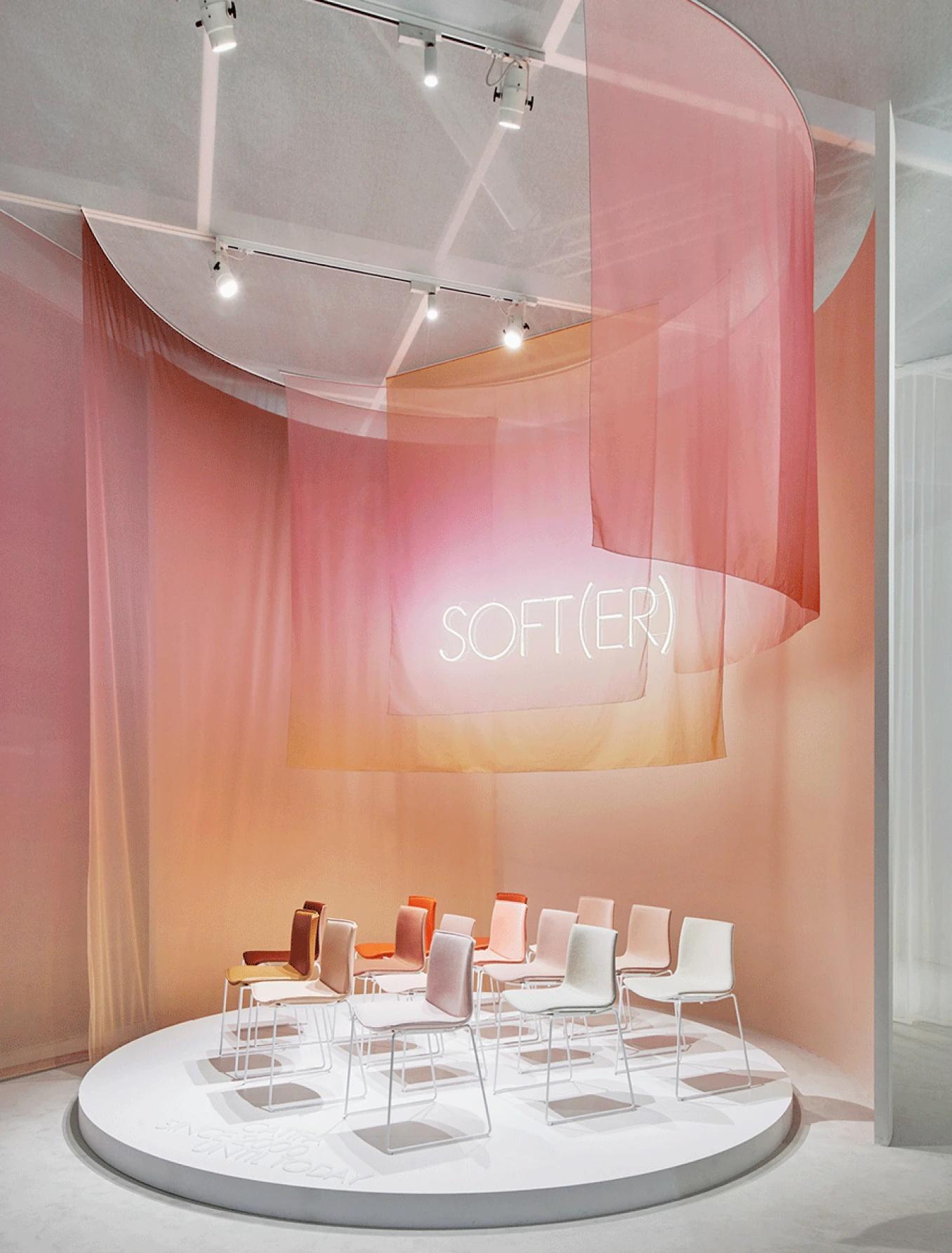
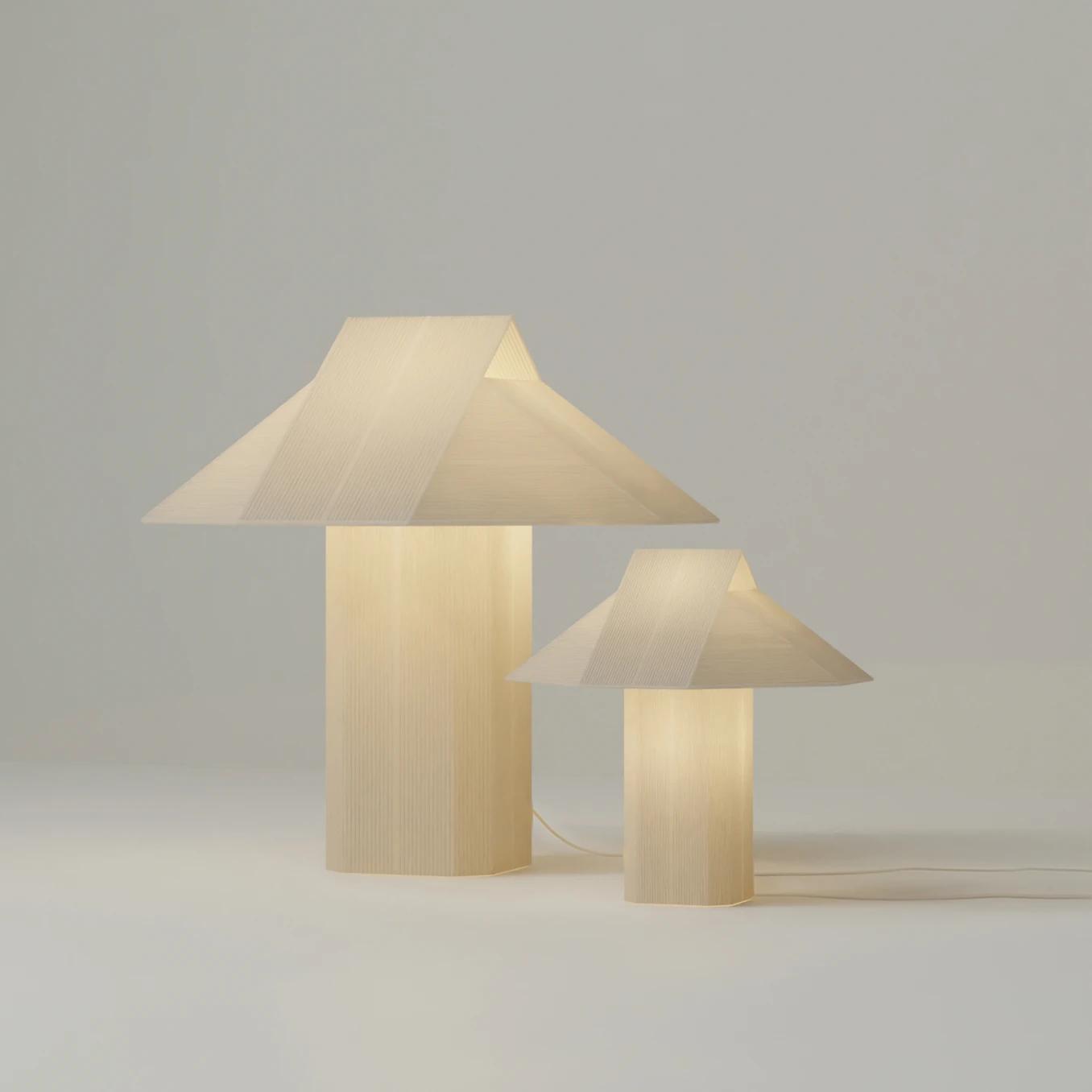

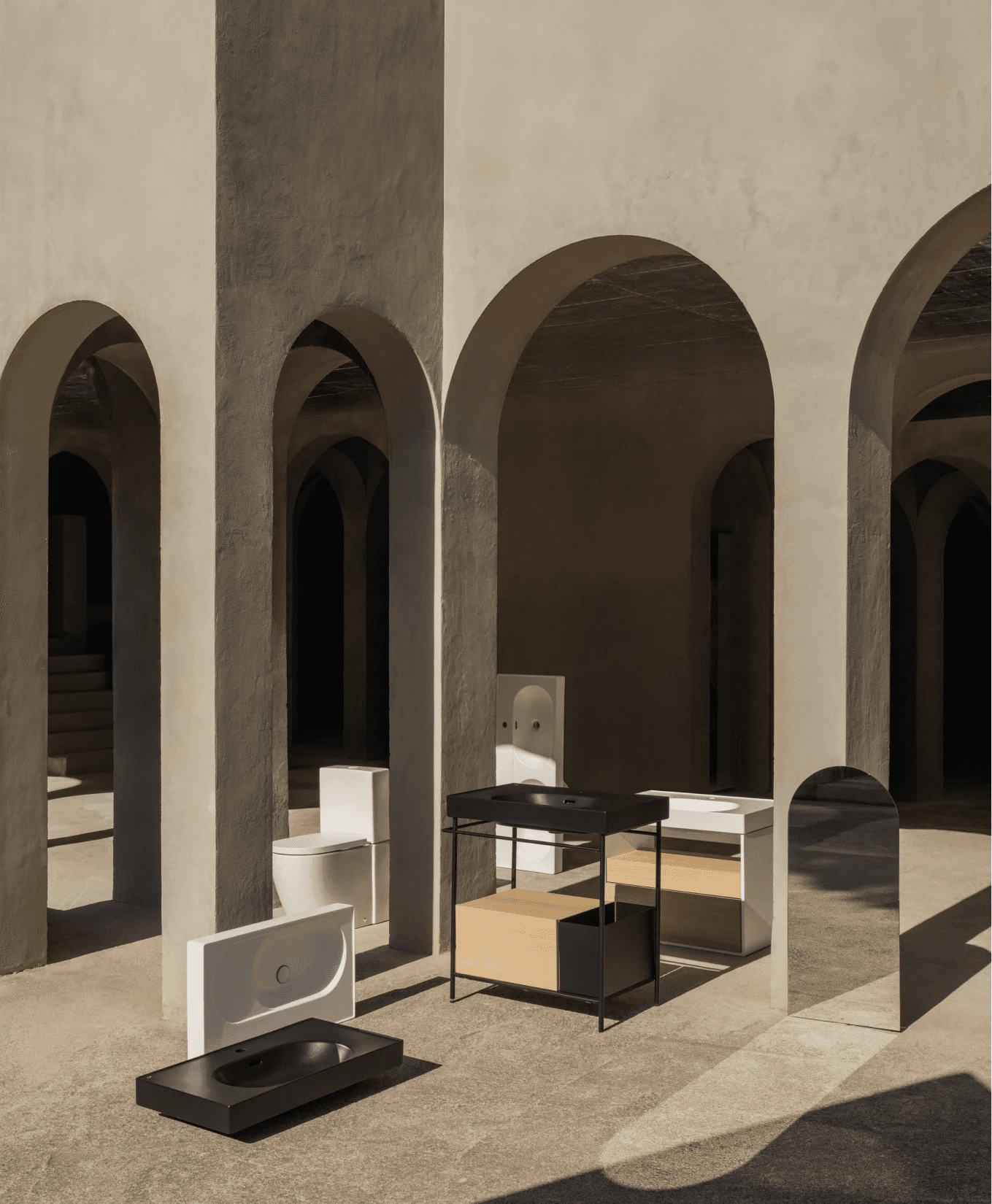


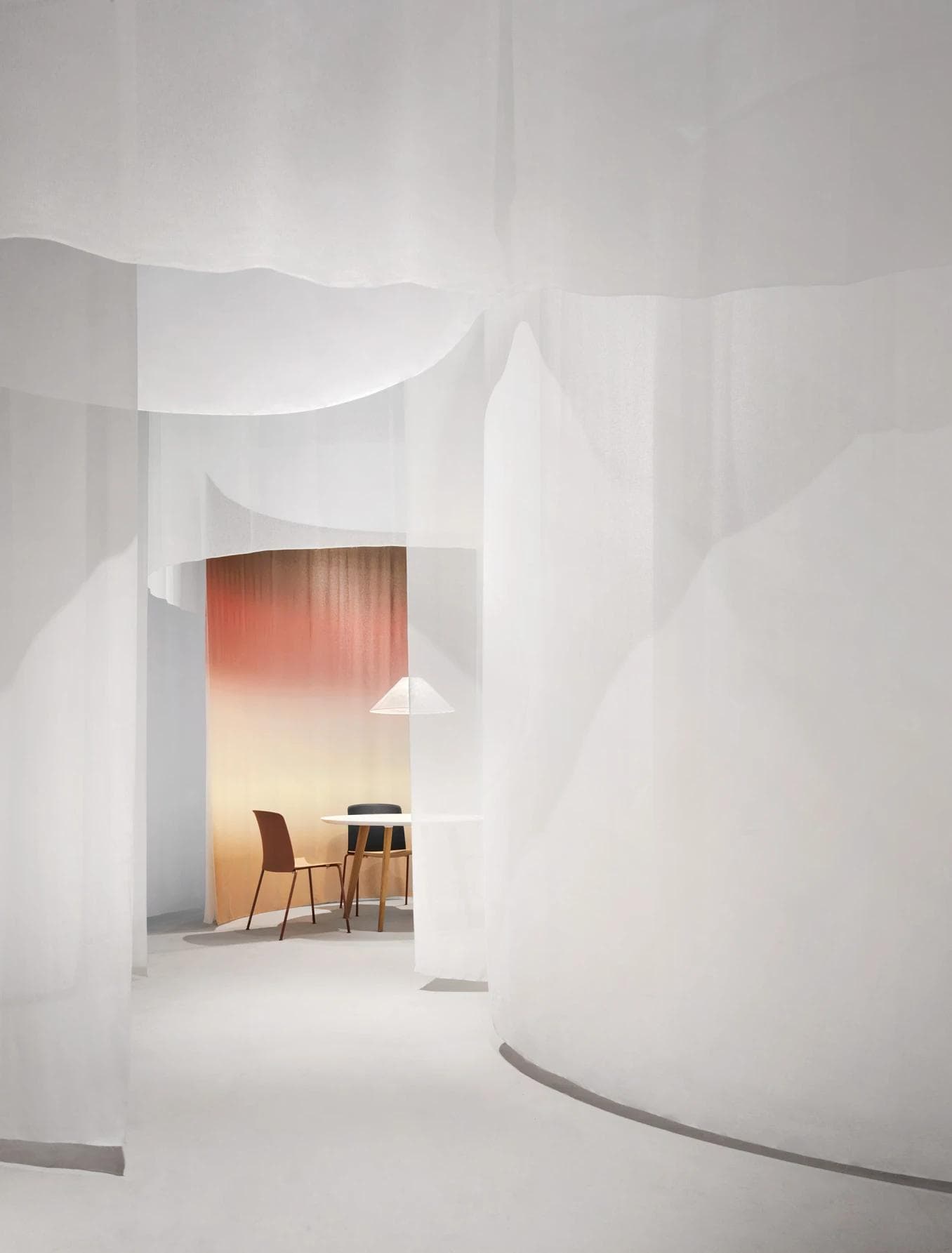
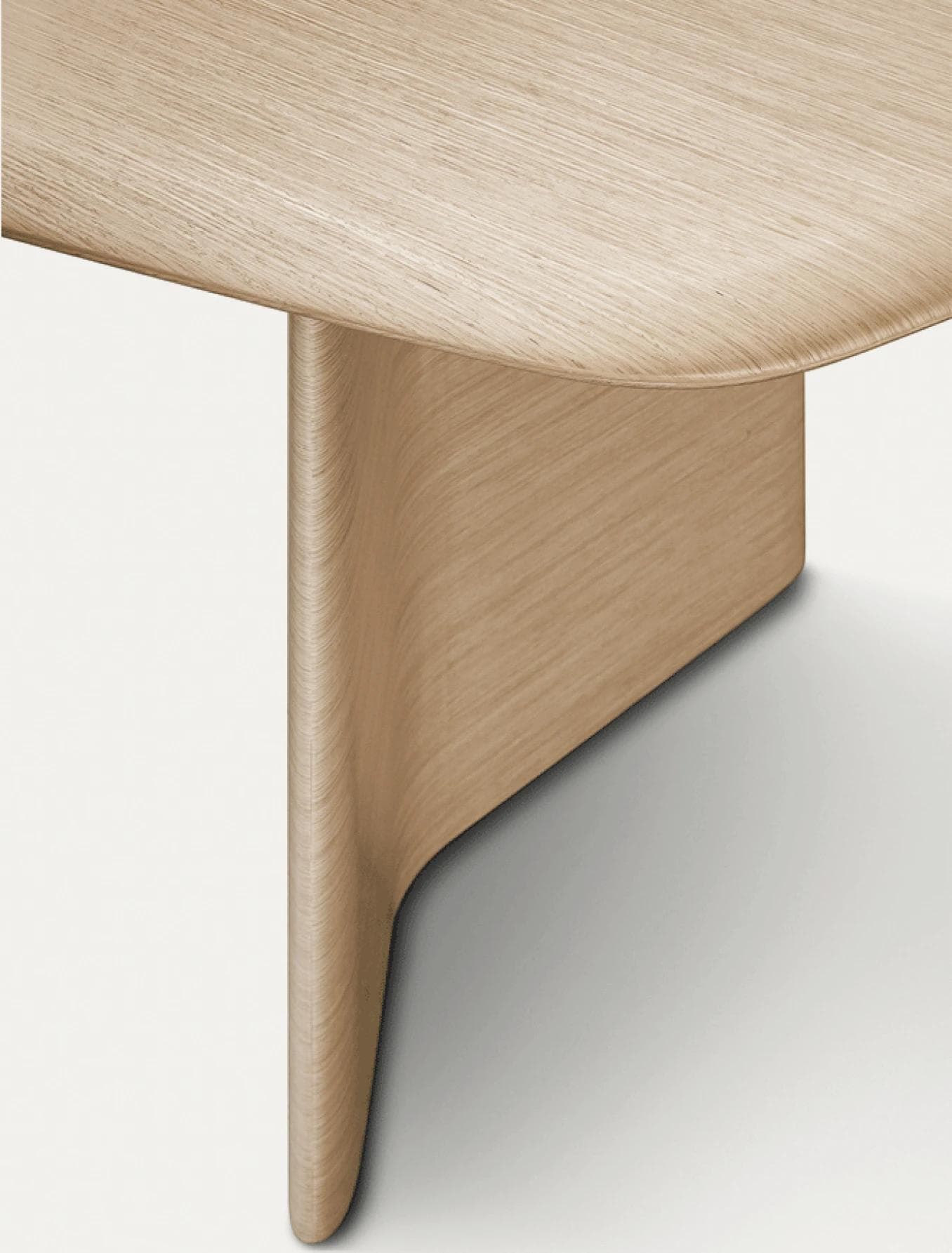


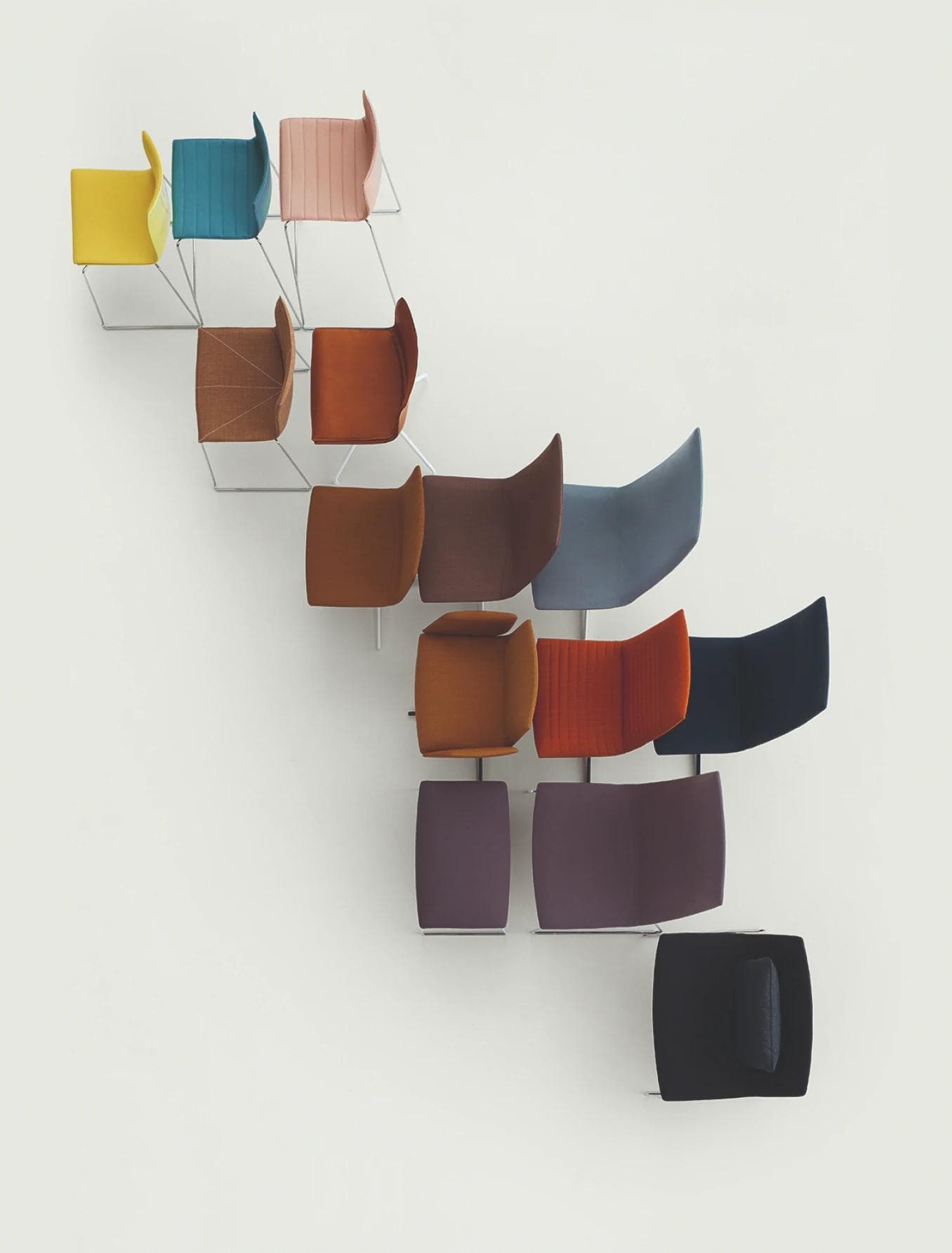

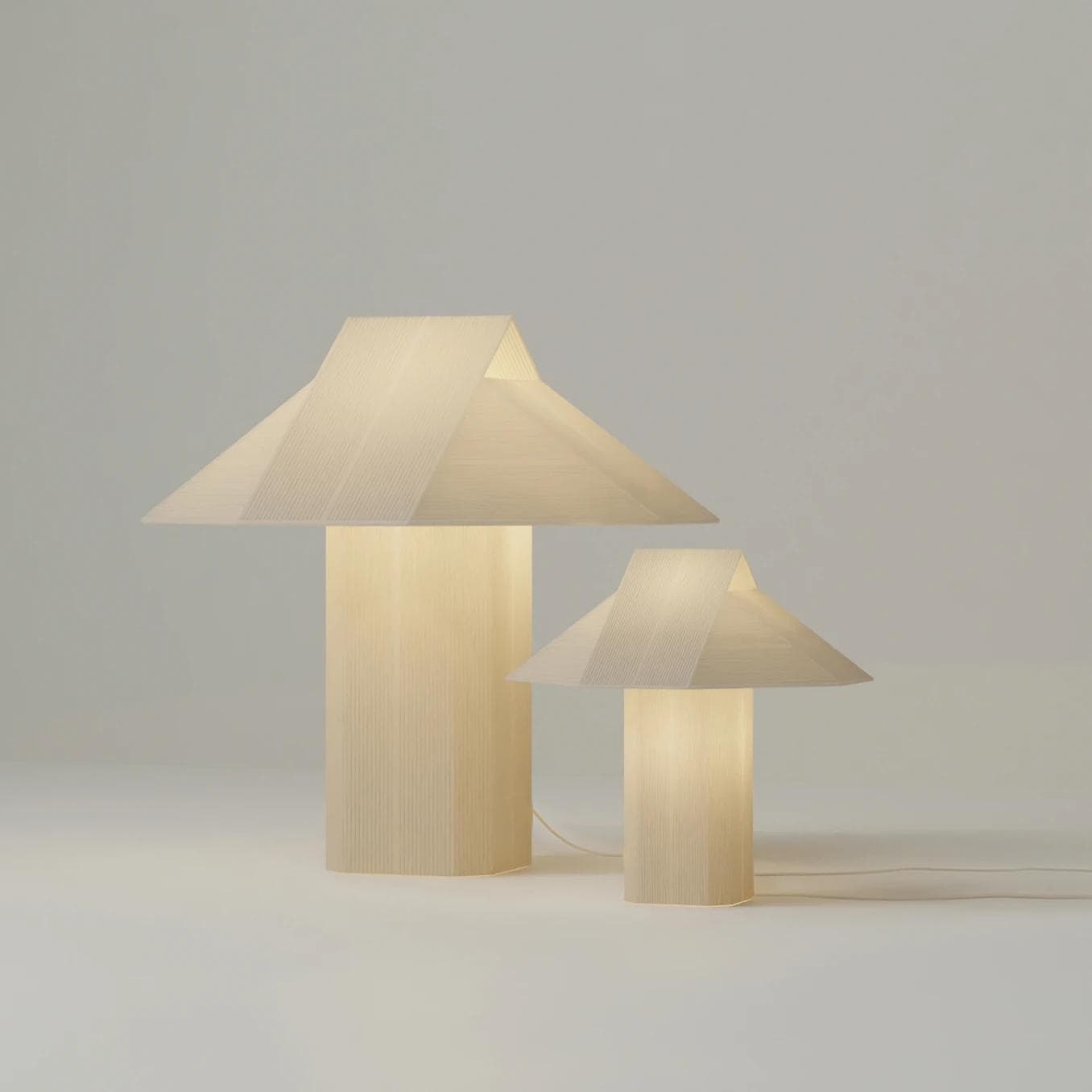
SELECTED WORK
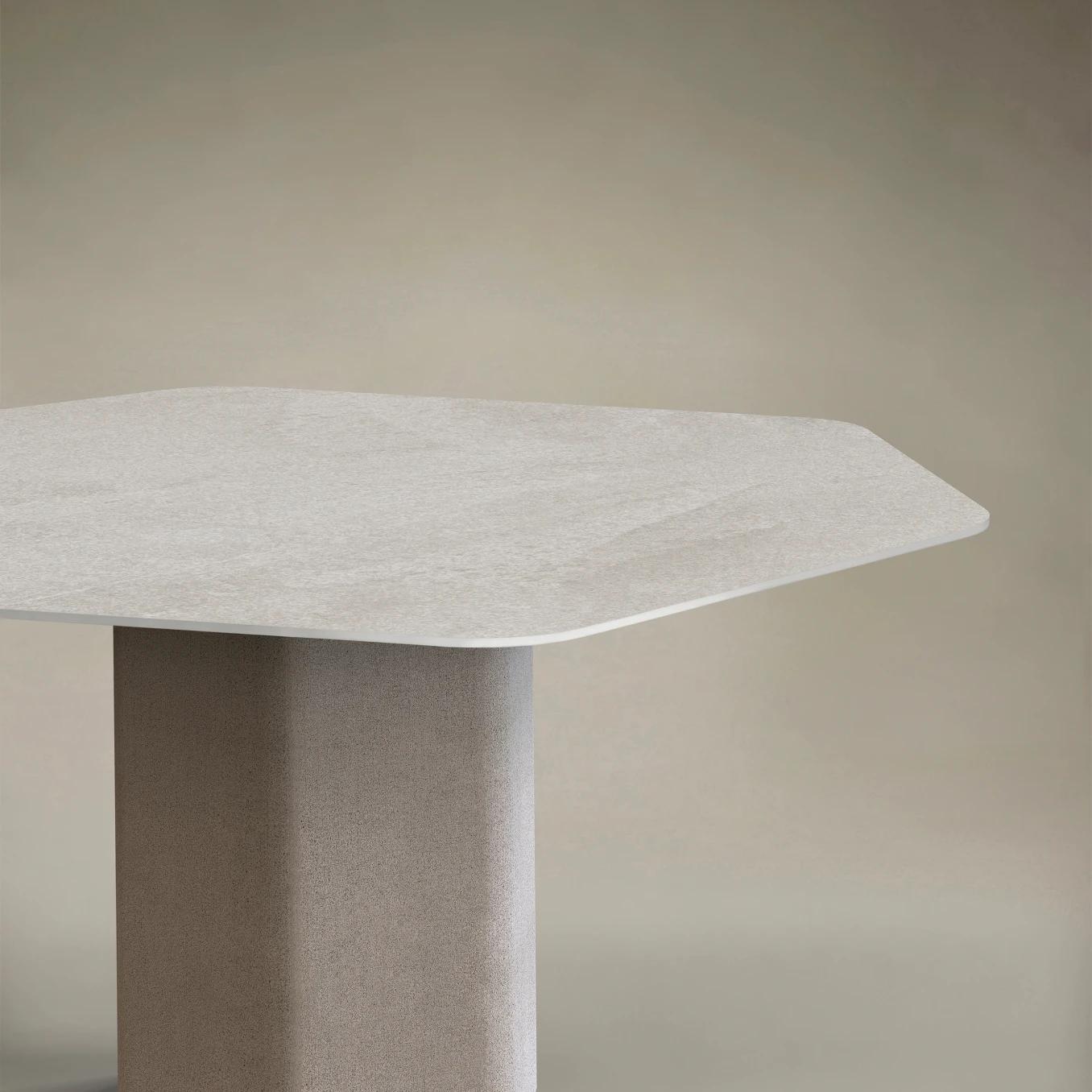
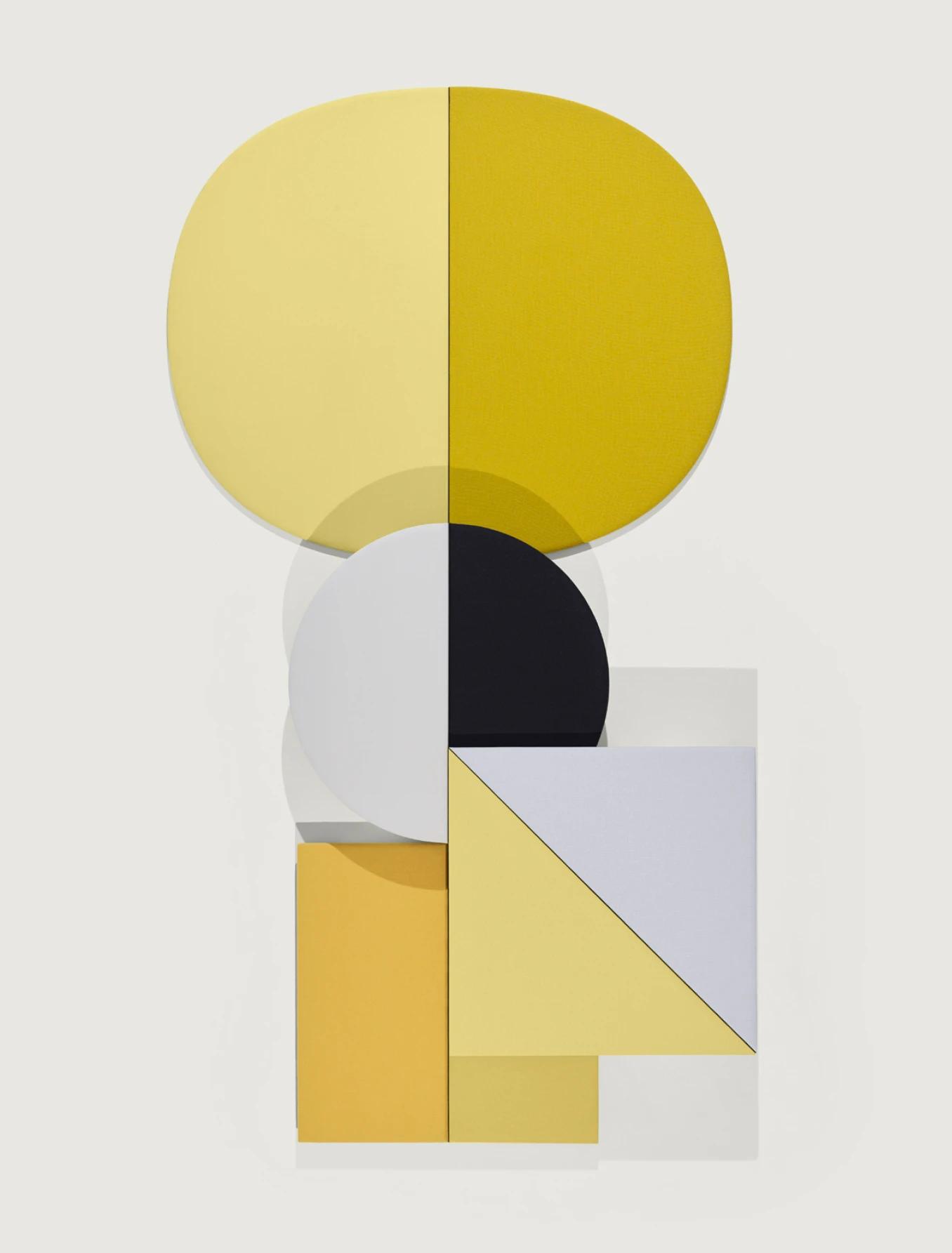
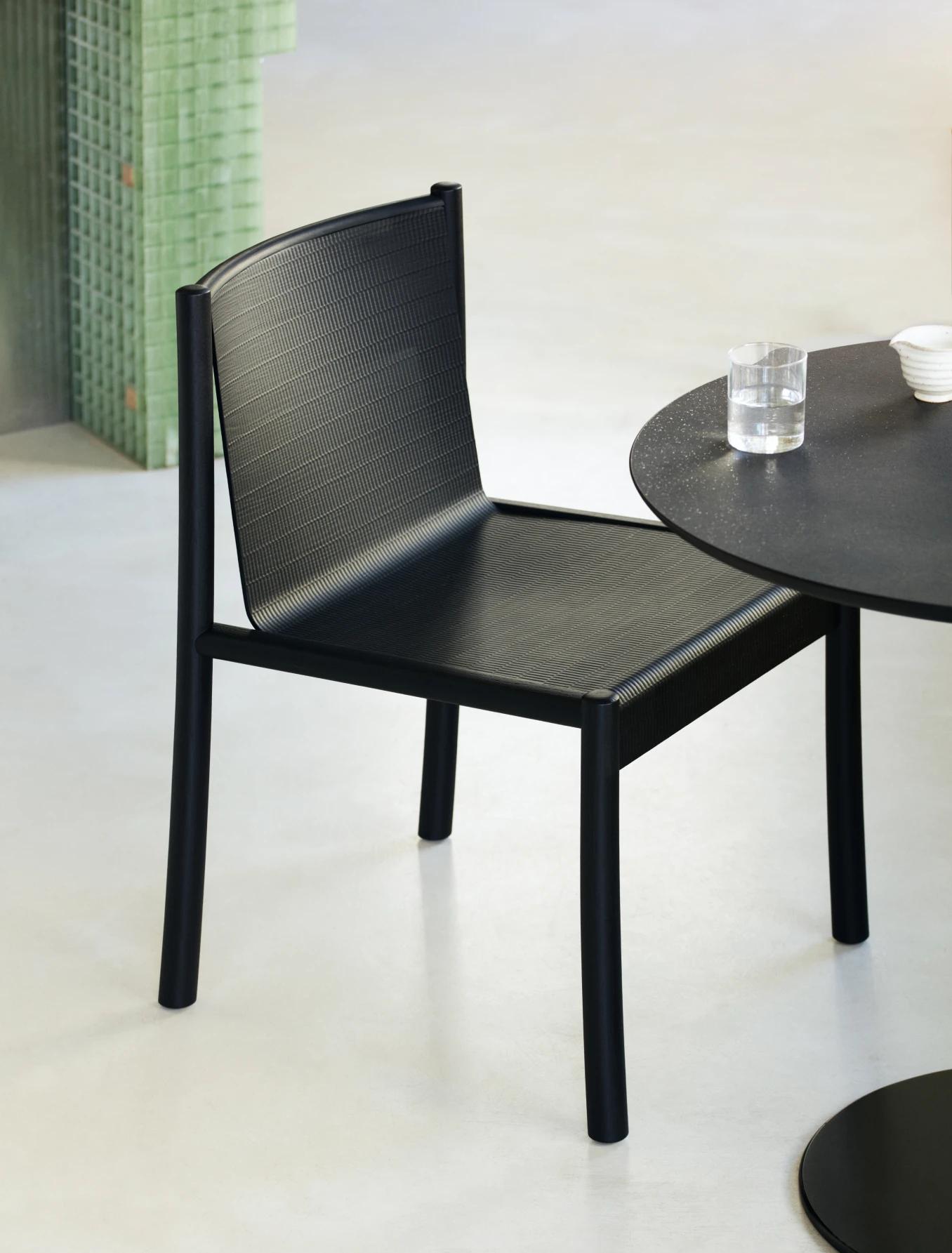
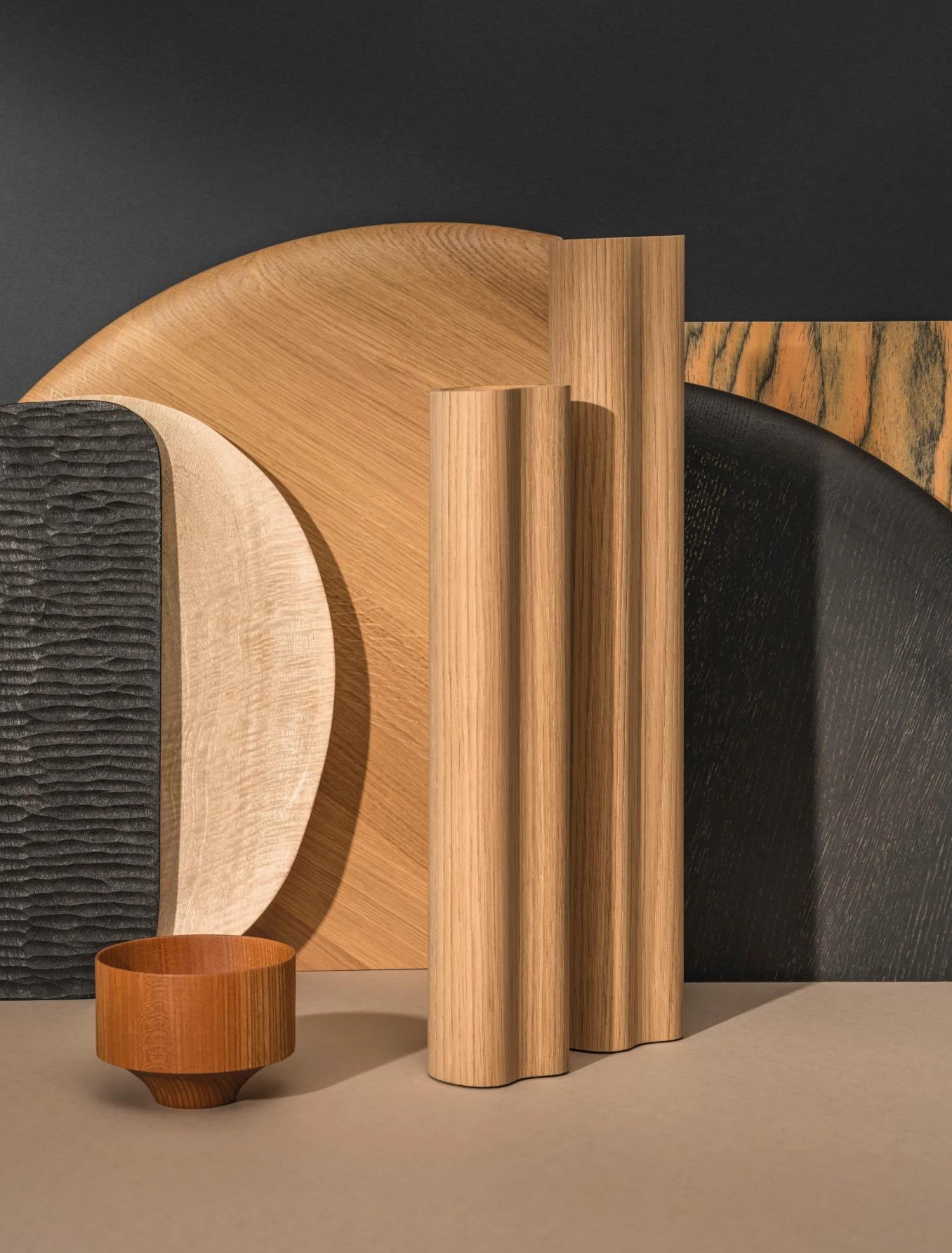
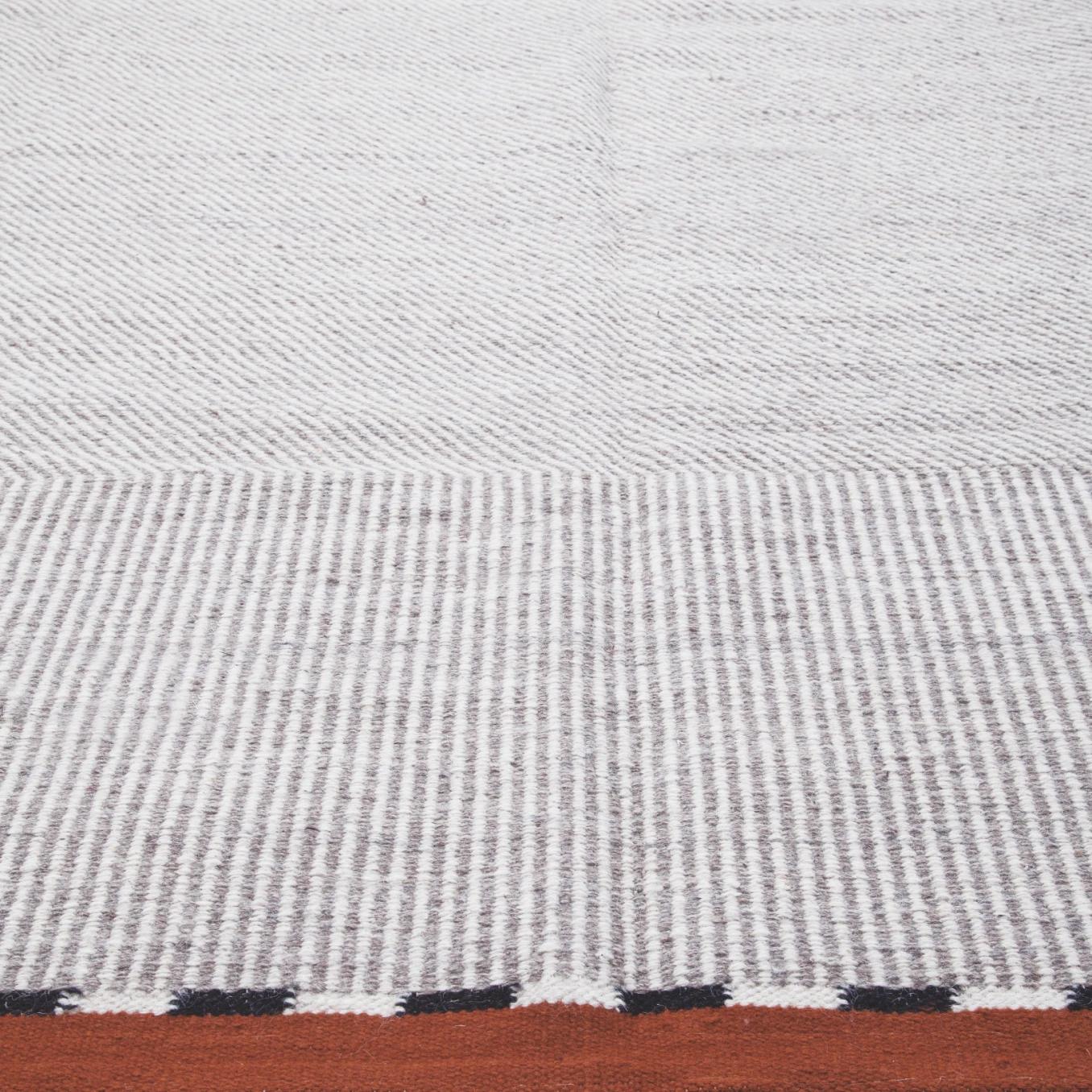
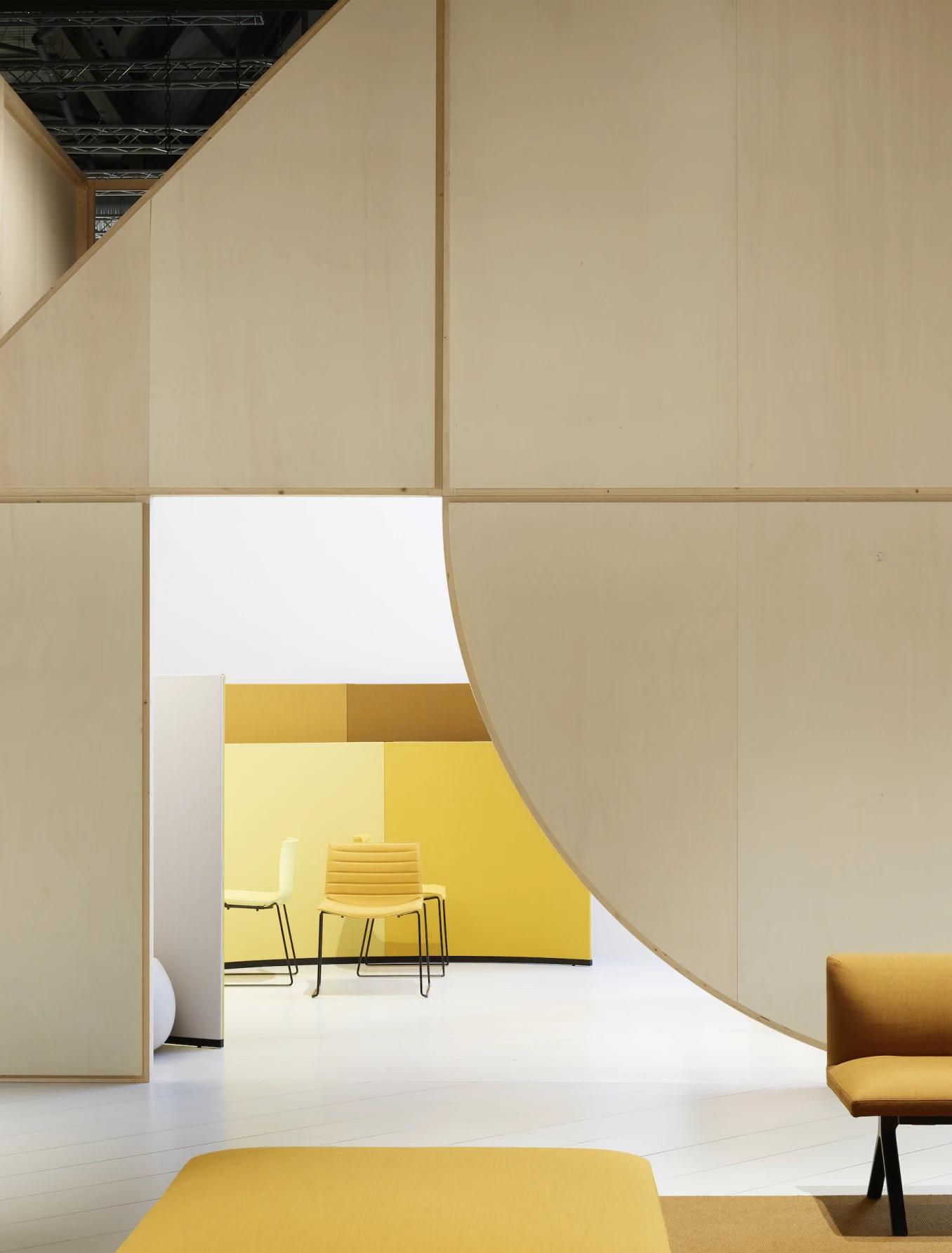
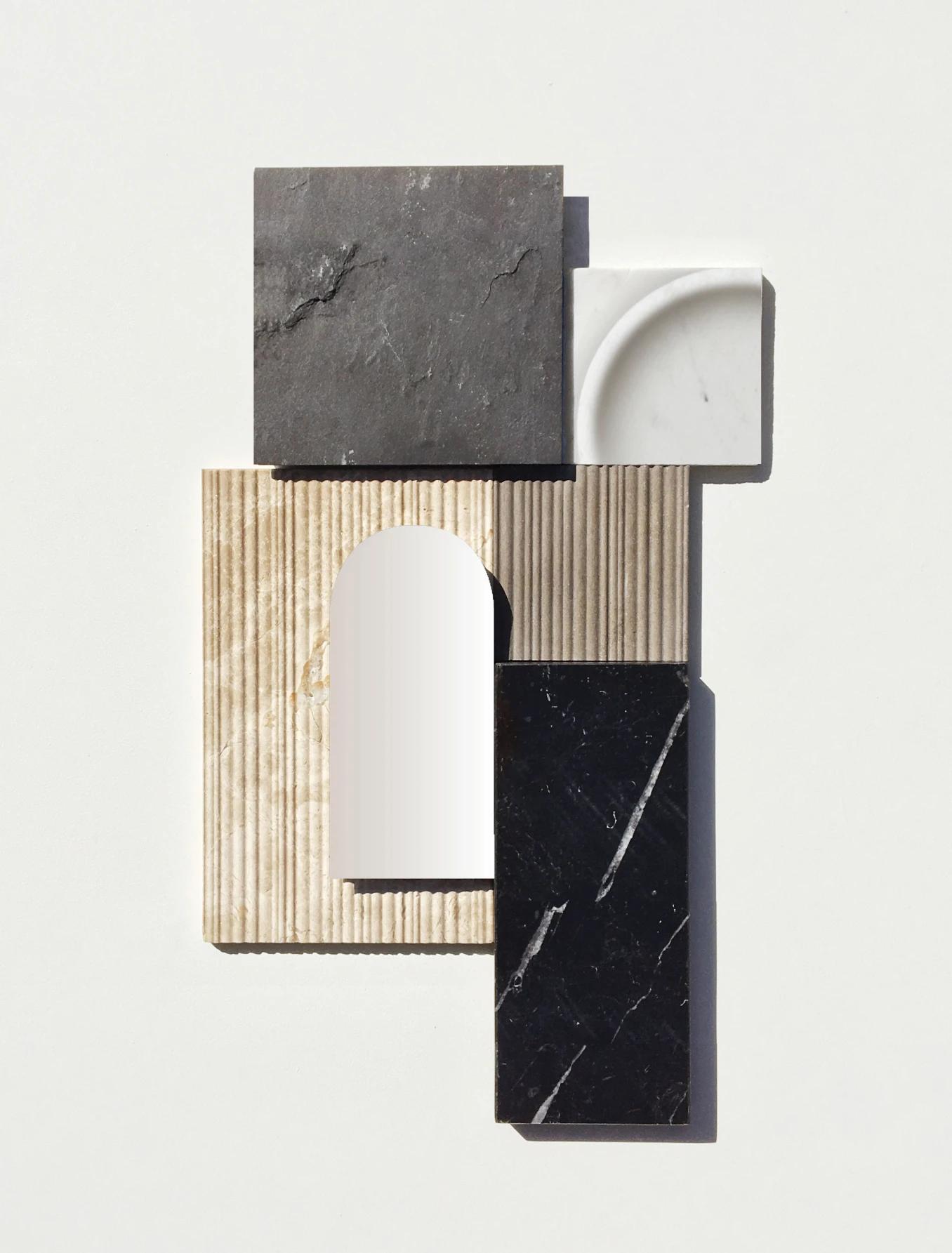
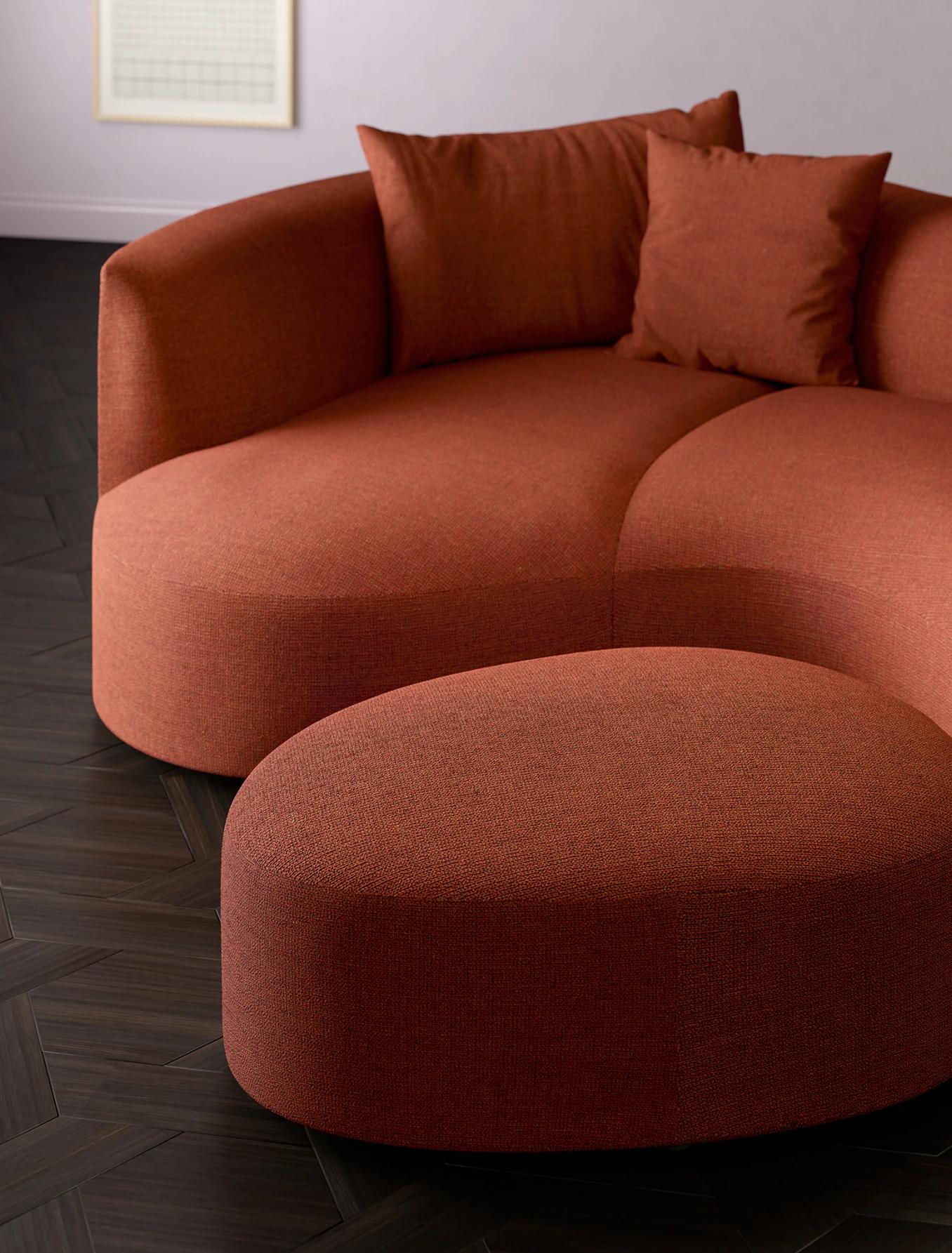
This selection brings together projects that are representative of the practice of Altherr Désile Park — chosen not for chronology or completeness, but because each one reflects a particular dimension of how the studio thinks and works. Some are included for their formal complexity, others for the depth of the client collaboration, the material and colour research behind them, the ideas and the inspiration that led to the final project, or the way product design and communication were developed as a single integrated concept. Each project, in its own way, offers a window into the studio's process: the questions asked at the beginning, the decisions made along the way, and the values that remain consistent throughout.
The projects span furniture, lighting, bathroom design, textiles, rugs and spatial installations, developed for internationally recognised design companies including Amini, Arper, Bernhardt Design, Burgbad, Cor, Dieffebi, Expormim, Leland, MD House, Noorth, Pianca, Poltrona Frau, Prostoria, Roca and Vibia, among others.
They range from single objects to full collections, from residential to contract and hospitality contexts, and from product development alone to projects where Altherr Désile Park also led the creative direction, art direction and visual communication. This breadth is not incidental — it reflects the studio's conviction that design thinking is transferable across scales and disciplines, and that the same rigour applied to a single object can and should inform the way an entire collection is conceived, staged and communicated.
Taken together, they trace a consistent sensibility — an approach rooted in material and colour research, sustainability, cultural context and a deep care for detail — while demonstrating the range of scales, disciplines and industries in which the studio operates. Across categories and clients, certain threads recur: a close attention to how things are made and what they are made from, an interest in cultural reference as a starting point rather than a stylistic shortcut, and a belief that good design earns its place through use and time.
This selection is updated regularly as new work is completed and new collaborations begin.