Khilim × Amini


NATURAL COLORS
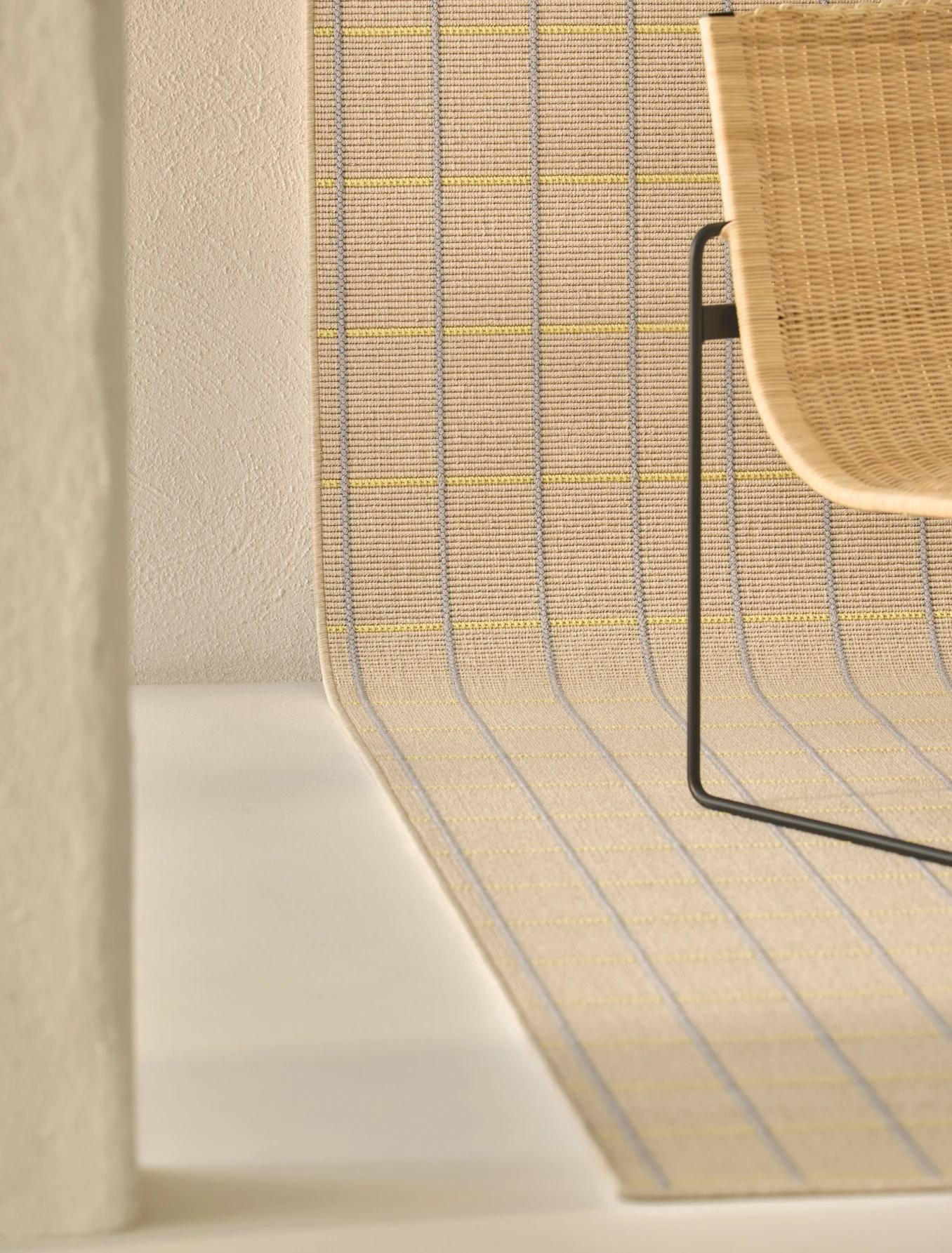
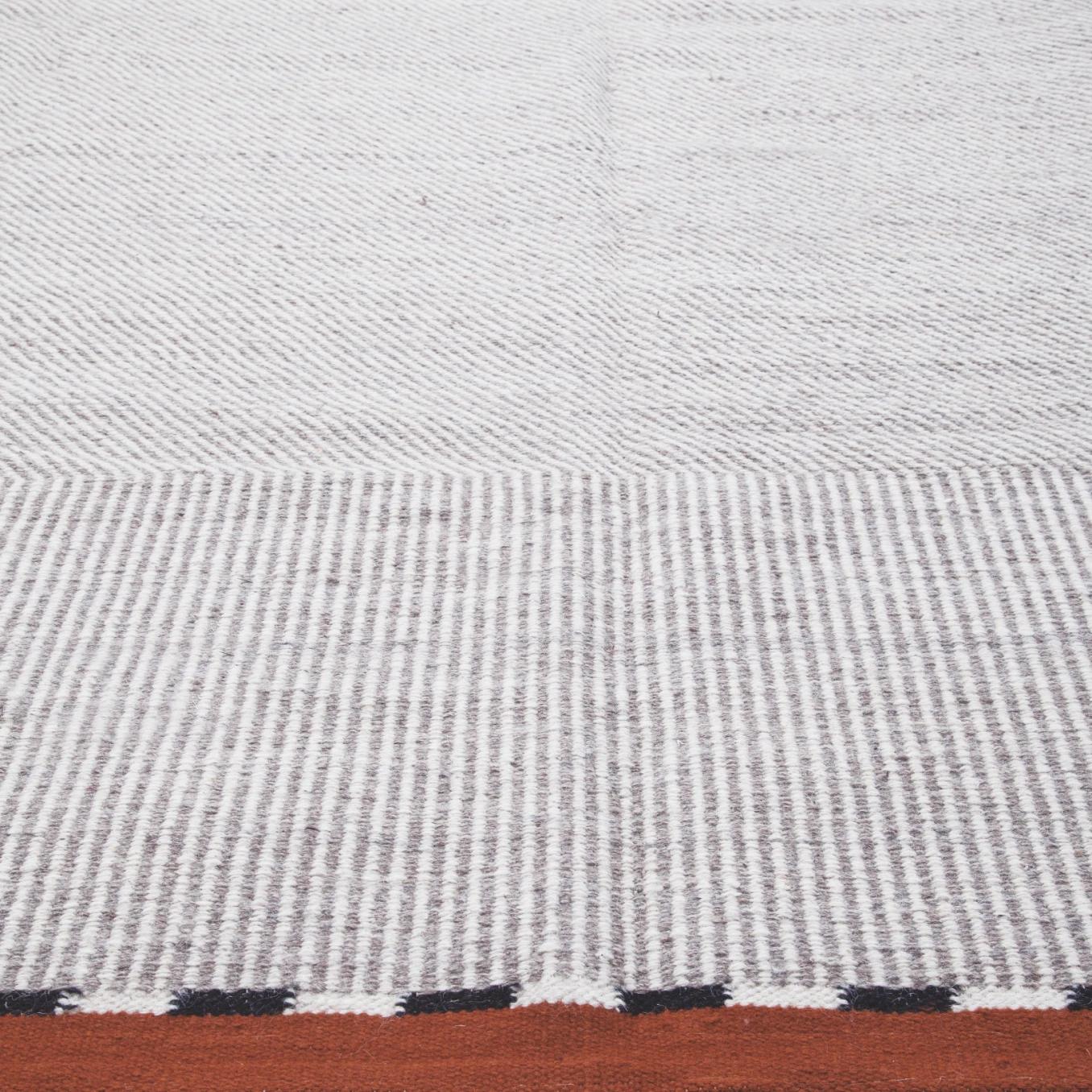
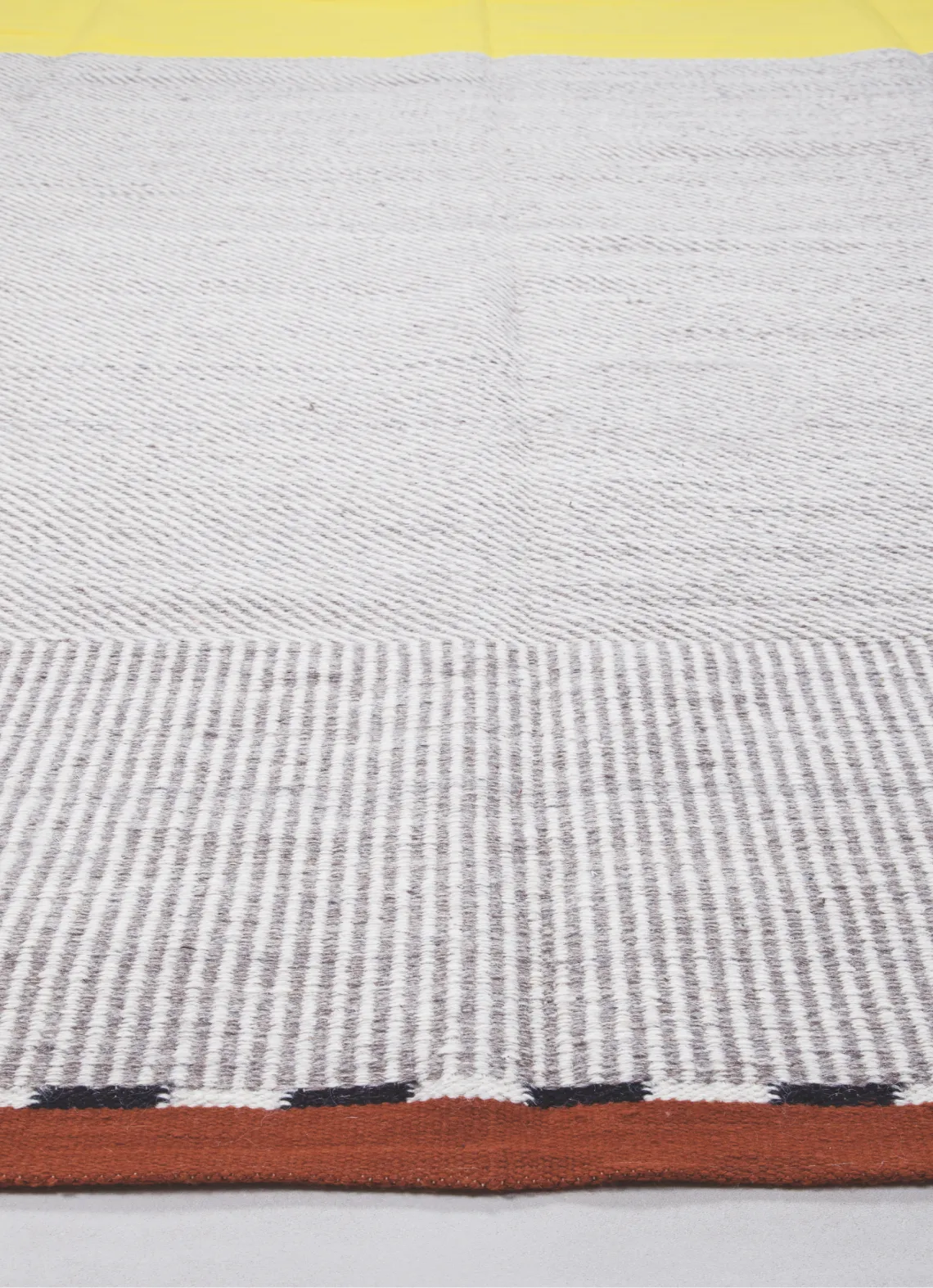
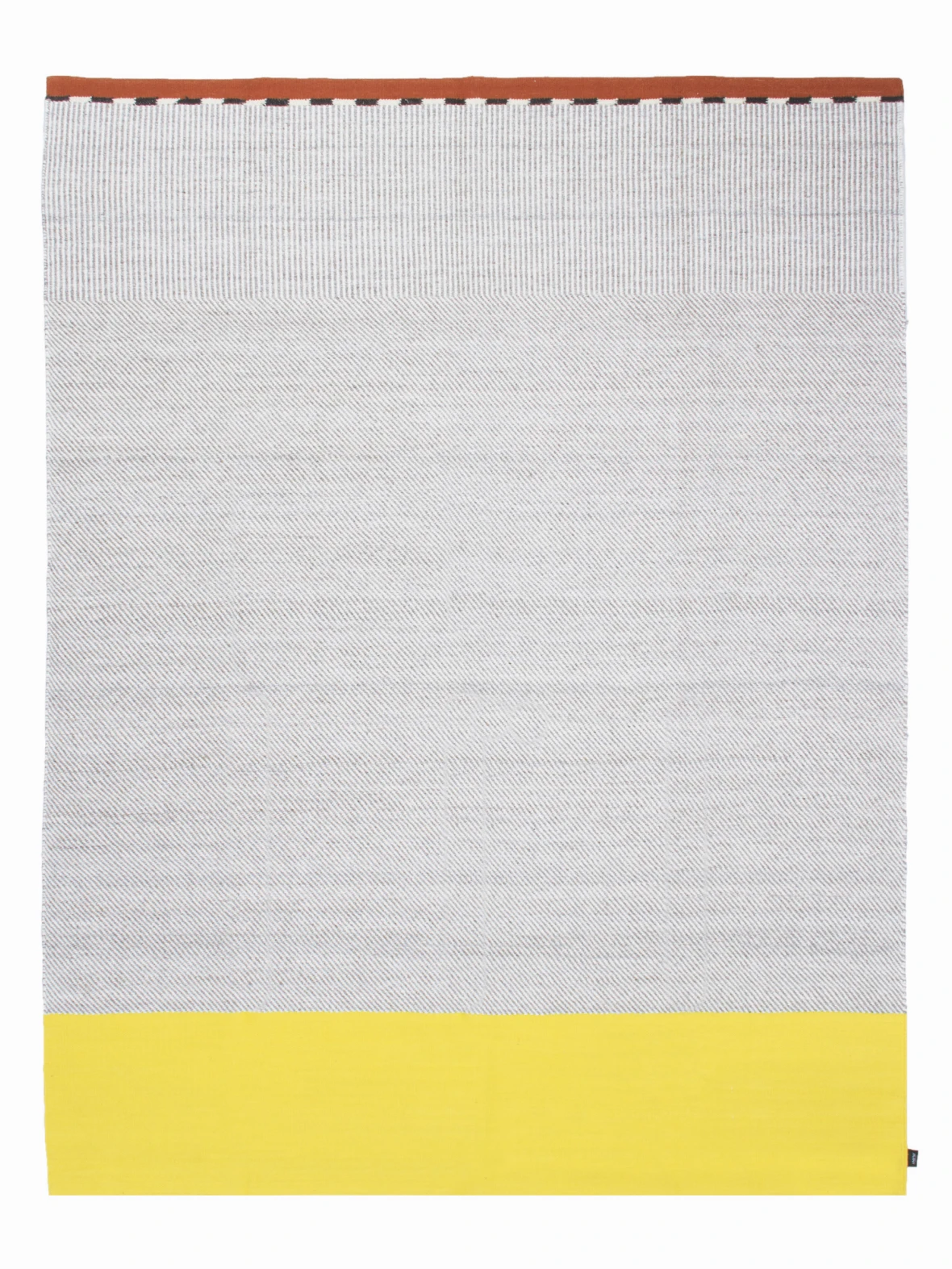
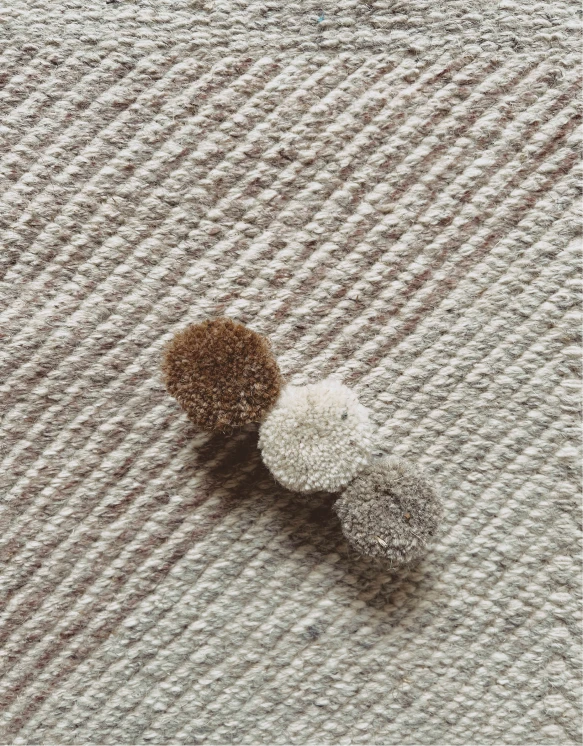
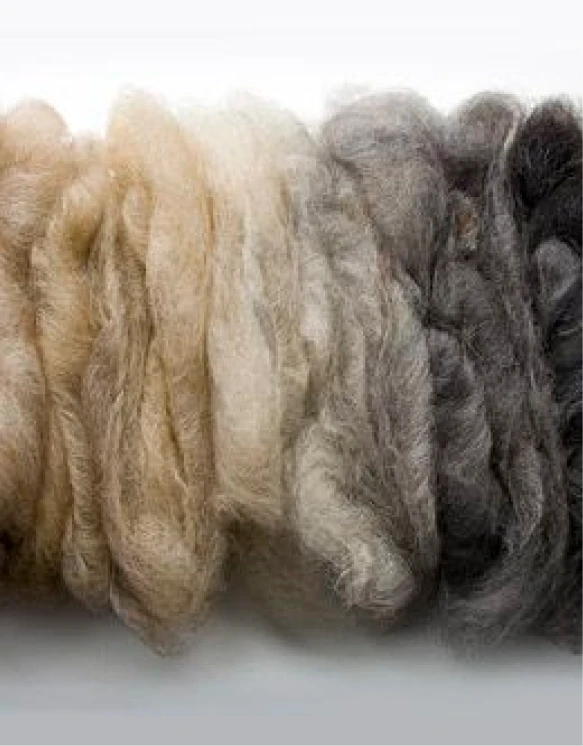
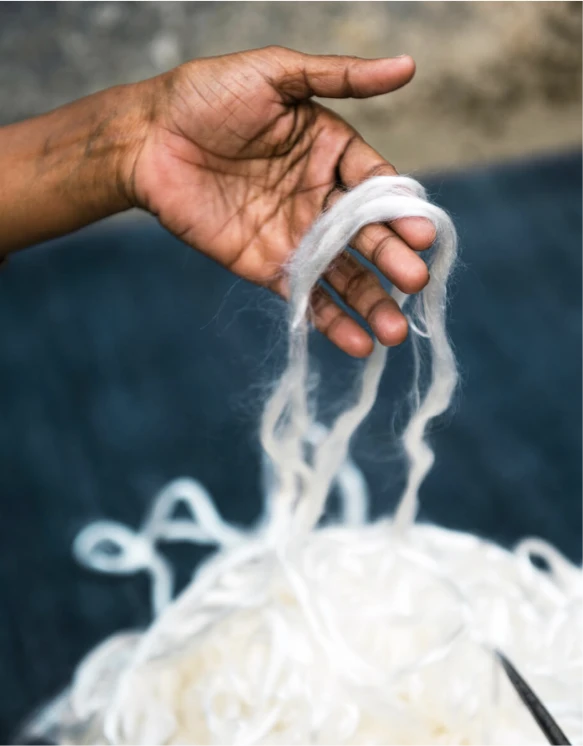
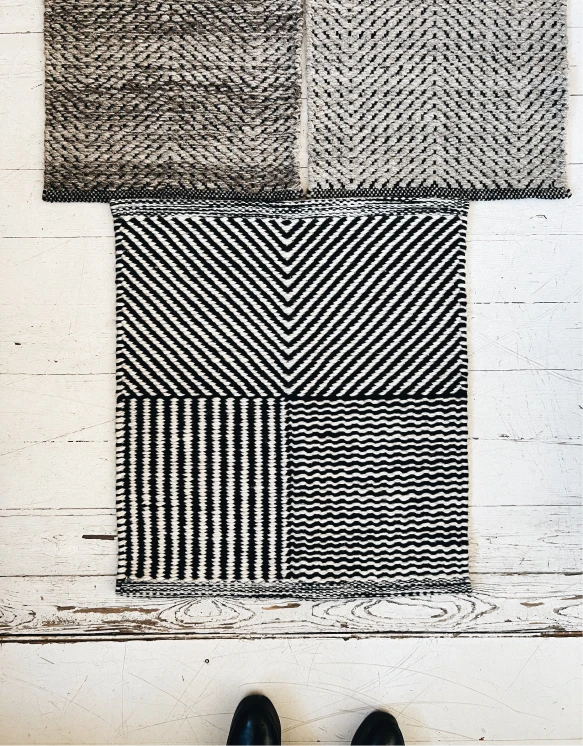
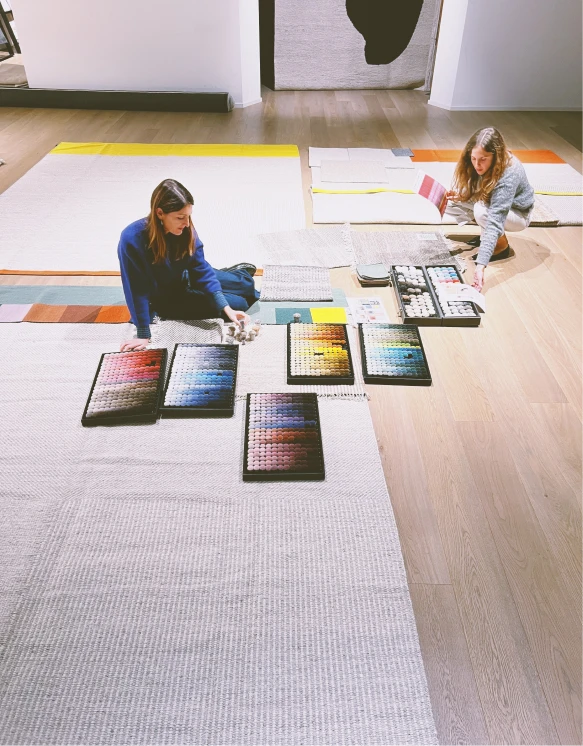
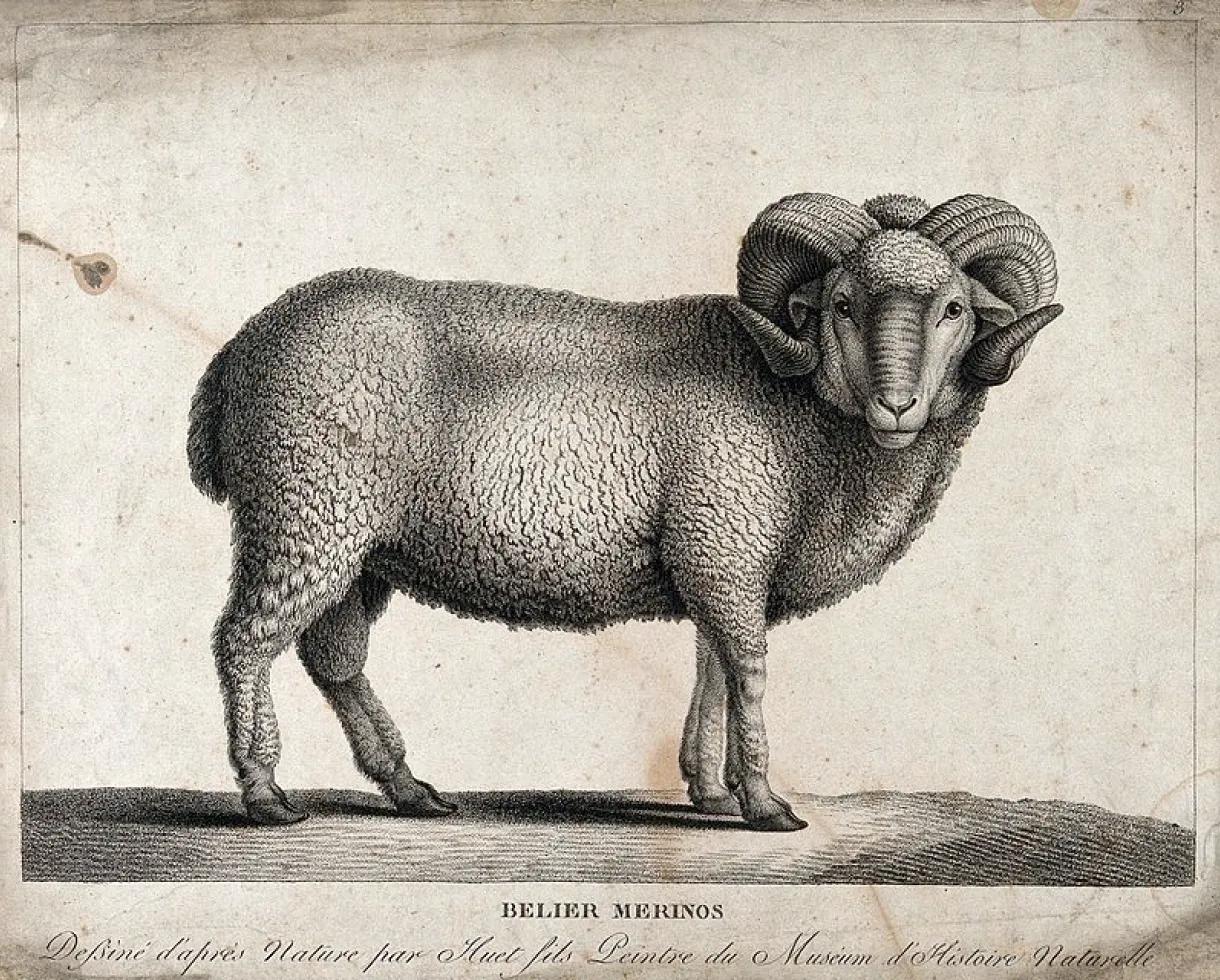
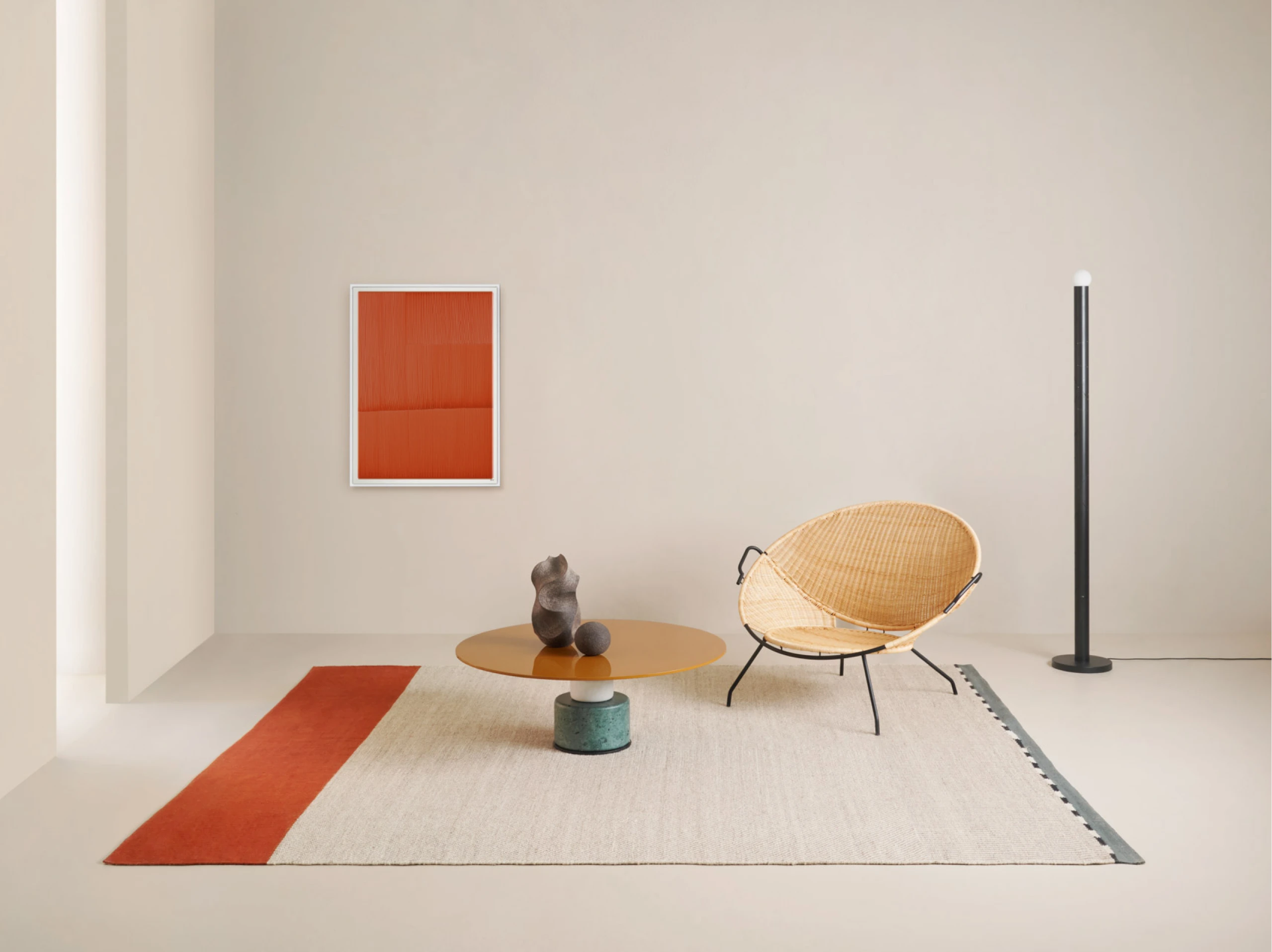
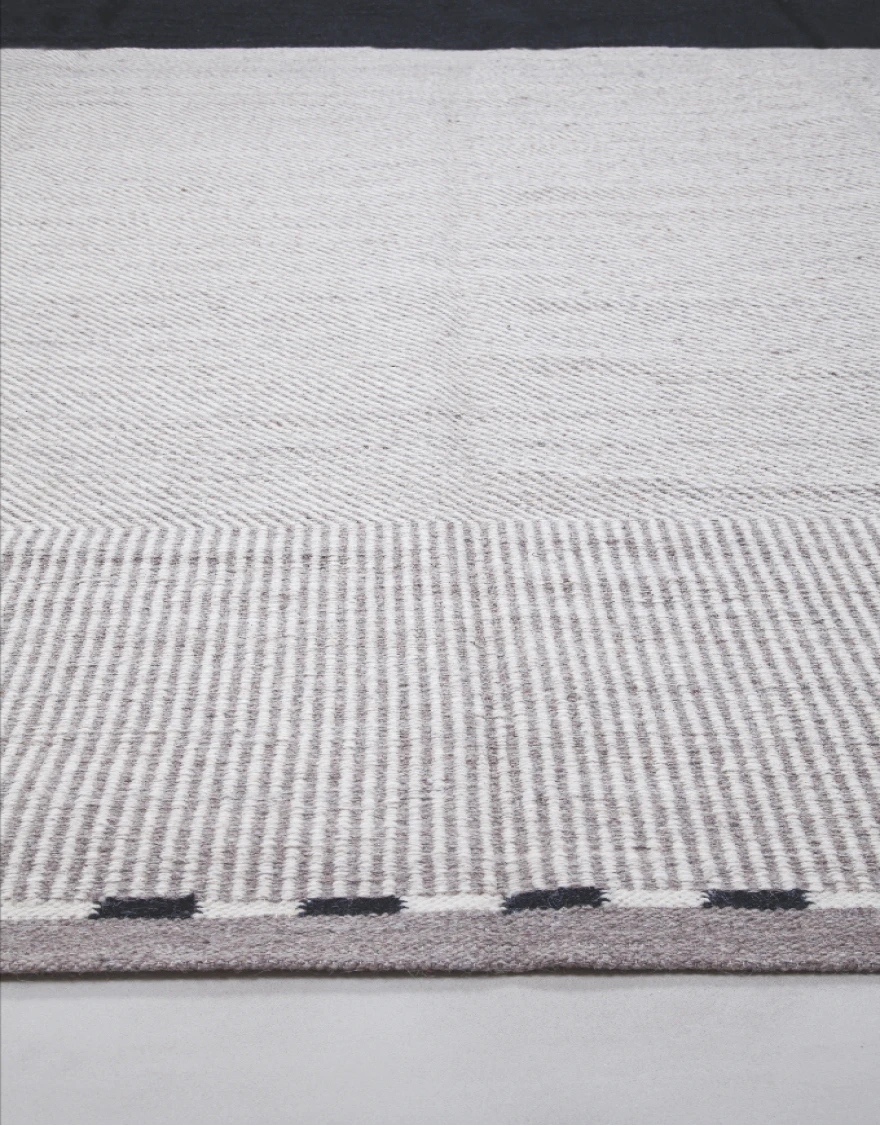
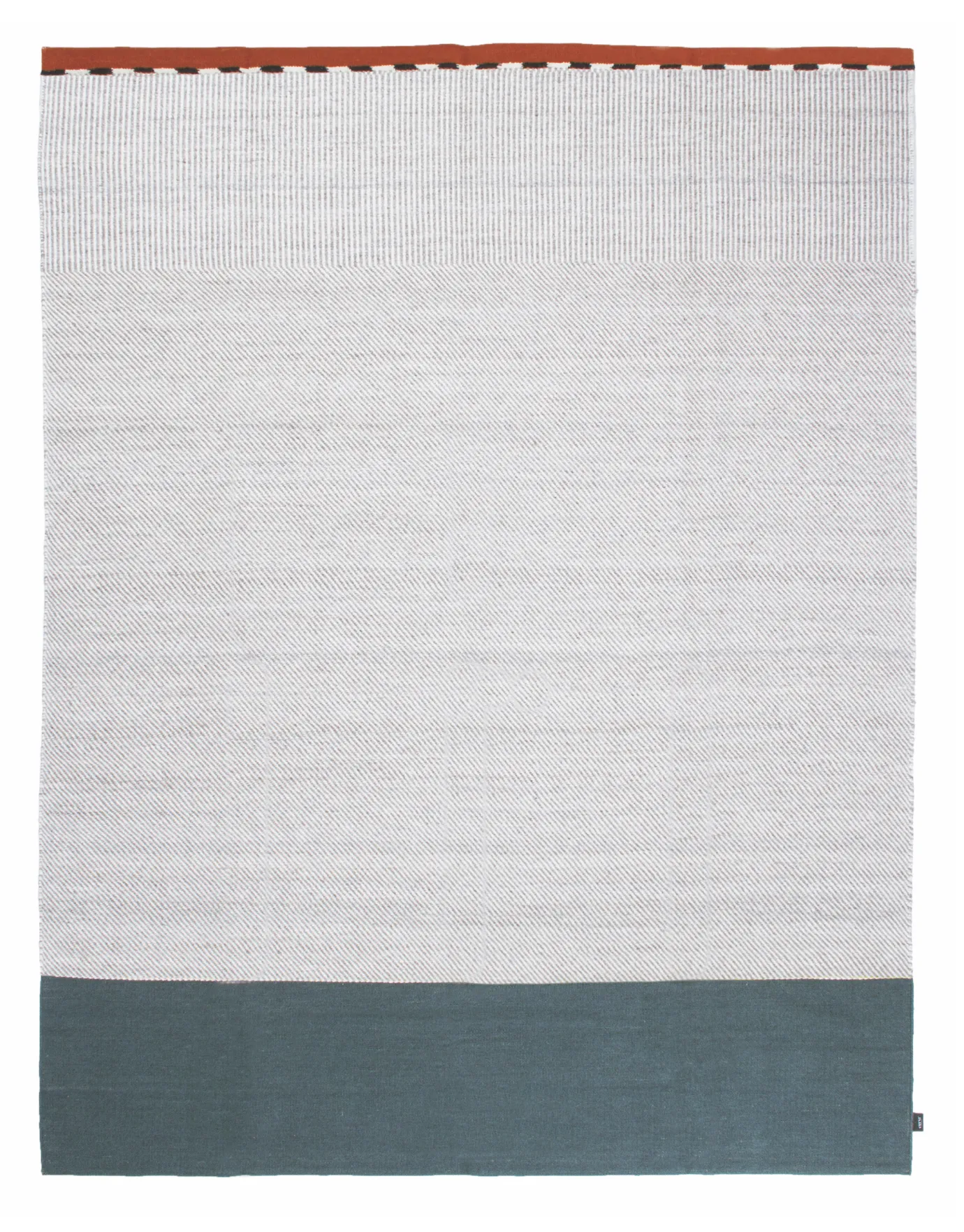
For our Khilim carpet, we explored the natural beauty of undyed sheep wool. One of the most harmful aspects of textiles is the dyeing and bleaching process, which contaminates a lot of water. By using 100% natural wool — in shades that range from white and beige to grey, brown, and black — we created a softly striped, geometric texture without chemicals or dyes.
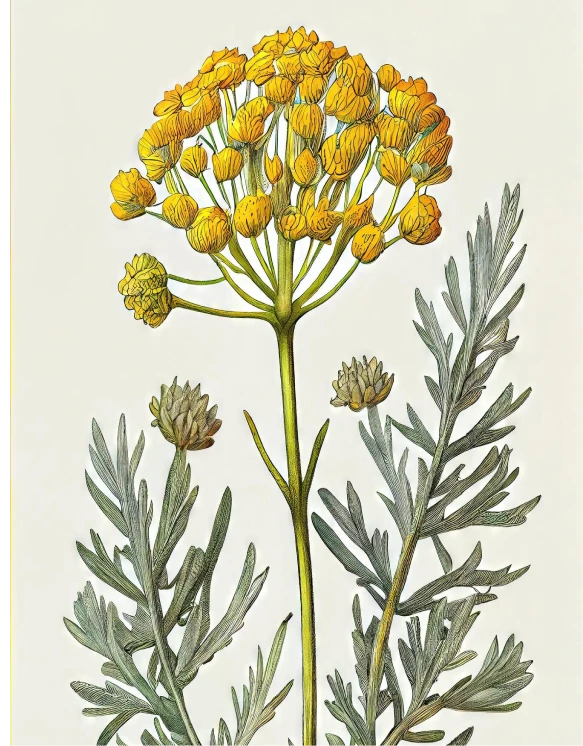
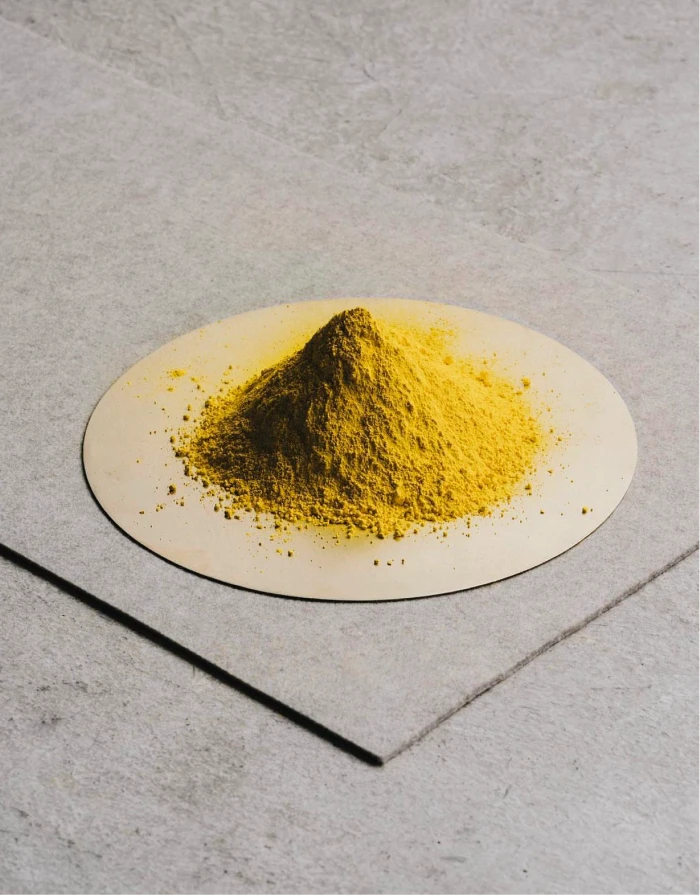
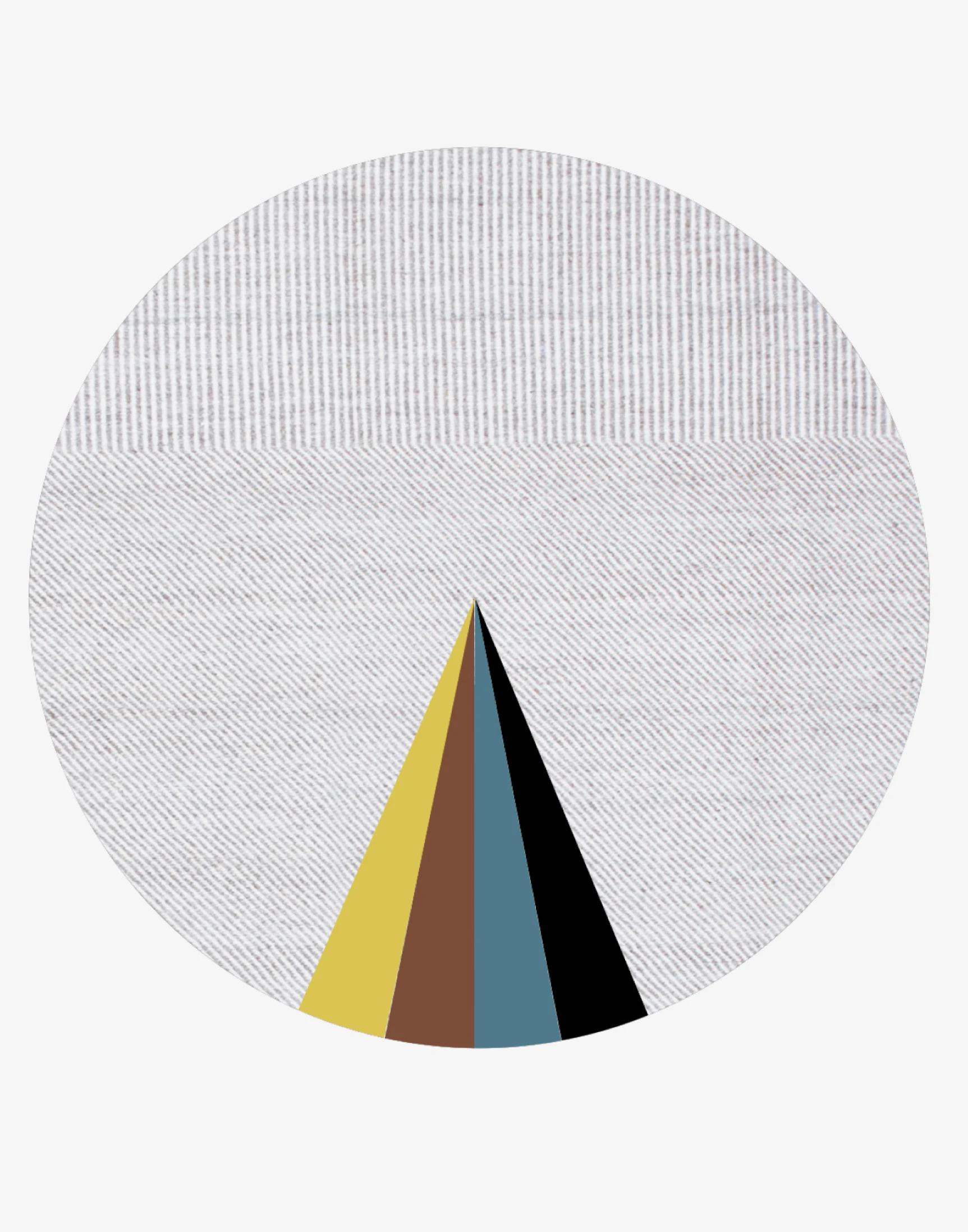
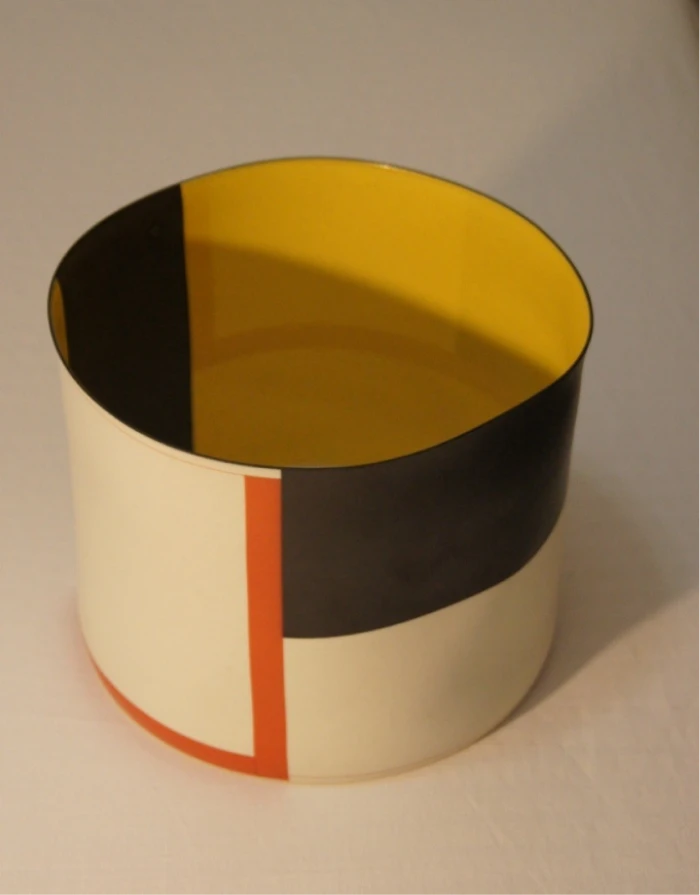
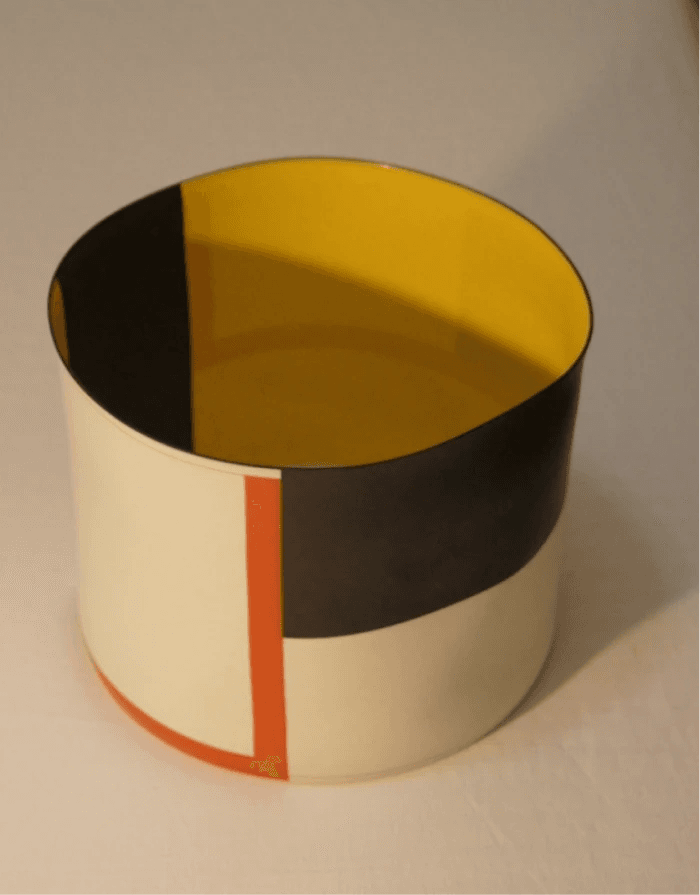
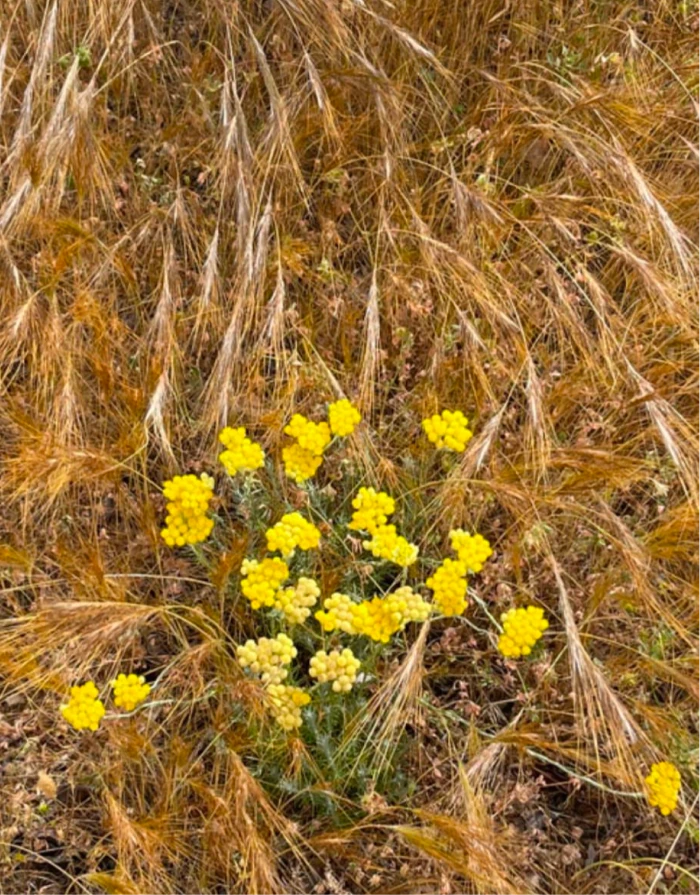
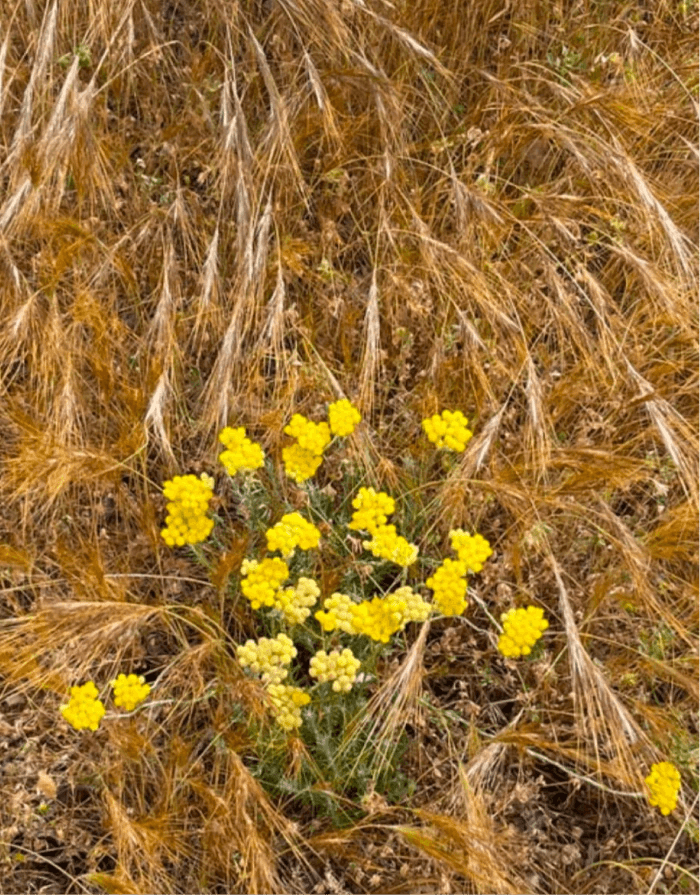
A minimal frame in helichrysum, rosewood, and water adds just a touch of color. The result is a sustainable, authentic rug that pairs effortlessly with both cool concrete and warm wood floors — rooted in tradition, refined in design.









THE COST OF COLOR
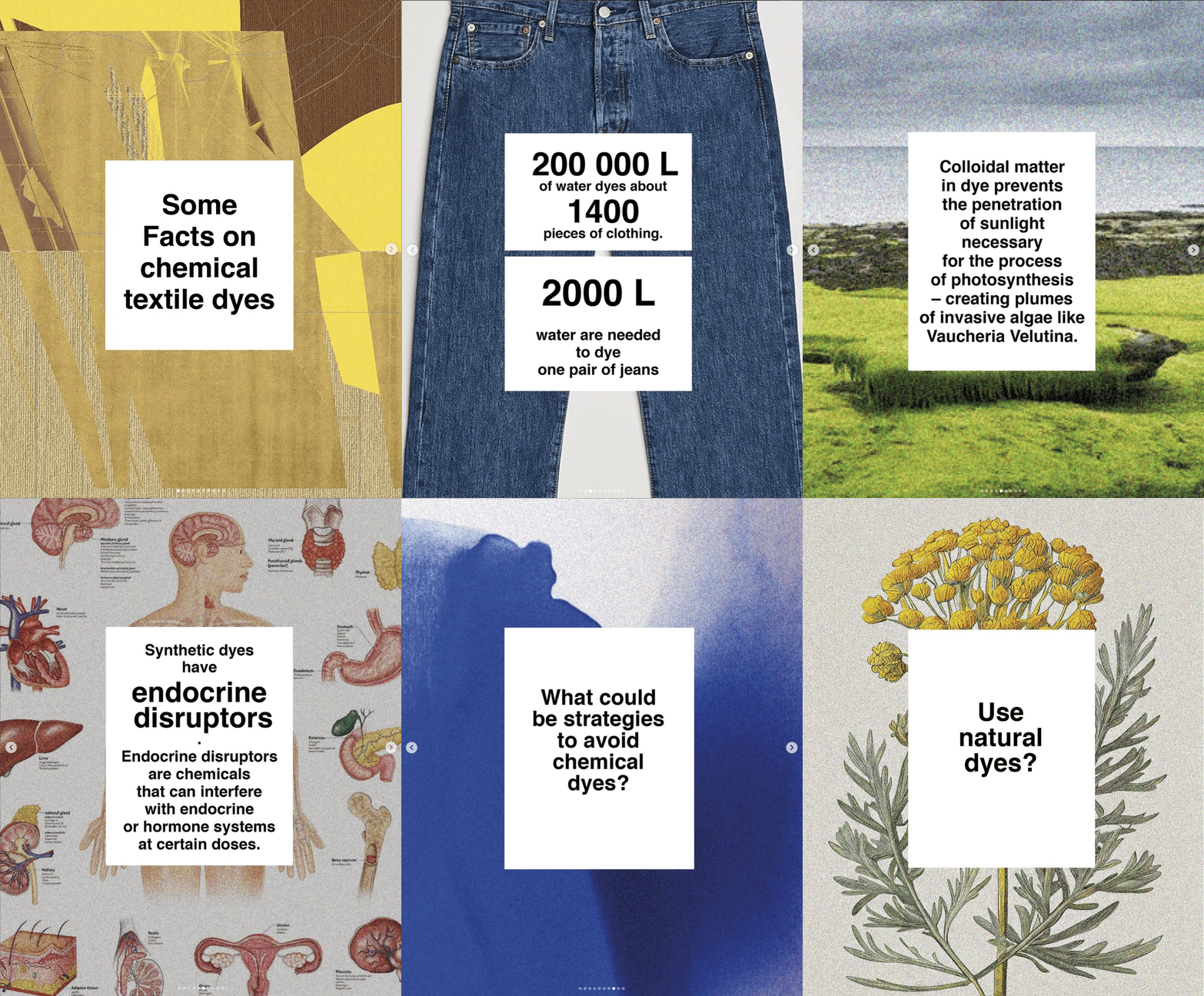
The numbers are difficult to ignore. Chemical dyes are responsible for an estimated 20 percent of all industrial water pollution globally, and the wastewater produced by textile dyeing plants is considered the most polluting of all industrial sectors. Dyeing a single pair of jeans requires up to 2000 litres of water — most of which leaves the process heavily contaminated. When discharged into rivers and lakes, these effluents trigger the growth of invasive algae that disrupts photosynthesis and collapses aquatic ecosystems from the base of the food chain upward.
The chemical composition of these dyes compounds the damage further. Azo dyes — which account for 60 to 70 percent of all synthetic dyes used in textiles — are classified as known carcinogens. Many conventional dyes also contain endocrine disruptors: substances that interfere with hormonal systems in both wildlife and humans, with effects that accumulate over time and across species. Workers in dyeing facilities face the most direct exposure, while downstream communities absorb the longer-term consequences. For those of us who specify materials, these facts are not peripheral — they are part of the design decision.


STRIPES AND COLORS
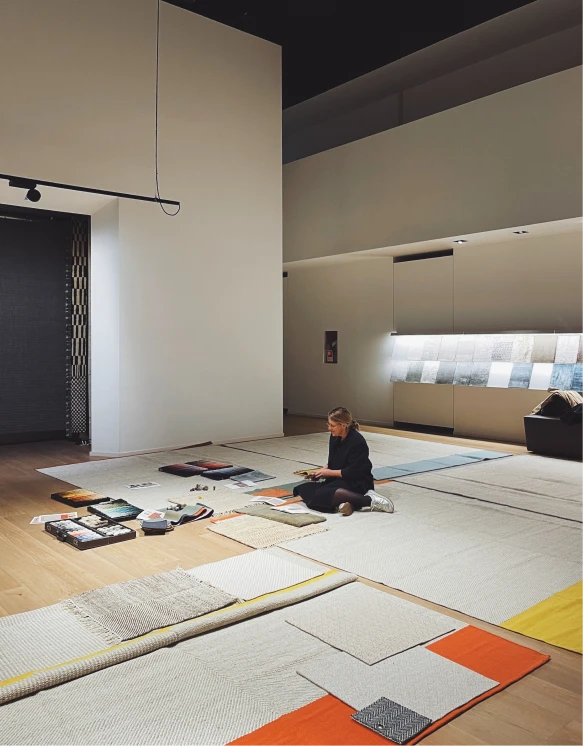
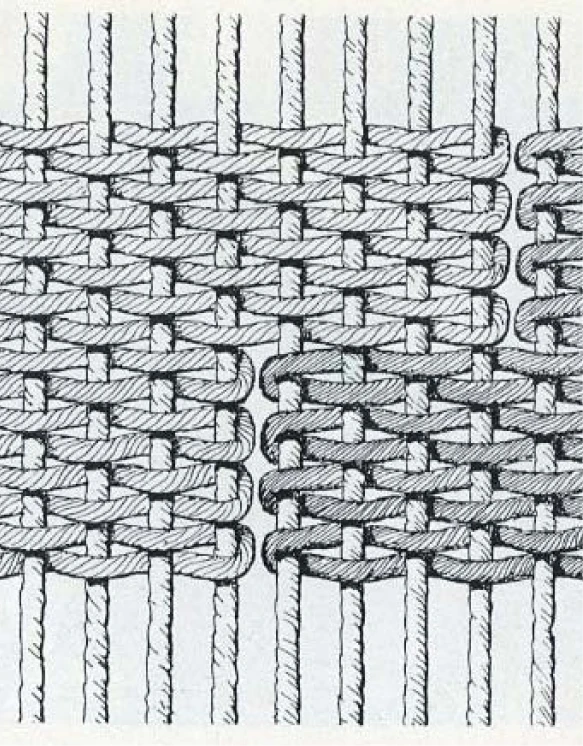
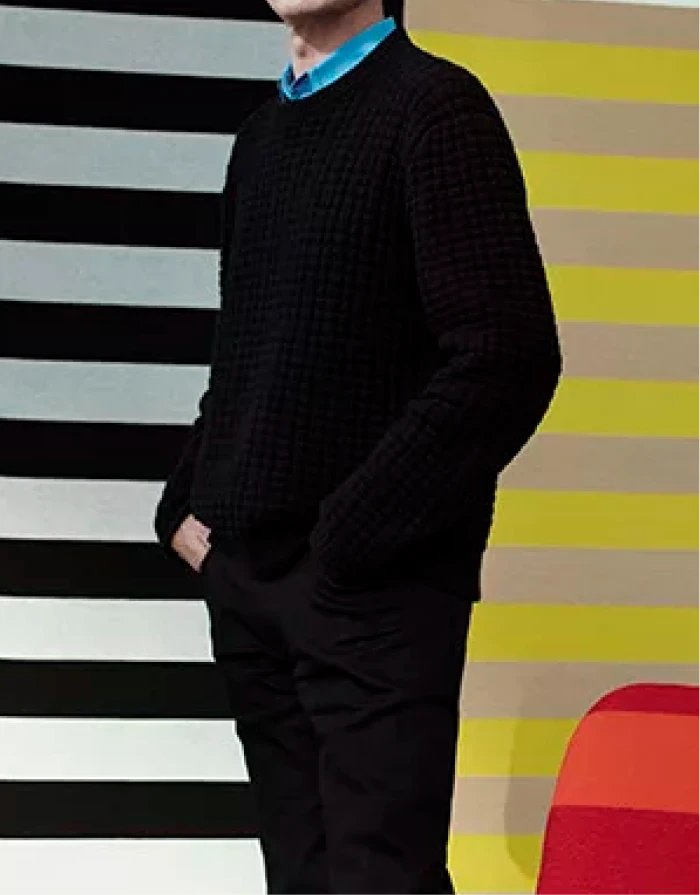
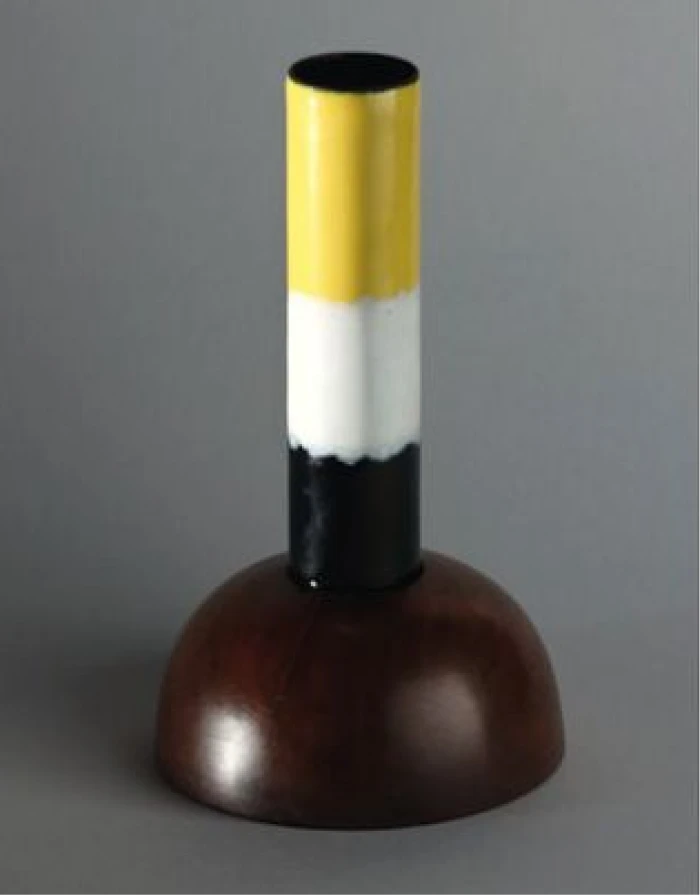
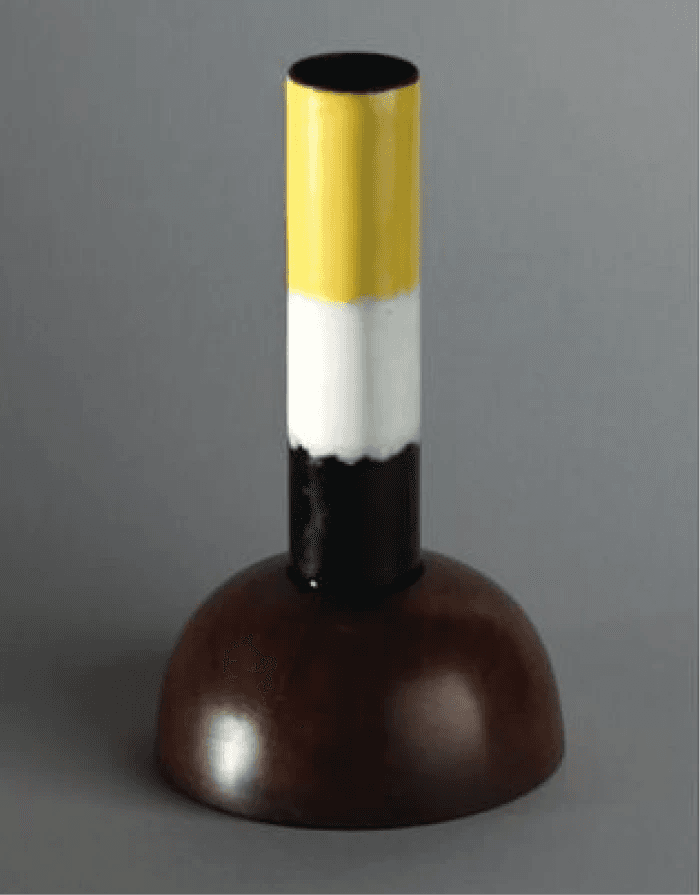
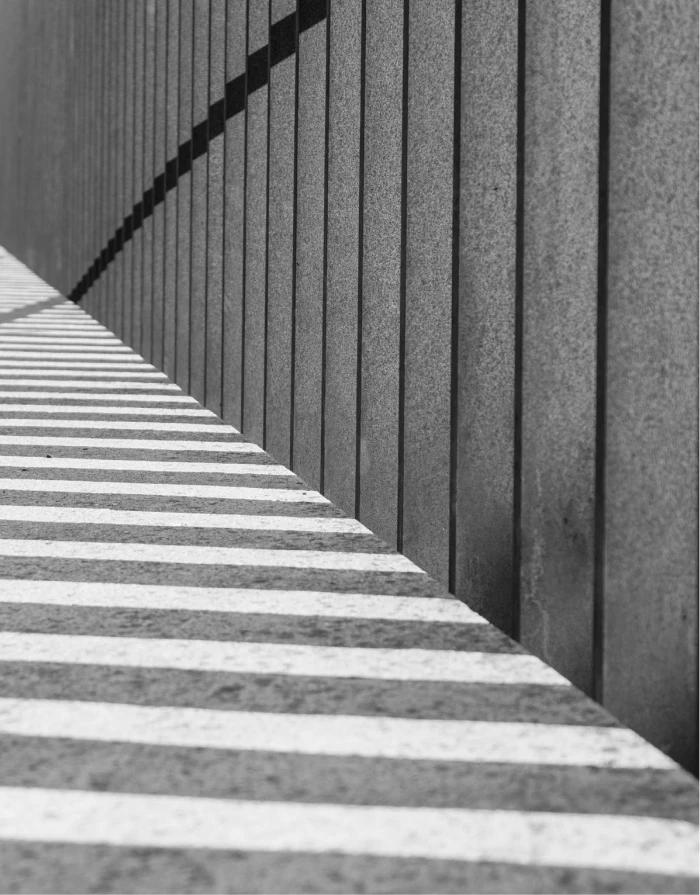
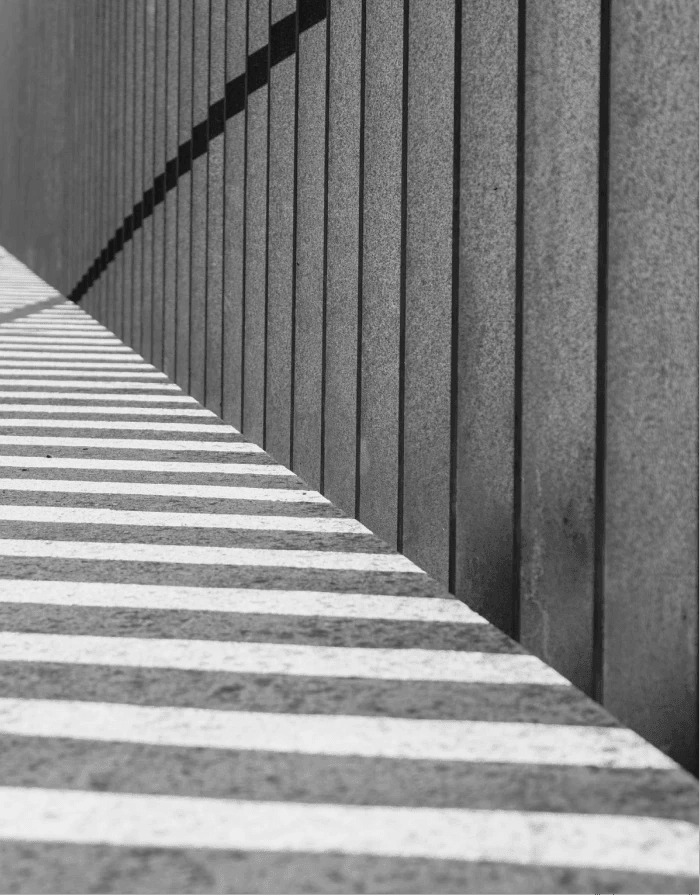
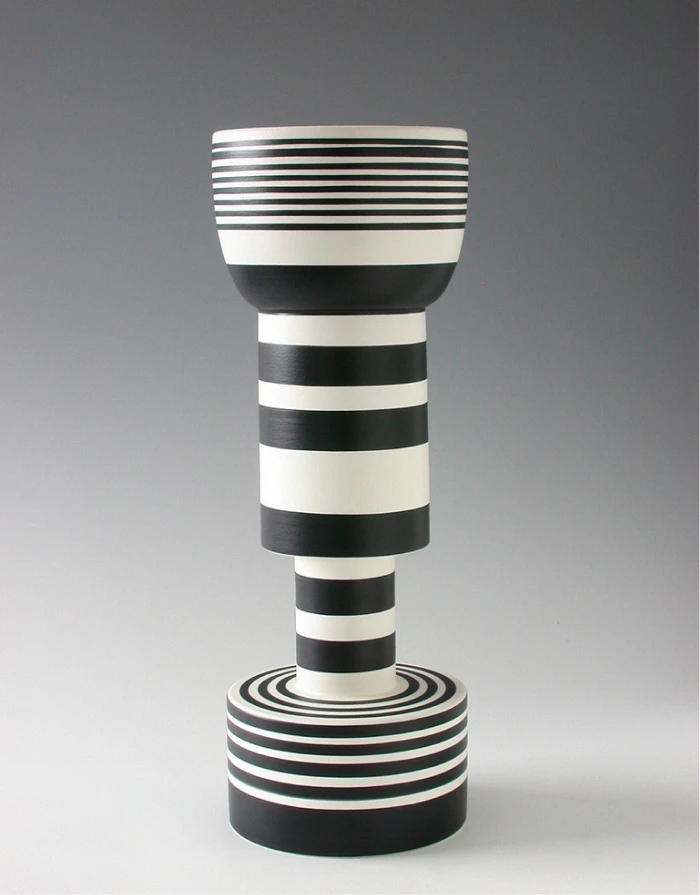
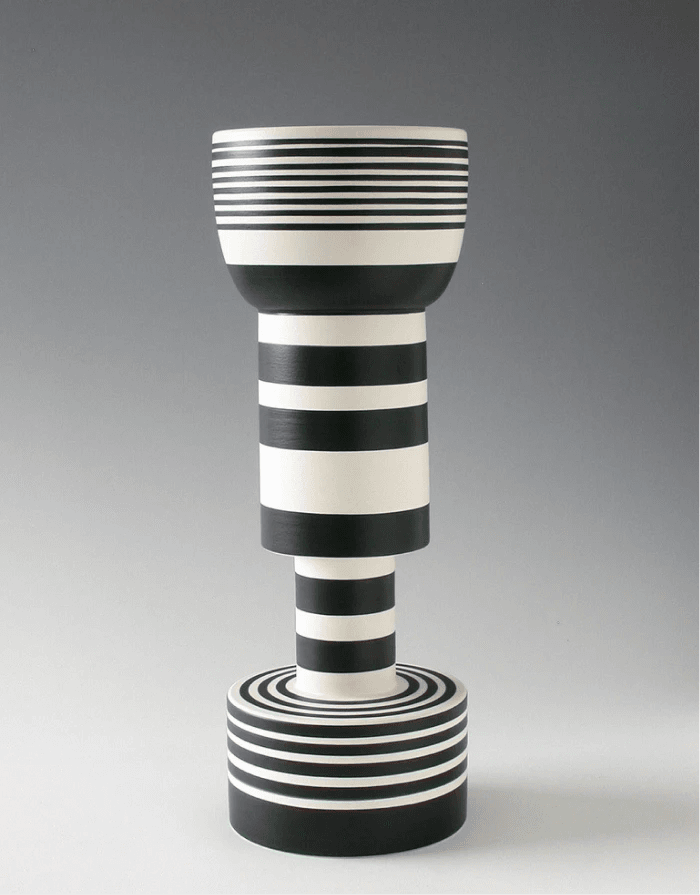
The starting point was the stripe — one of the most ancient and universal patterns in textile history, found across cultures from Andean weavings to Japanese ikat, from Breton sailor shirts to the graphic boldness of 1960s Italian ceramics. What interested us was not the stripe as decoration, but as structure: the way a repeated line can generate rhythm, depth and optical movement from the simplest of means. The soft geometric texture of the carpet is achieved through the interplay of two shades of natural wool , giving the surface a warmth and depth that a flat, uniform field could never achieve.
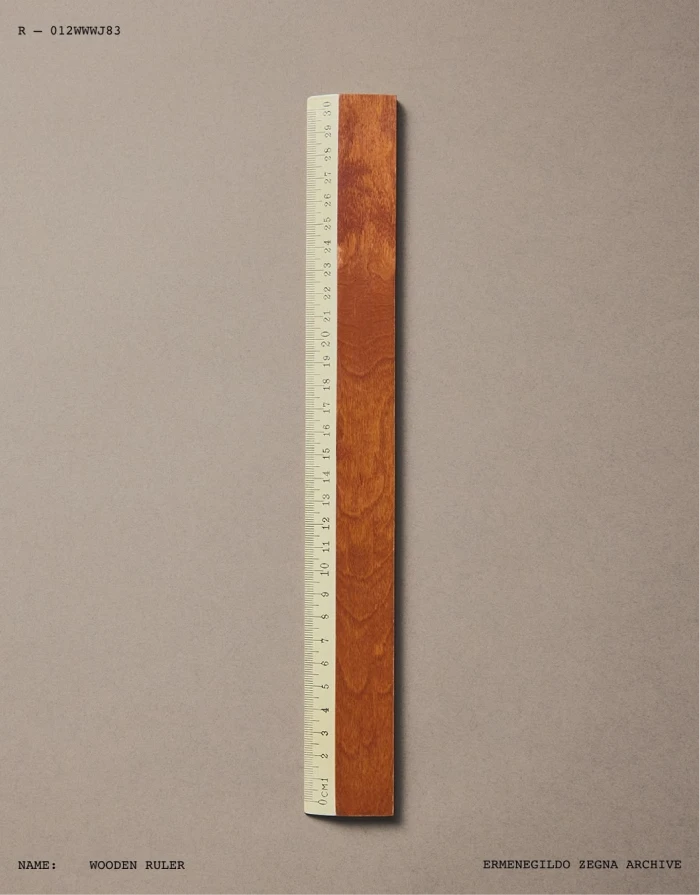
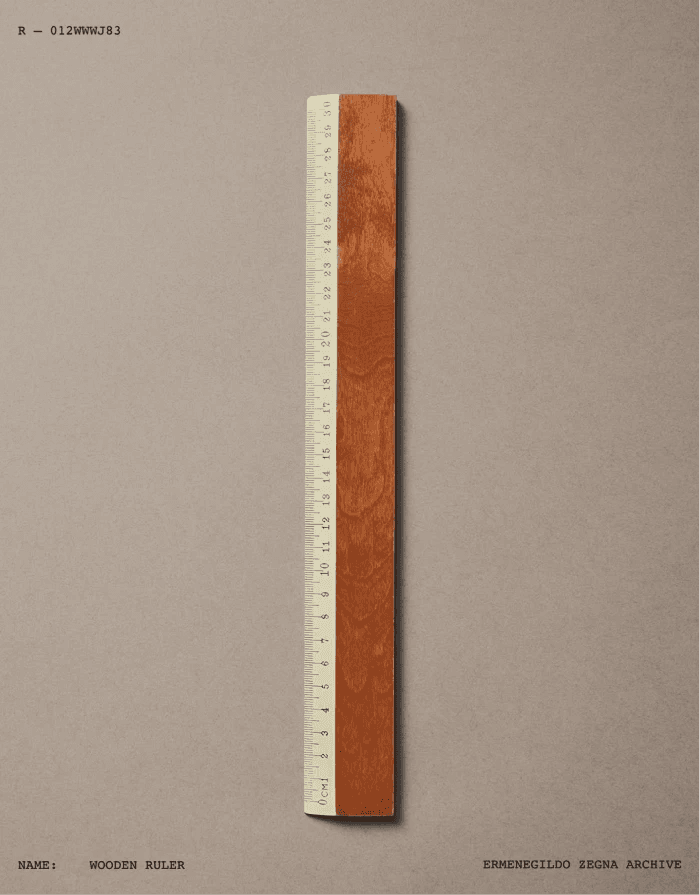
This central field is framed by two colour bands that recall the fringes of traditional carpets — the moment where the woven structure releases into loose thread, marking the boundary between the object and the floor it inhabits. That transition is reinterpreted as a deliberate colour statement: a contained field that anchors the composition and gives it weight. A thin black and white line runs between field and border, a direct reference to the wooden and metal rulers once used by tailors — precise, graphic, and carrying with it the memory of craft, measurement, and the human hand behind every pattern.



PRODUCT DESIGN
Altherr Désile Park
ART DIRECTION
Altherr Désile Park, Elisa Ossino Studio
IMAGERY
Valentina Sommariva, Altherr Désile Park