Kata Lounge × Arper


SOFT TECH MEETS CRAFT
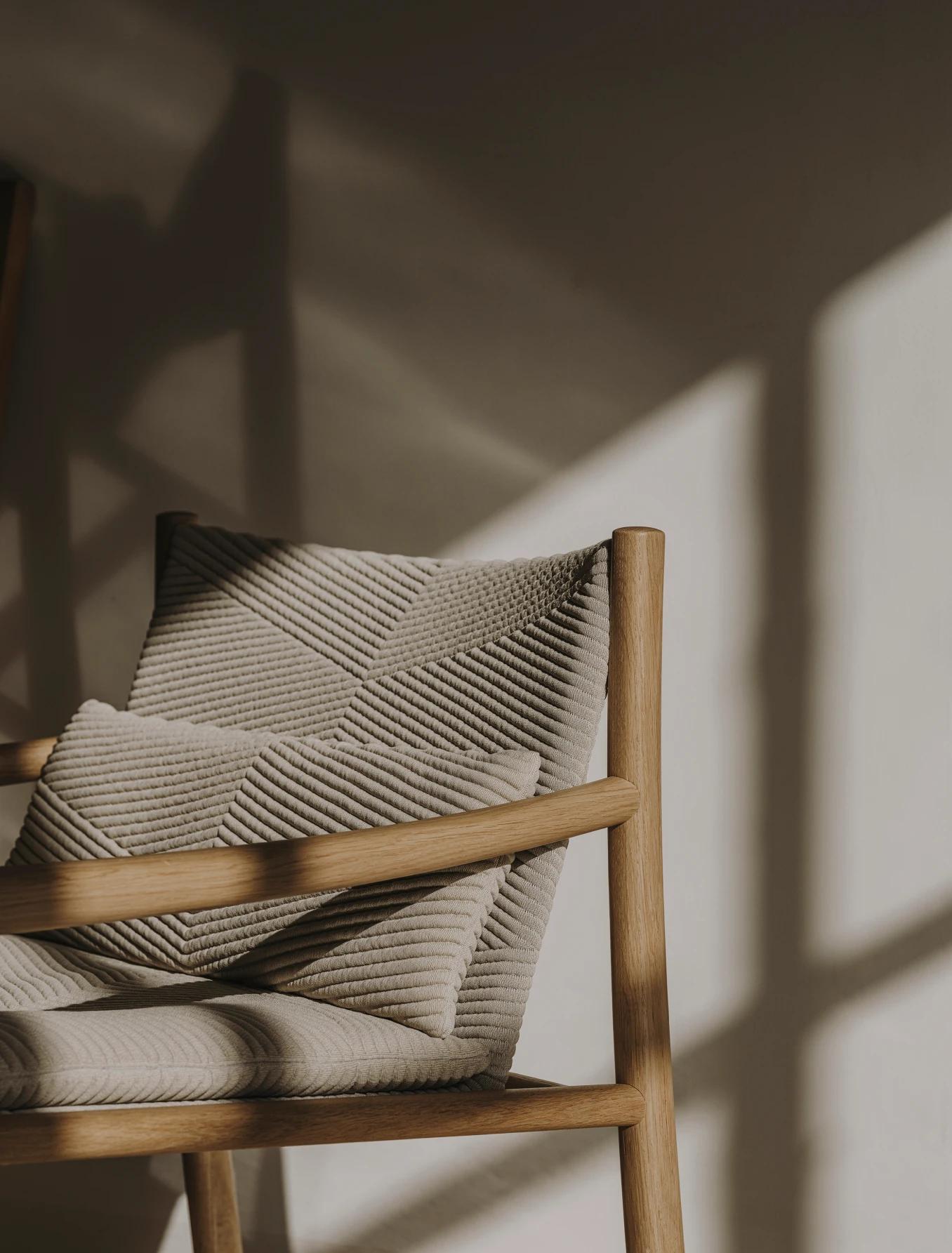
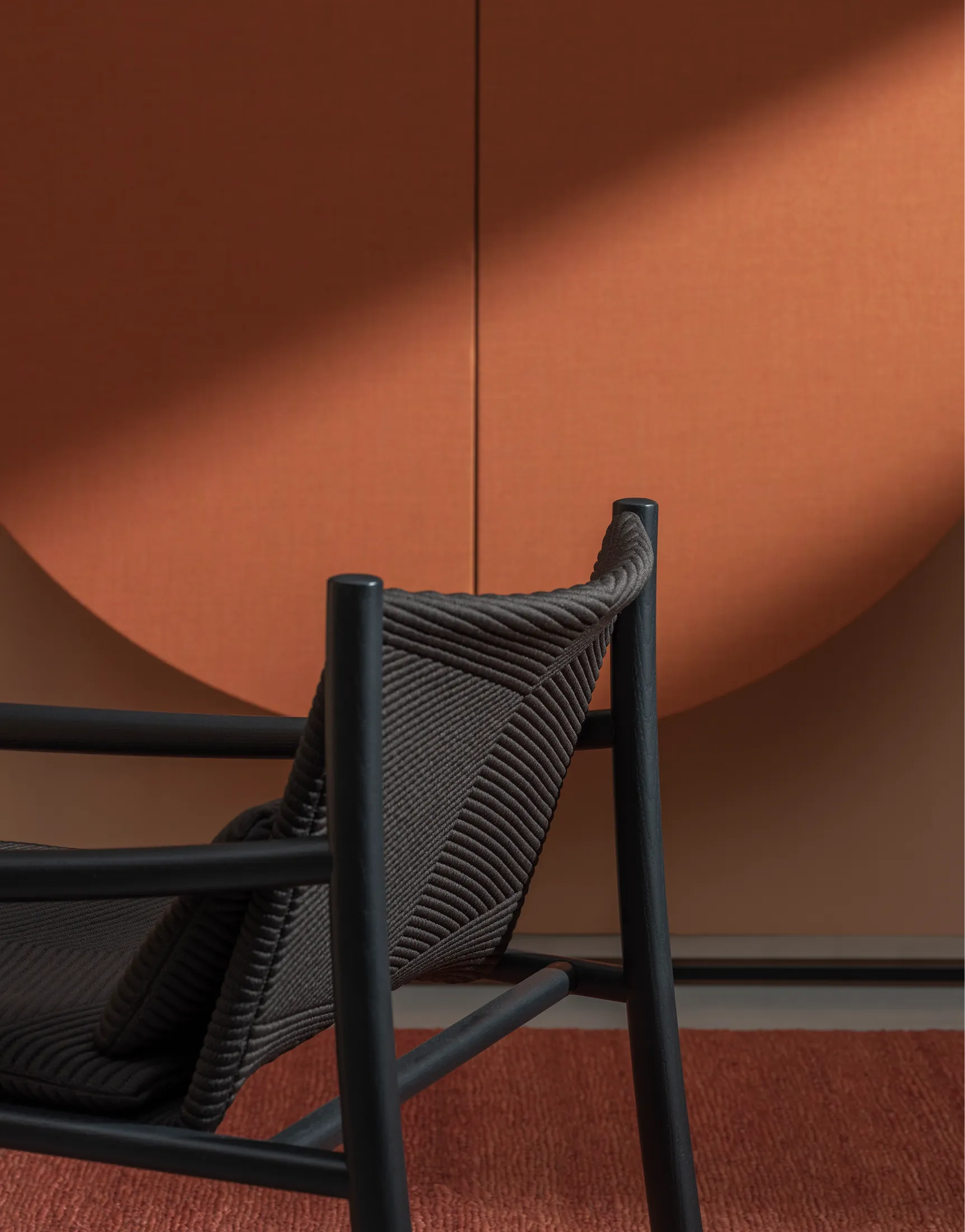
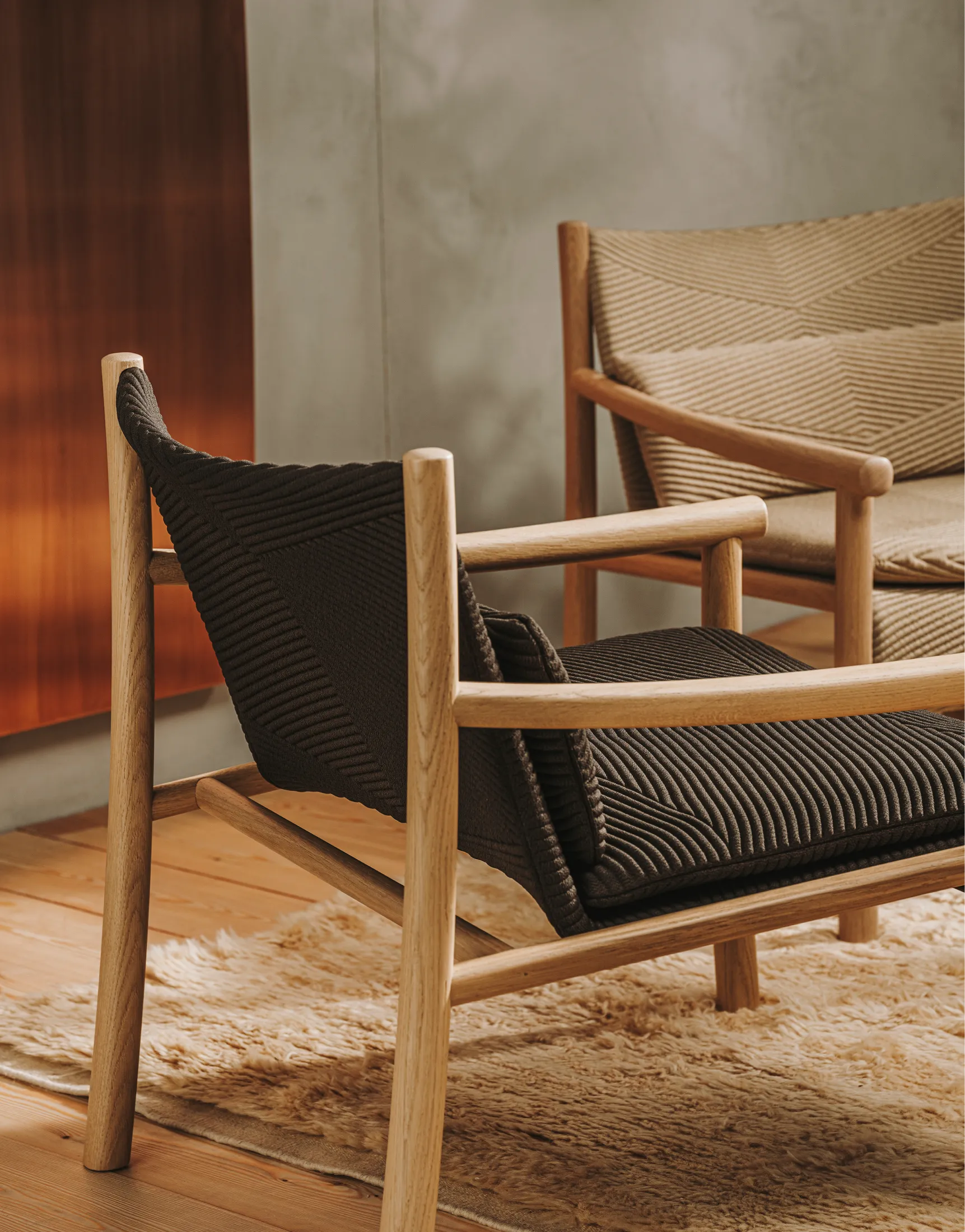
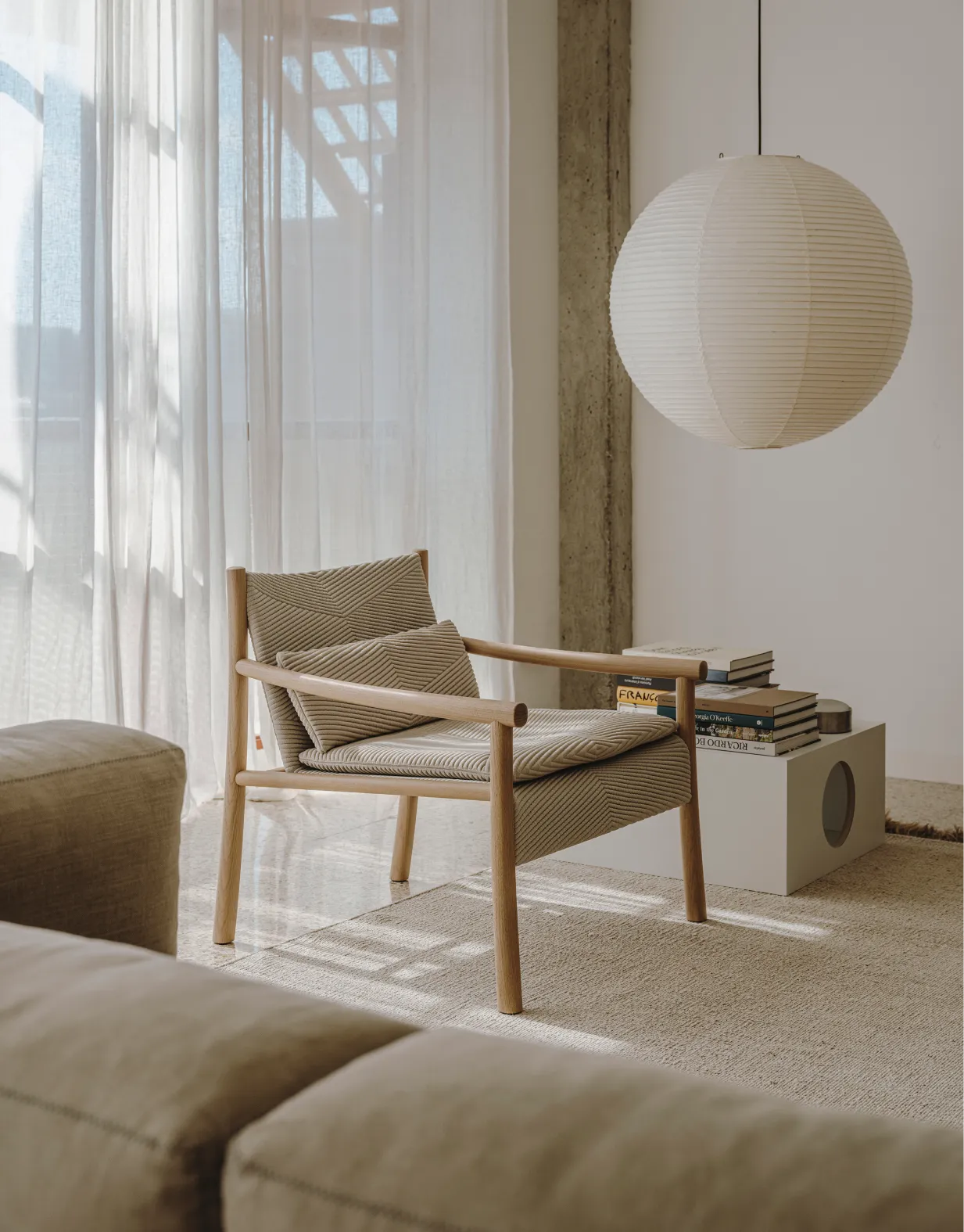
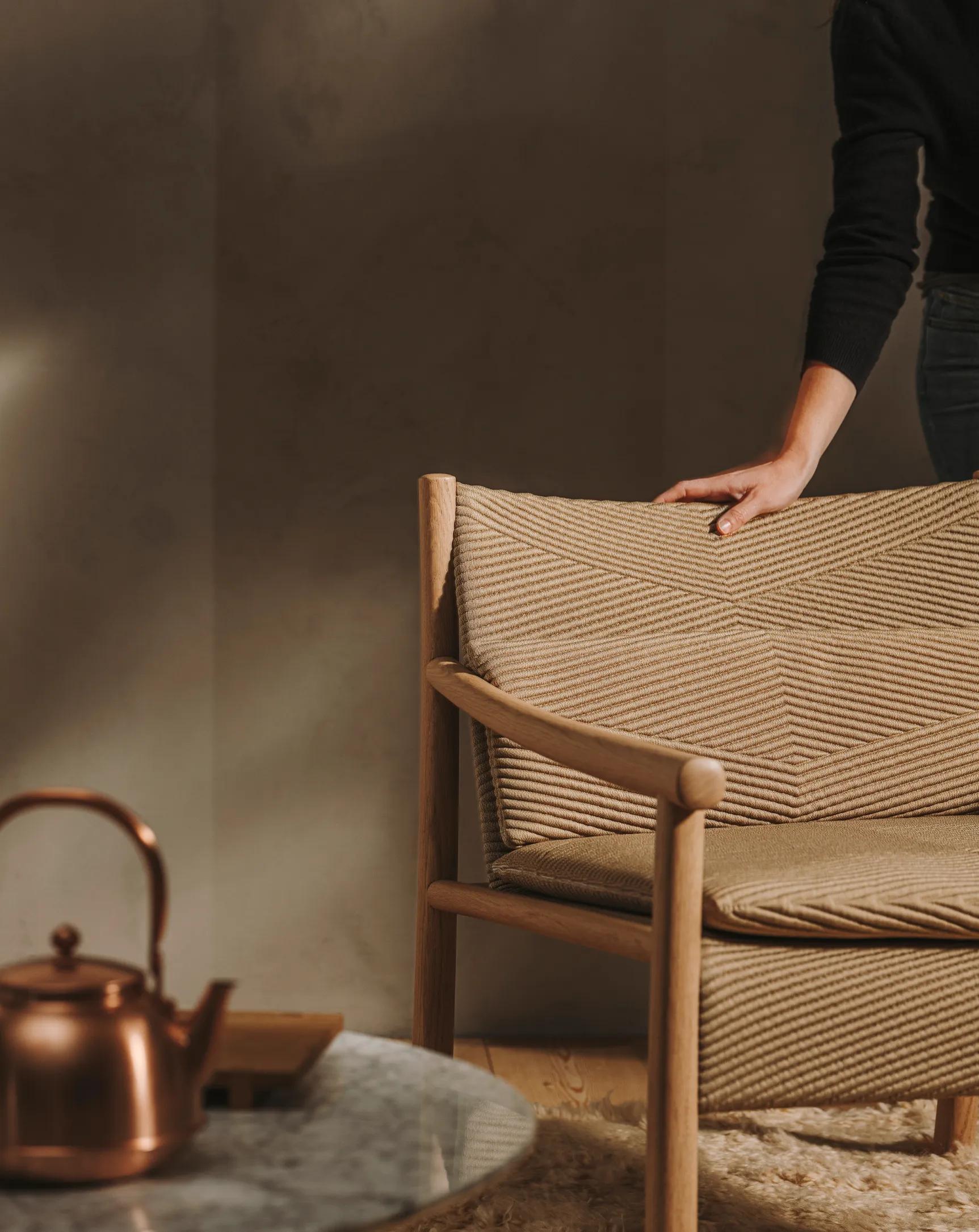
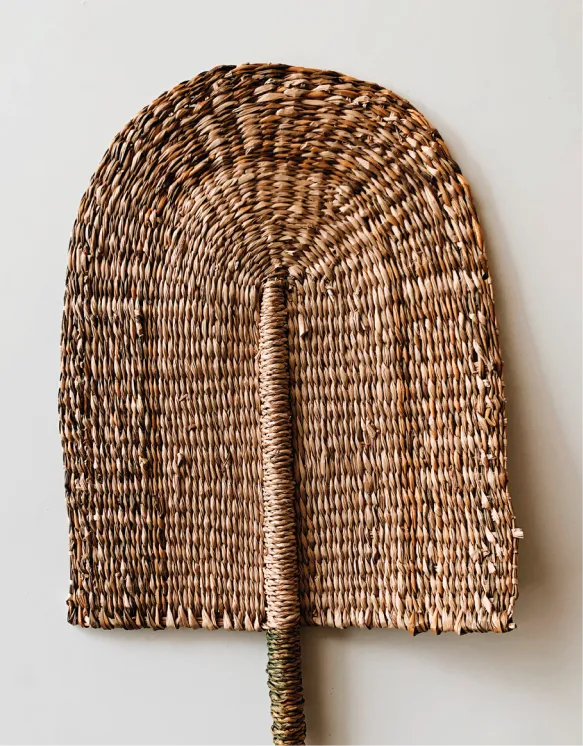
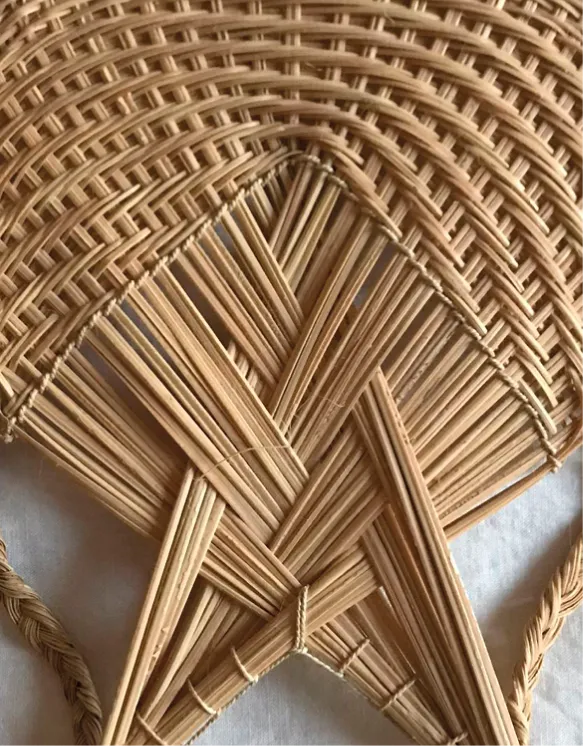
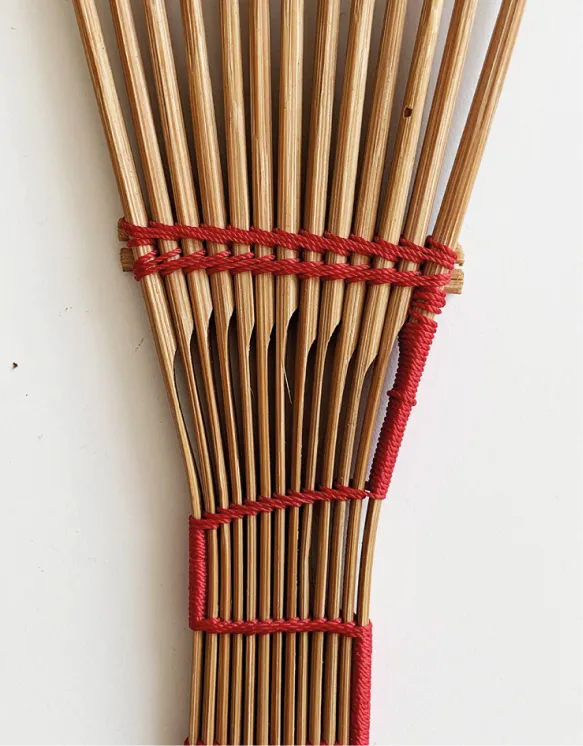
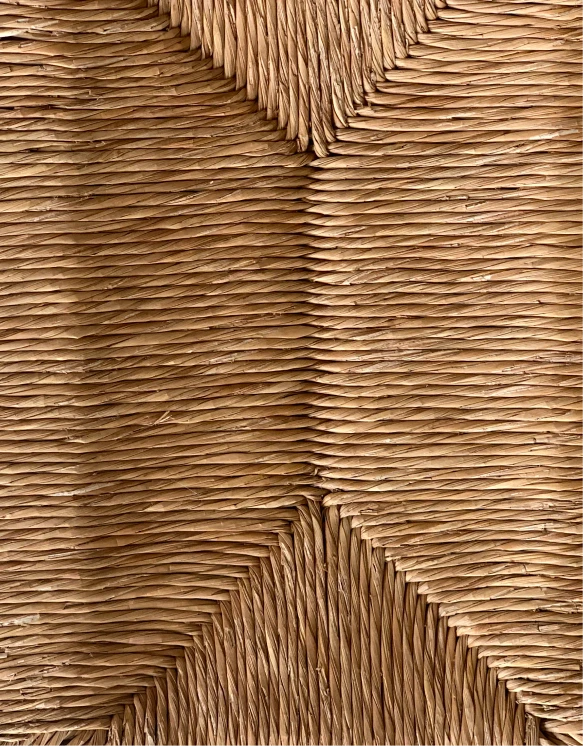
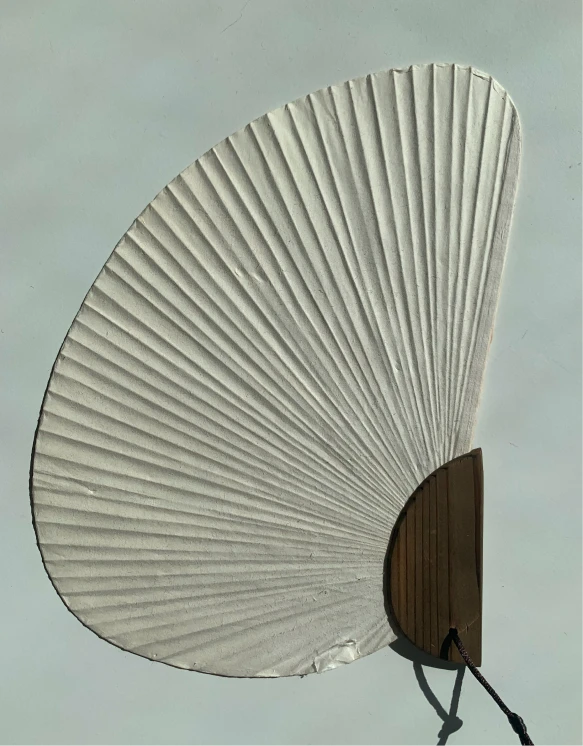
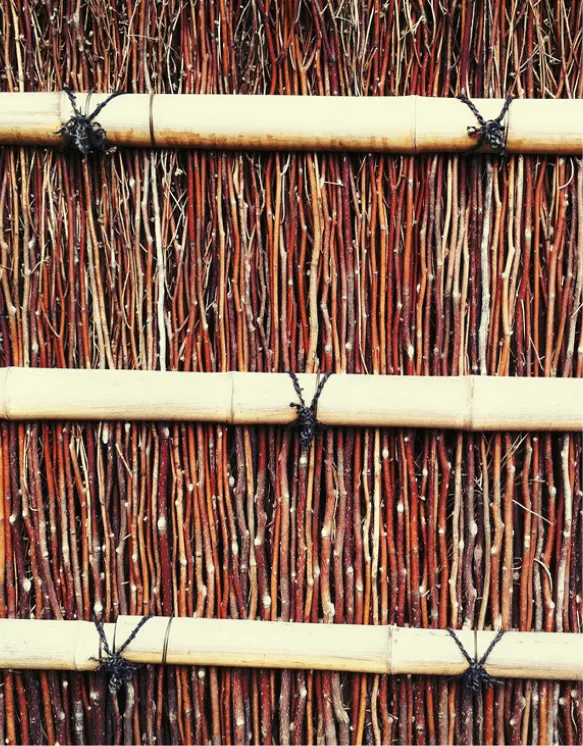
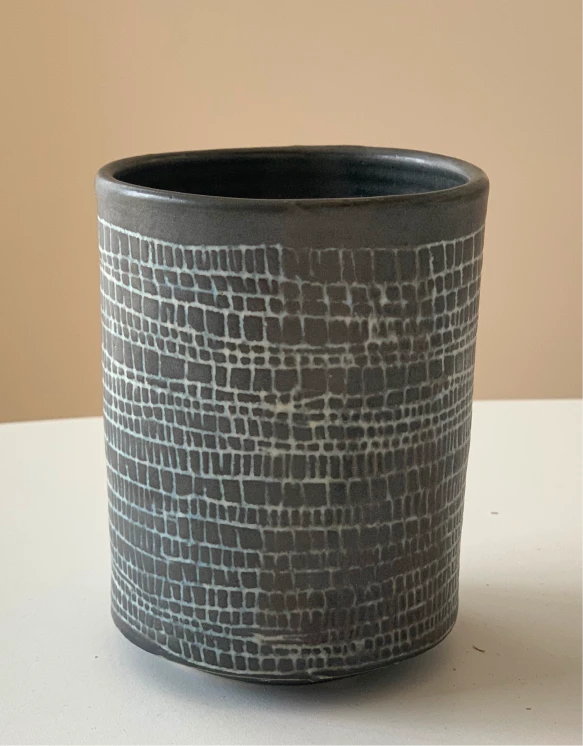
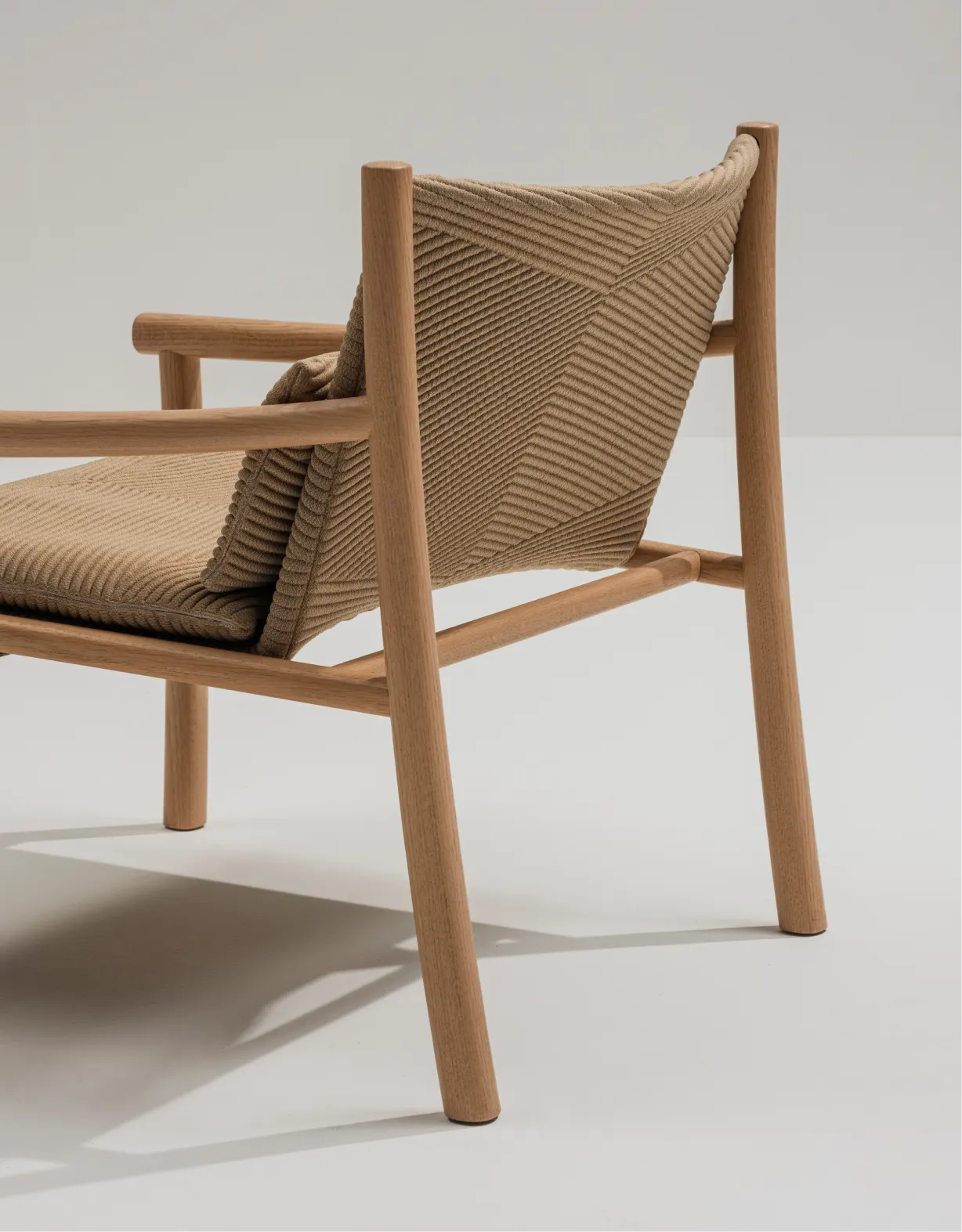
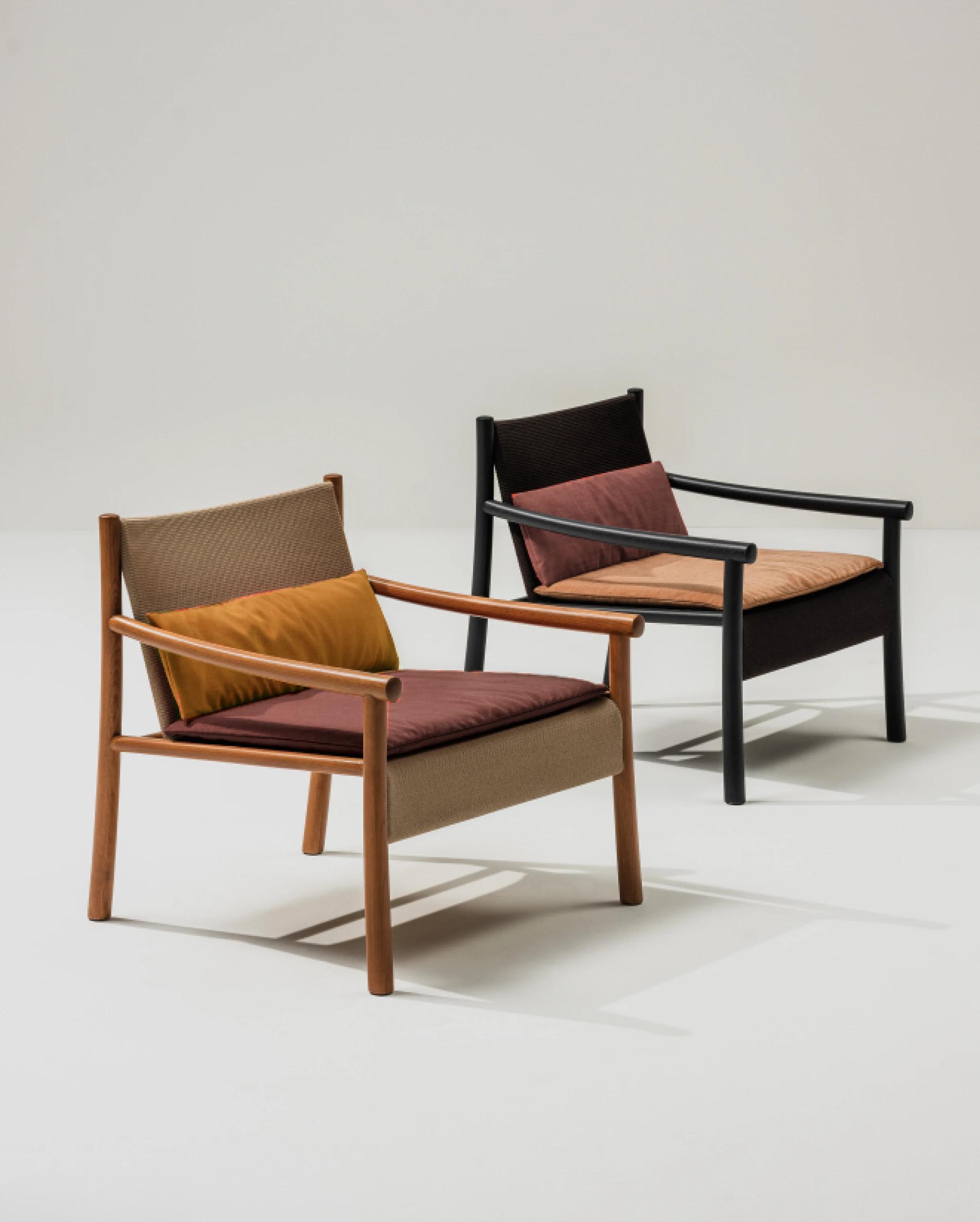
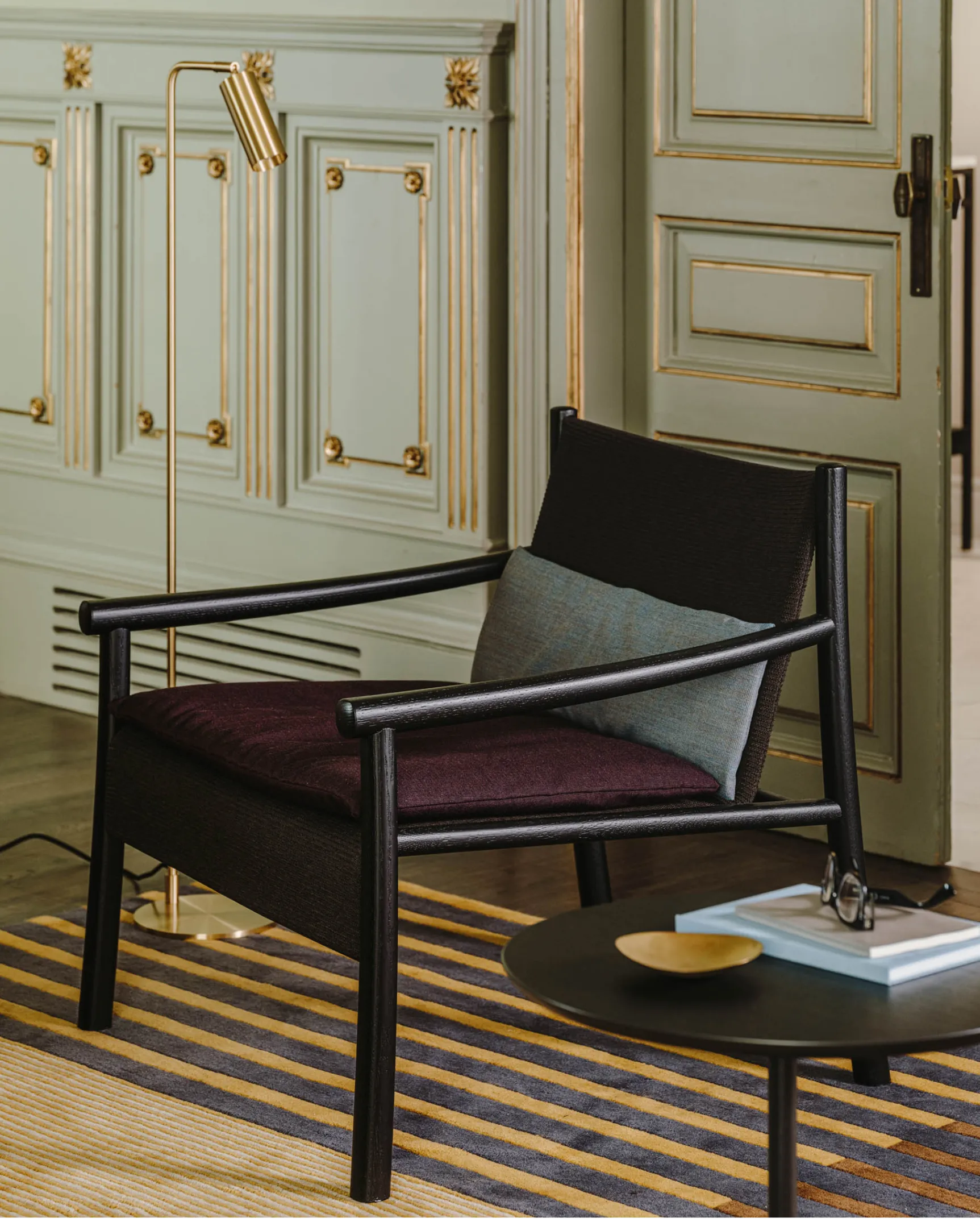
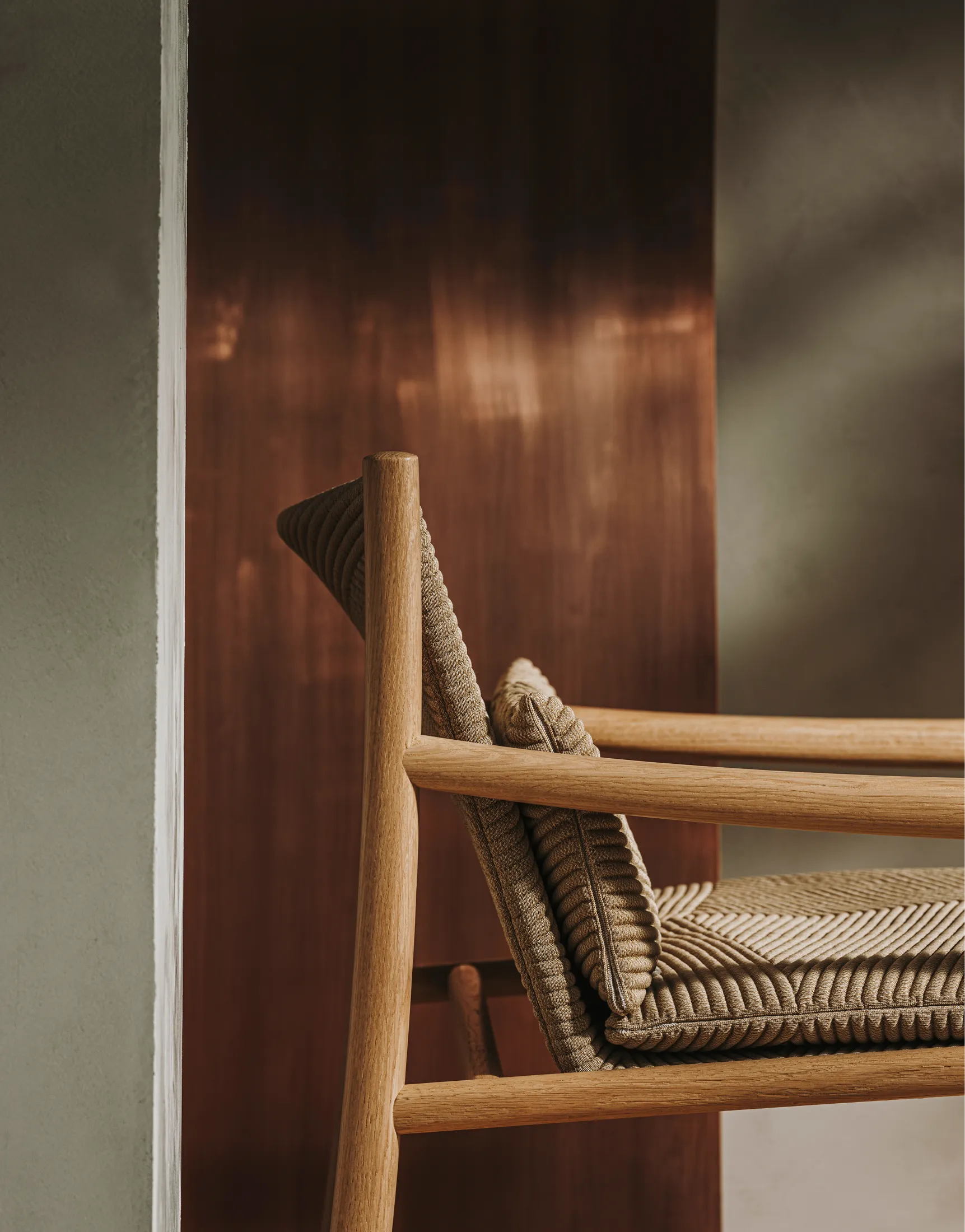
Lightweight in form and environmental footprint, we designed Kata with circular sustainability at its core. Arper’s first solid wood lounge chair, Kata takes inspiration from pre-industrial furniture, traditional craft techniques and artisan textures and reimagines the near universal typology using contemporary, sustainable solutions in an expression that’s both graphic and warm.
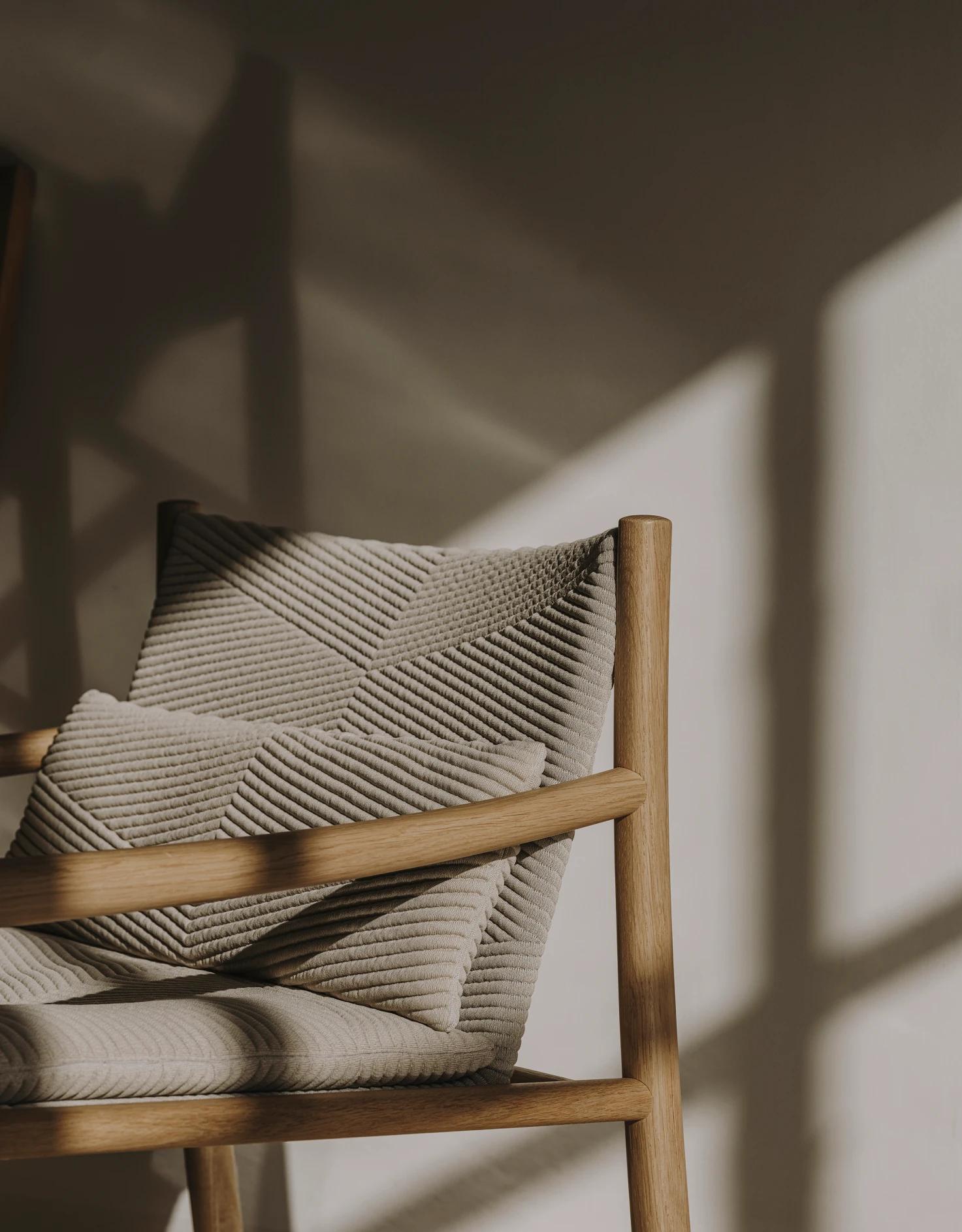
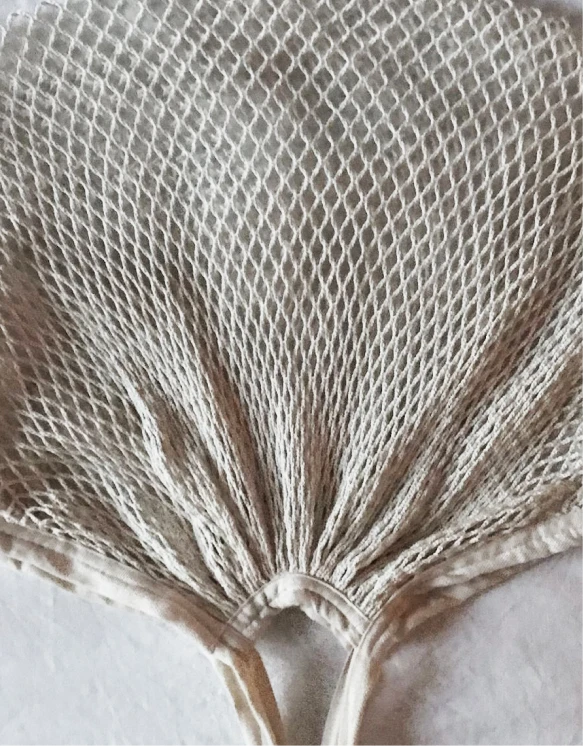
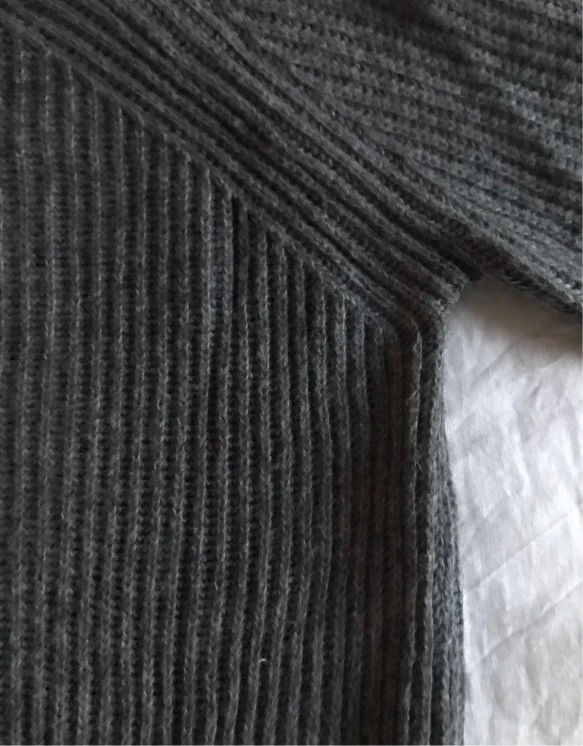
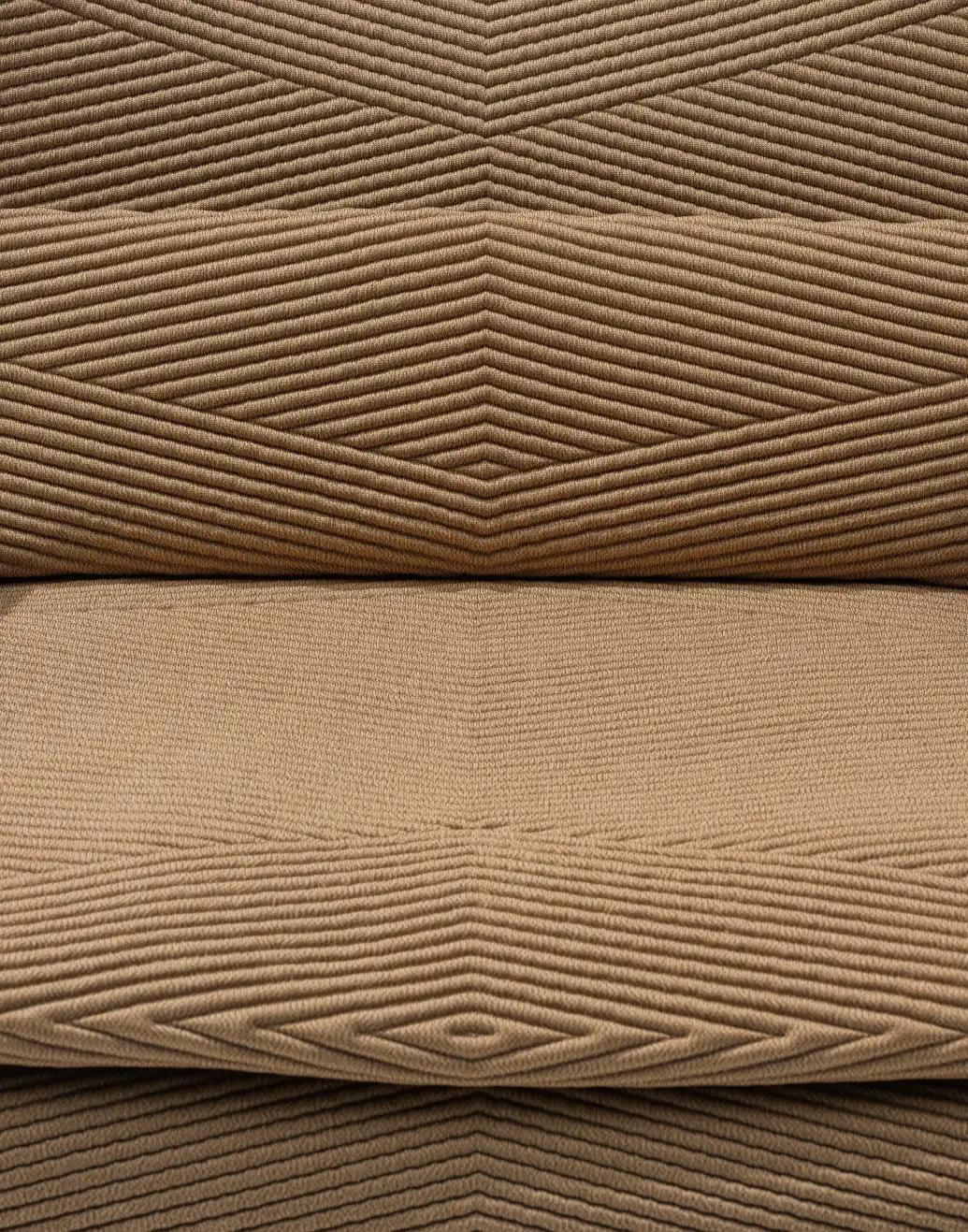
We wanted to take 3D knit technology and interpret it not in its traditional usage – high tech, synthetic, bold, and sporty – but in a way that combines high tech materials with an artisan feel.
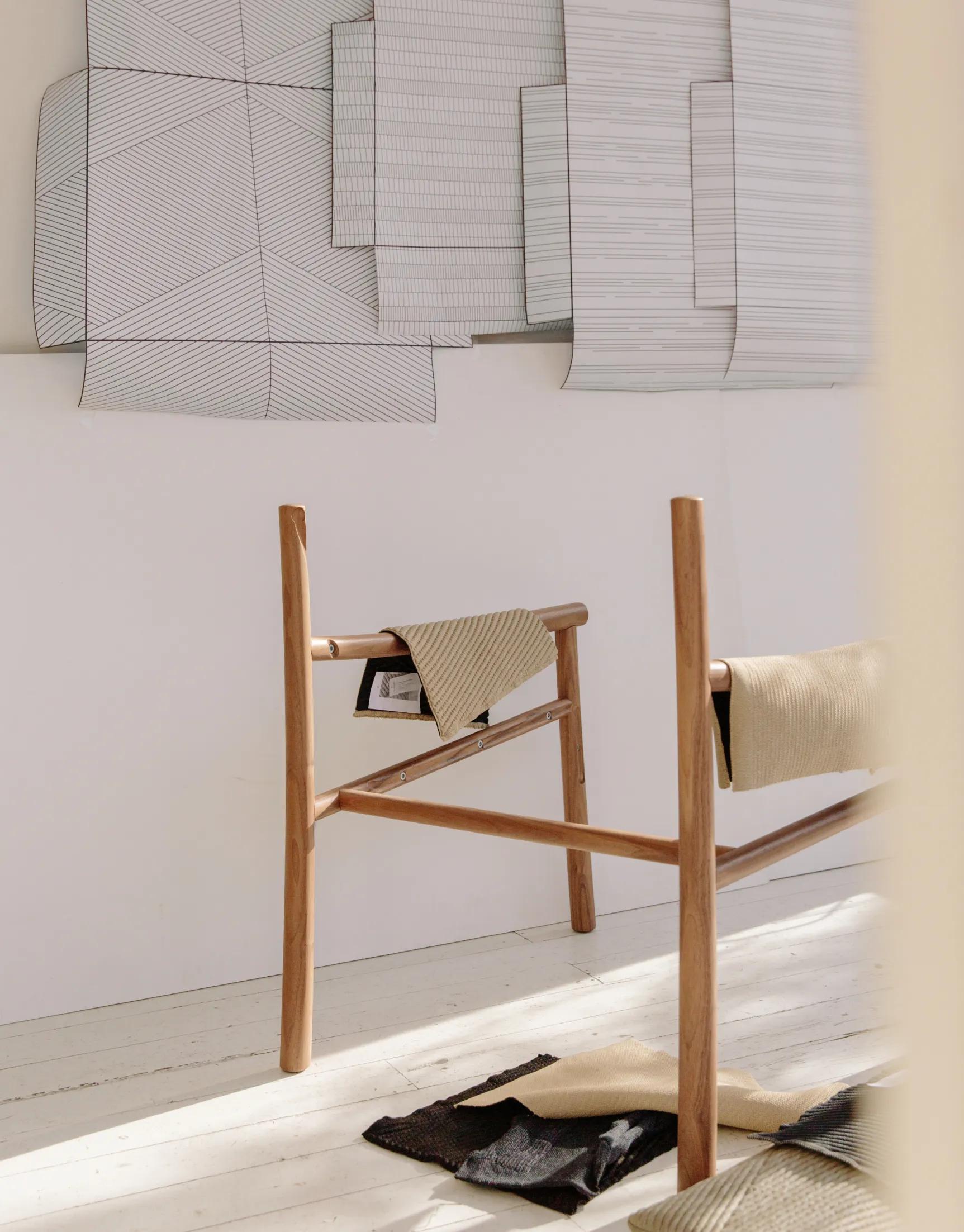
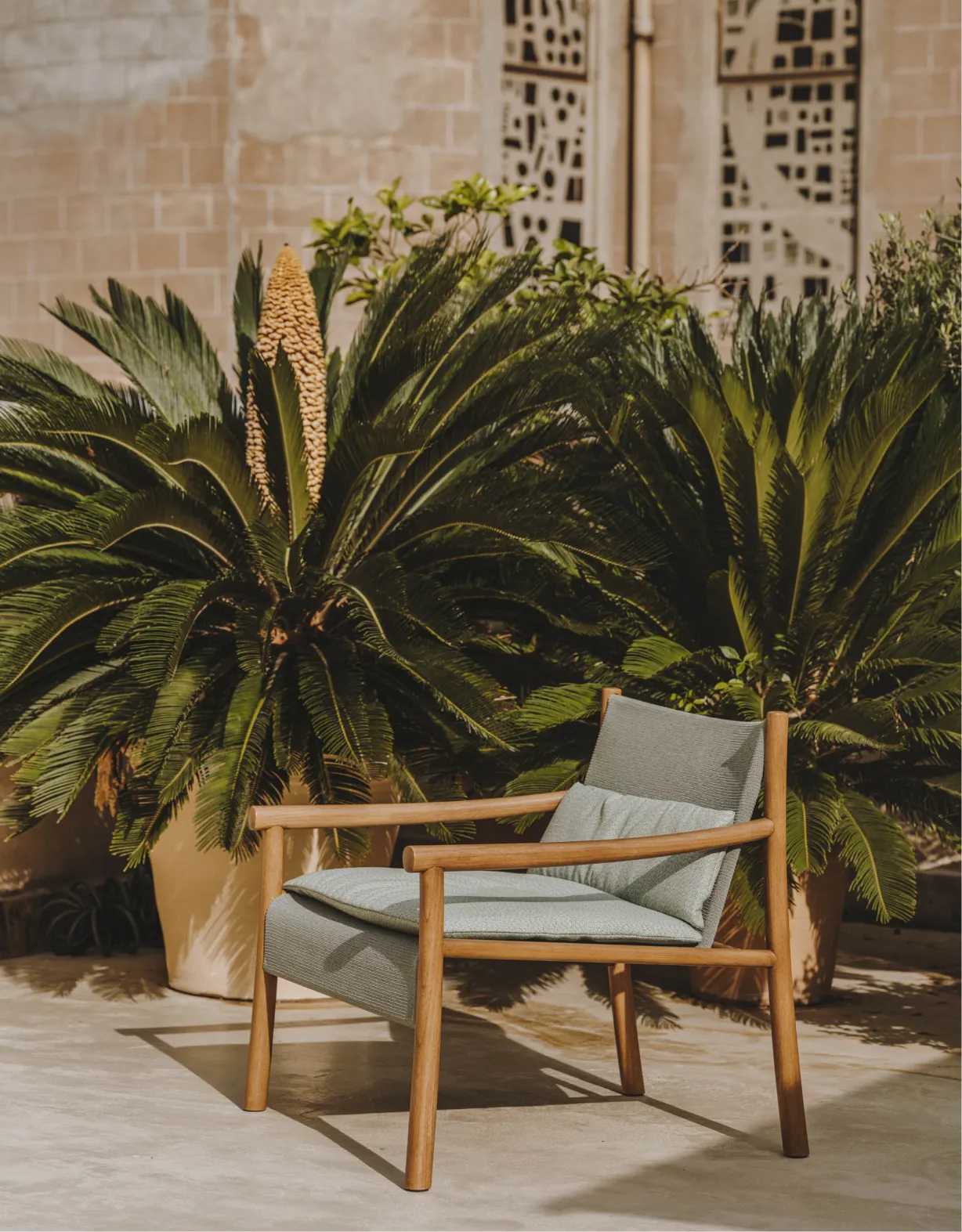
The collection features two different finishes - a rich, textured 3D knit cover with embedded padding, and a more lightweight cover that can be combined with fabric cushions for both indoor and outdoors.













360 DEGREE SUSTAINABLE
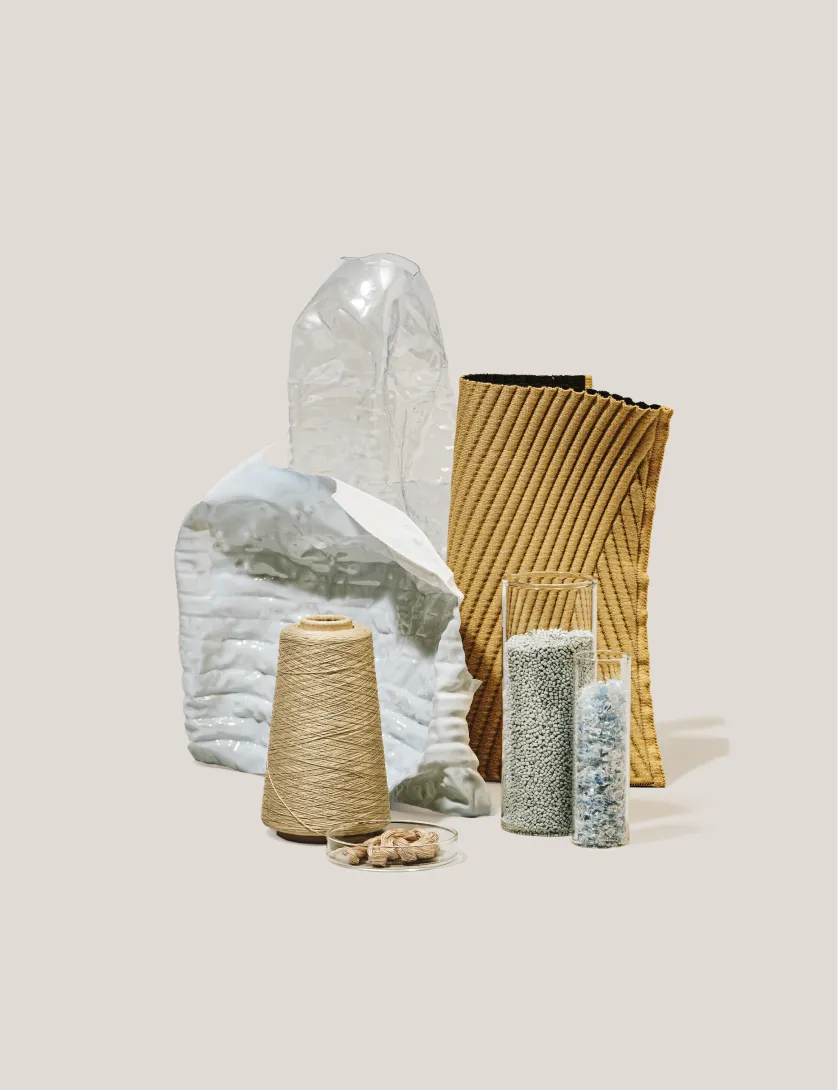
The 3D knit, made from 122 post-consumer recycled PET bottles, uses only the exact amount of material needed for the chair — as opposed to a woven cloth from which pieces are cut to shape. This eliminates excess entirely: traditional upholstery methods waste between 30 and 50 percent of their fabric, while 3D knitting produces none. The result is a textile that is not only recycled in its origin but responsible in its making, with no offcuts, no surplus, and nothing discarded.
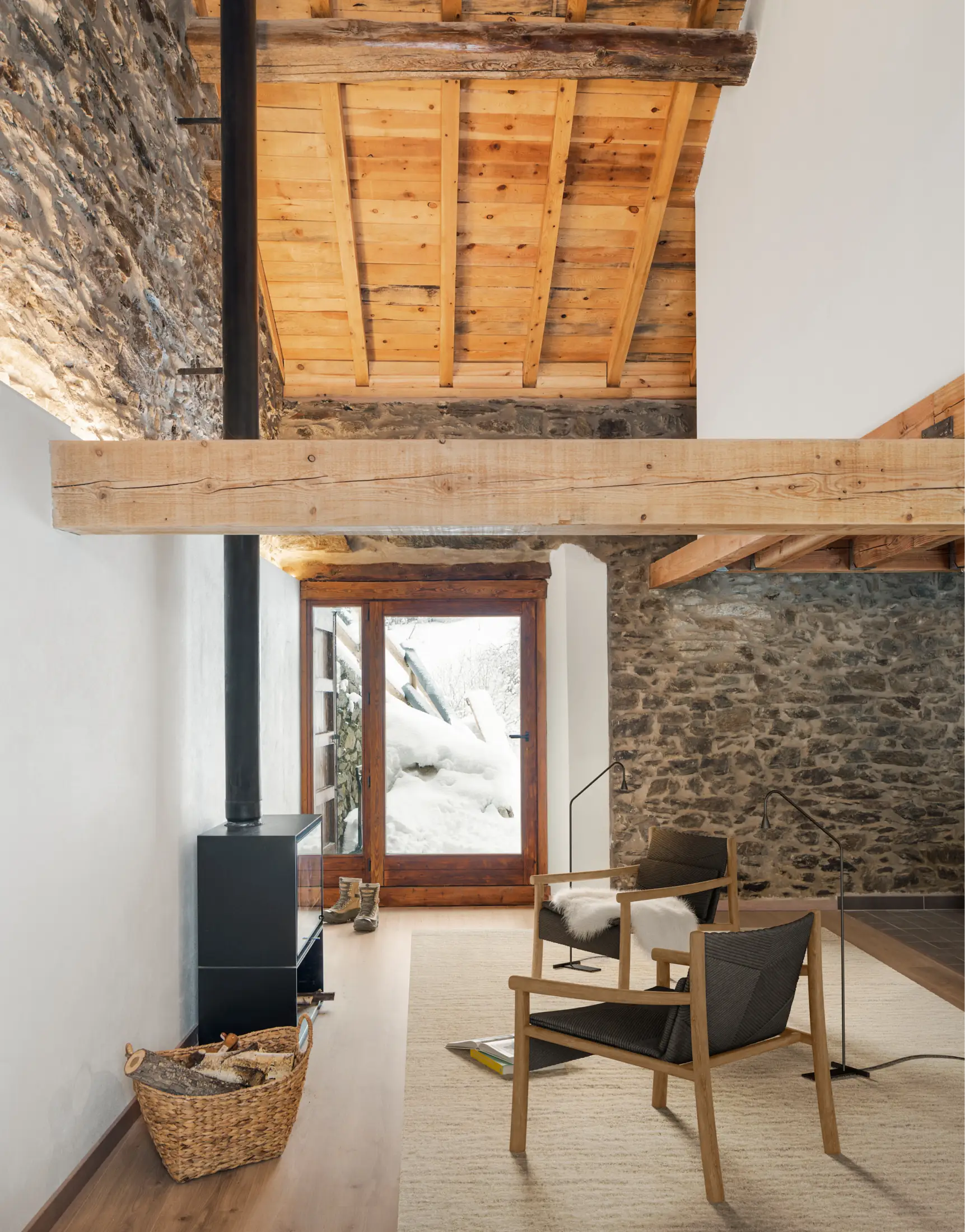
The hardwood timber comes from FSC-certified forests in Europe, finished with a matte, water-based natural varnish that avoids harmful solvents. The chair is completely disassemblable, allowing each material to be properly sorted and recycled at the end of its life. Its exceptional lightness further reduces the environmental footprint: less weight means lower CO2 emissions across every stage of shipping and distribution, making sustainability not an afterthought, but a principle built into the object from every angle.






COLORS AND TEXTURES
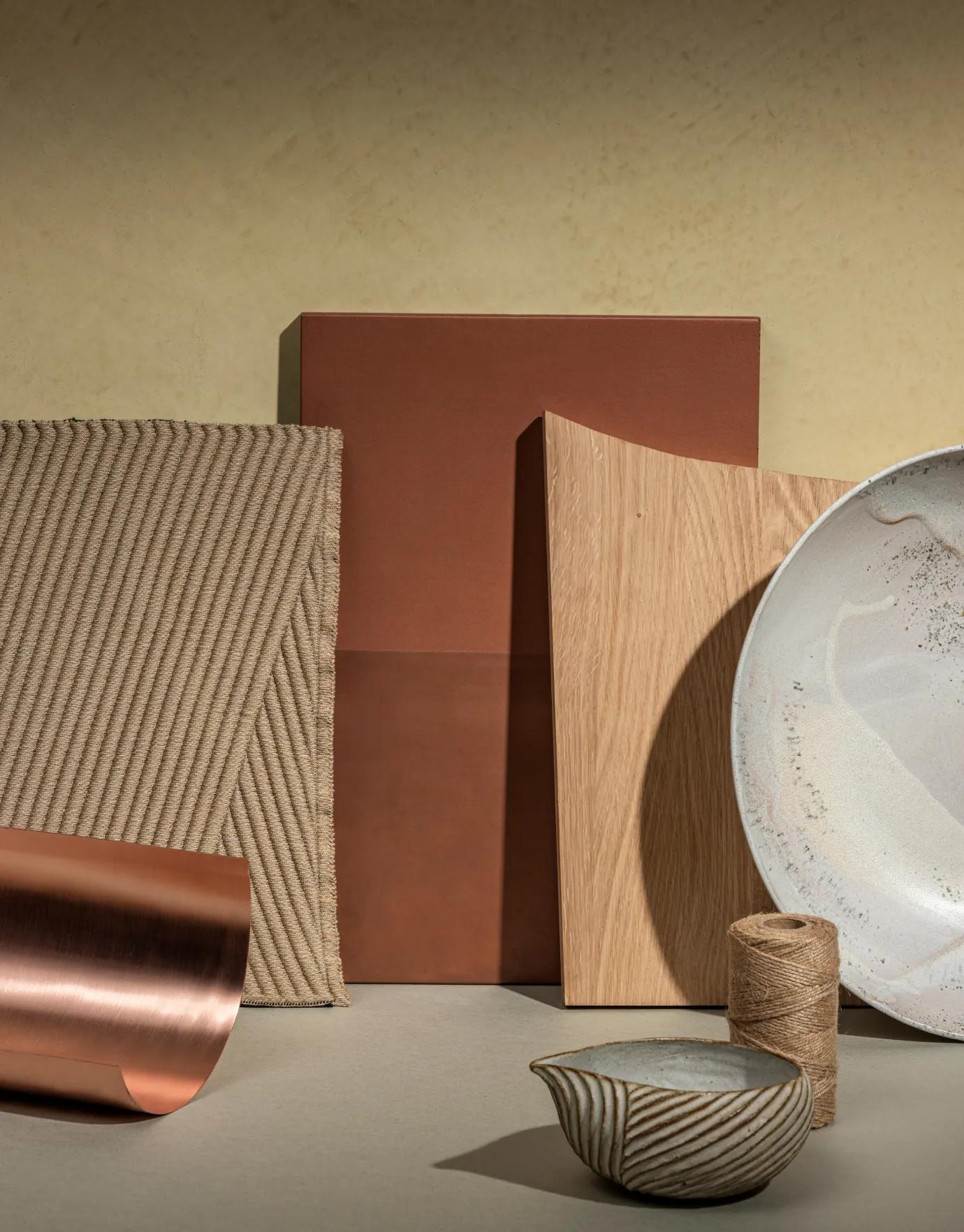
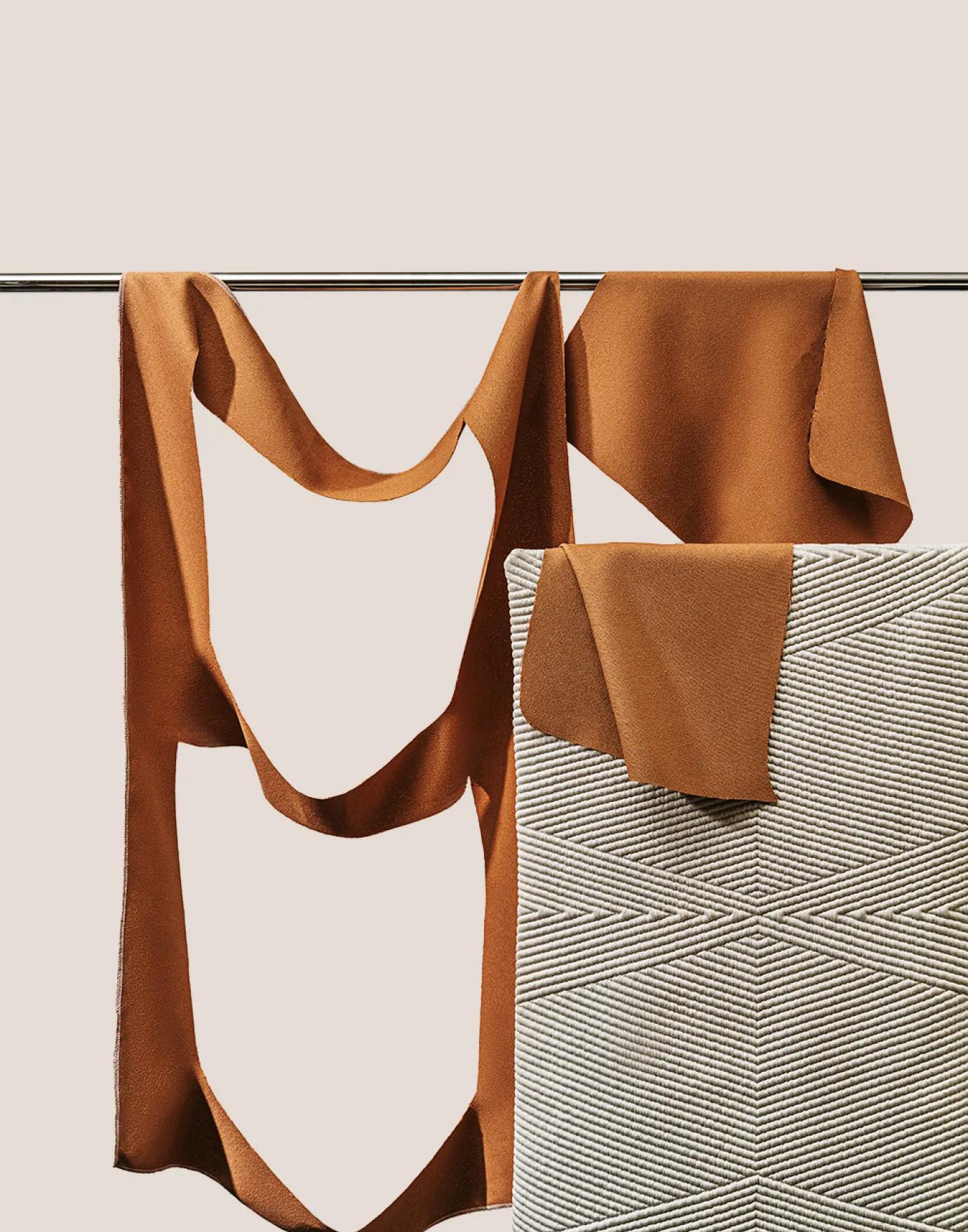
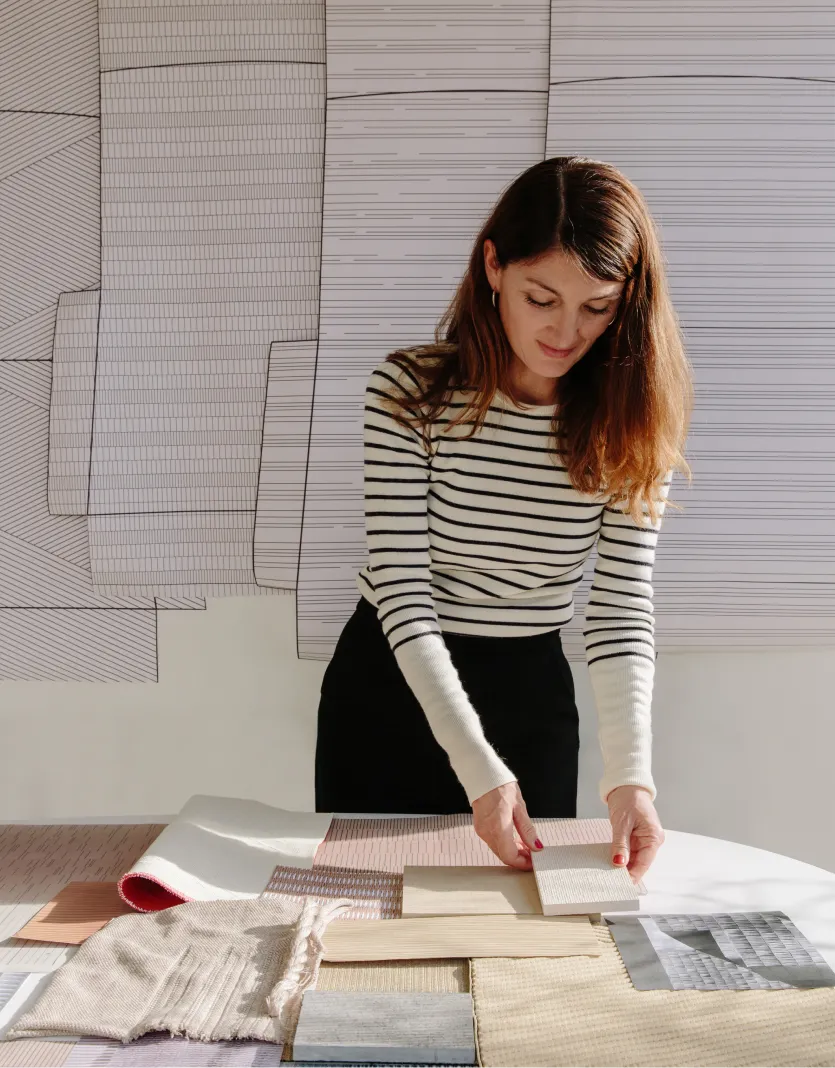
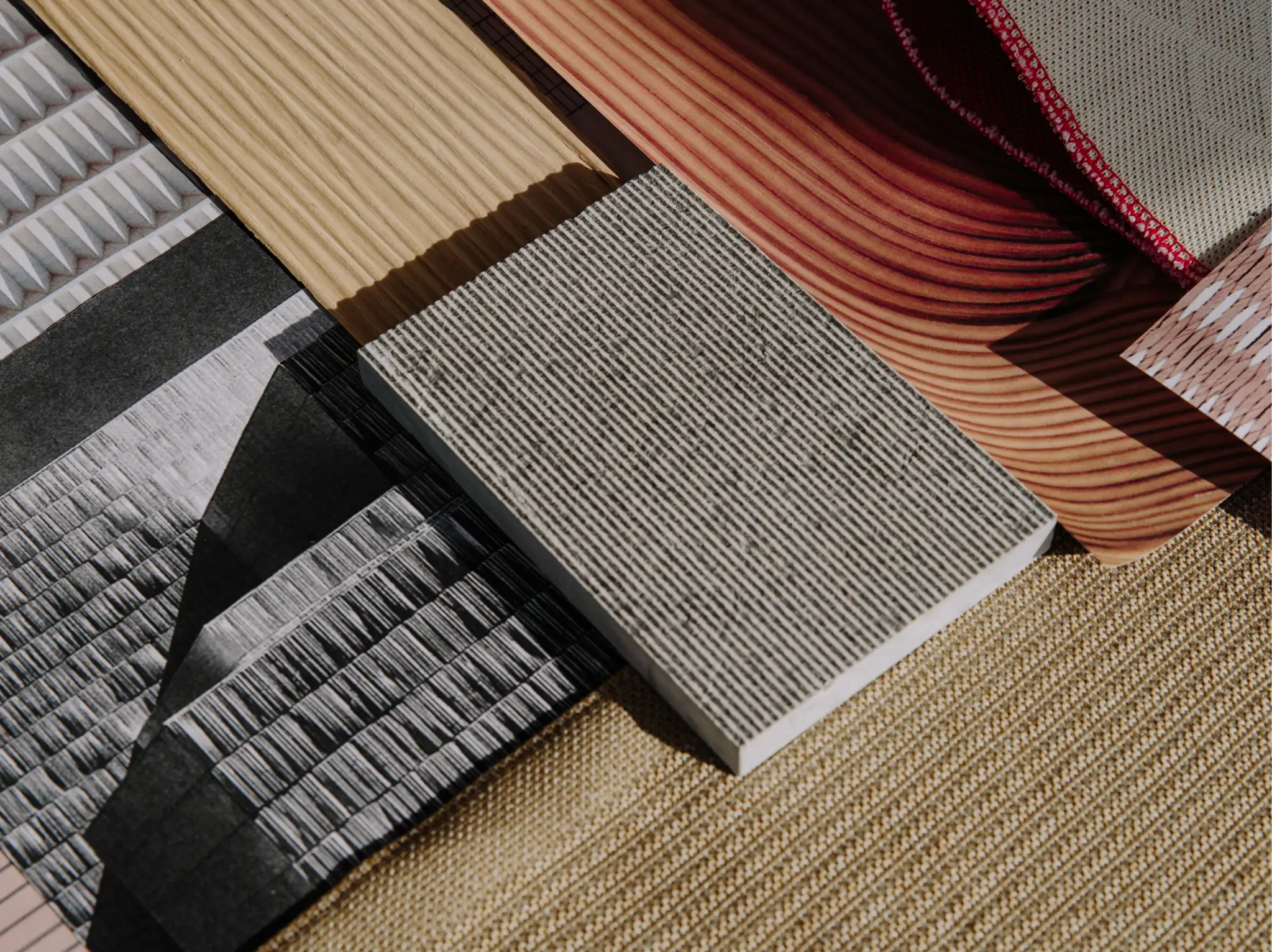
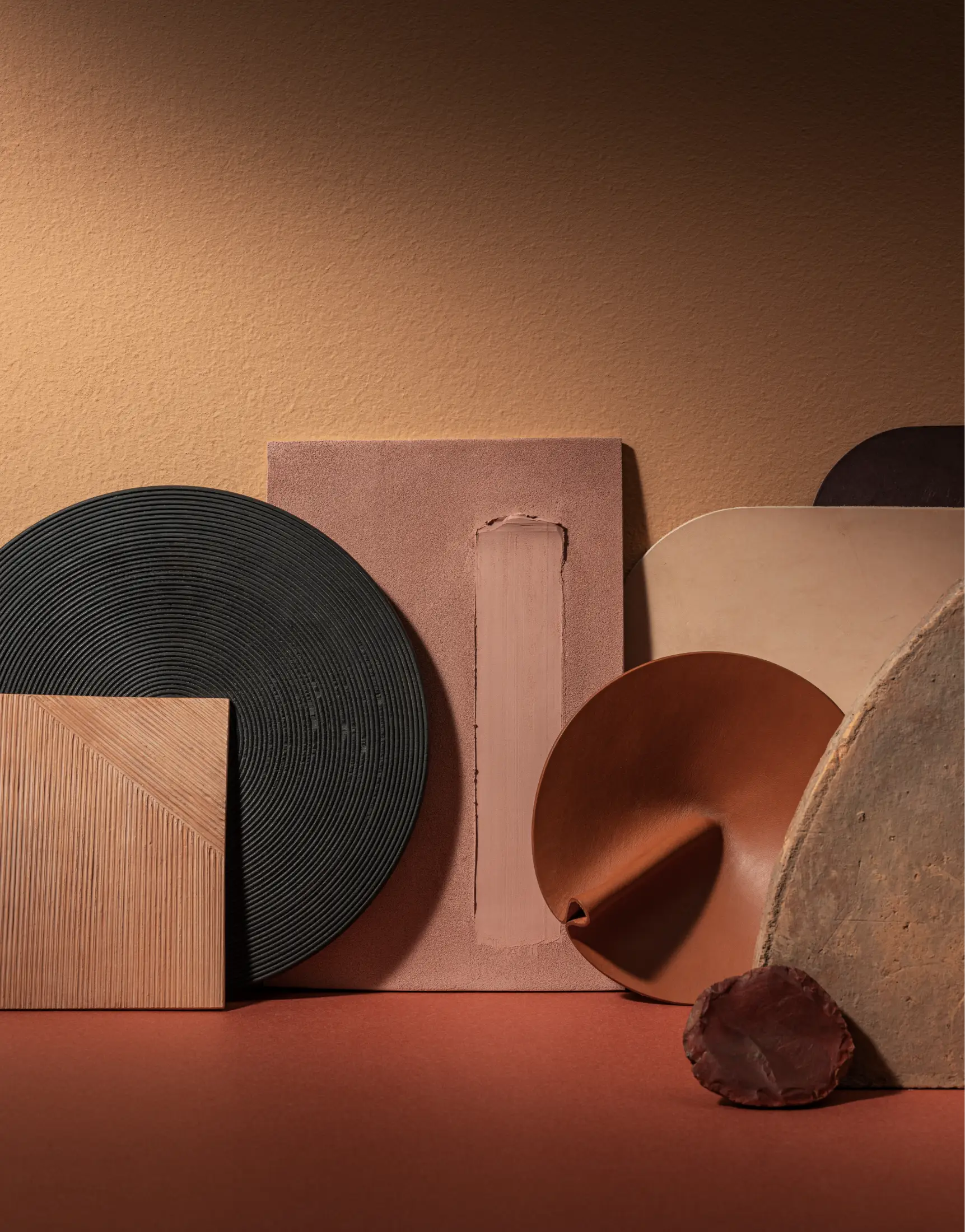
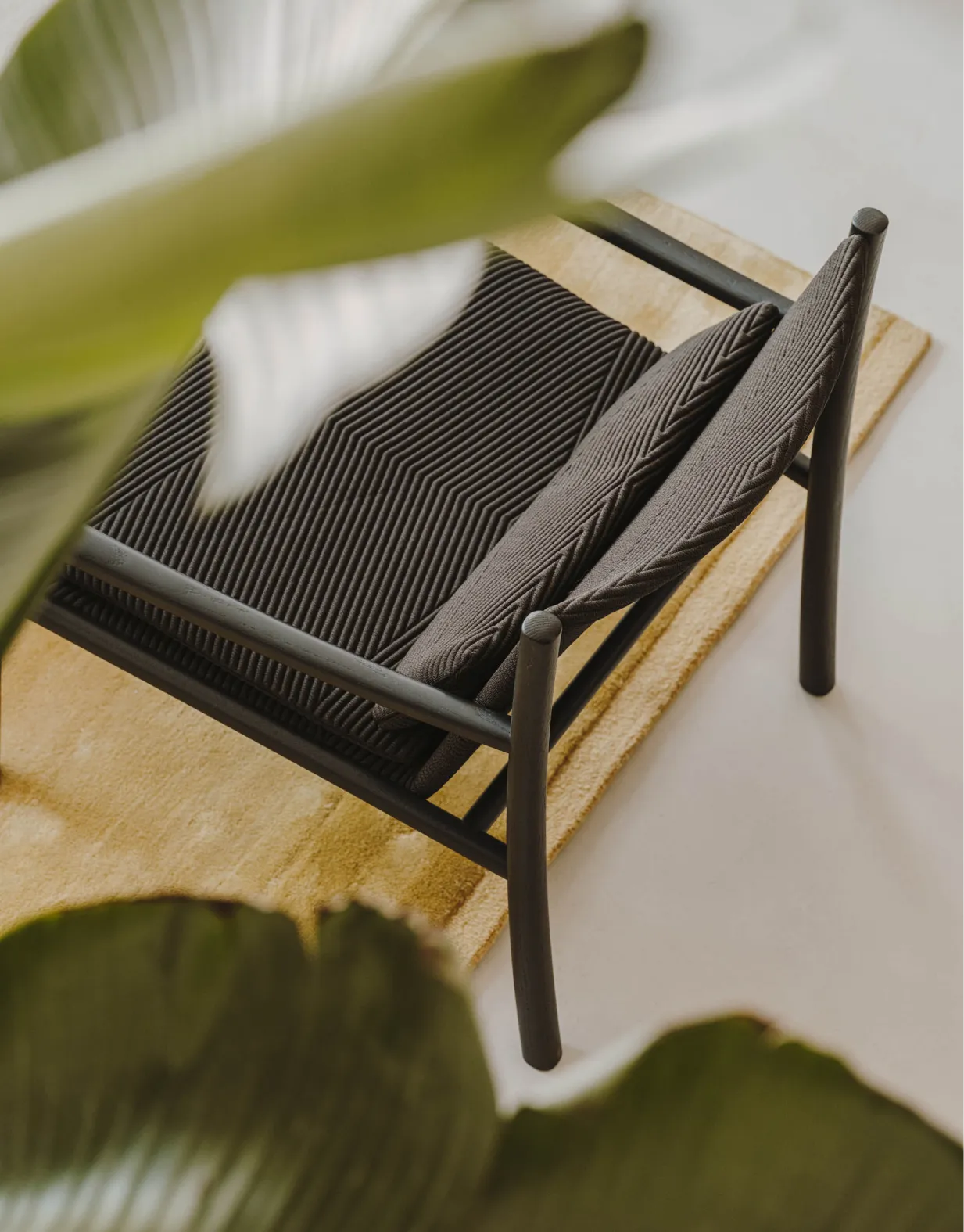
The 3D knit covers come in a minimalist palette of four undyed tones: charcoal, linen, wheat, and water. These natural hues rely on surface richness rather than expressive color; combined with Wood, they offer a wide range of subtle yet distinctive variations. The result is a harmonious blend of form, material, and environmental responsibility.
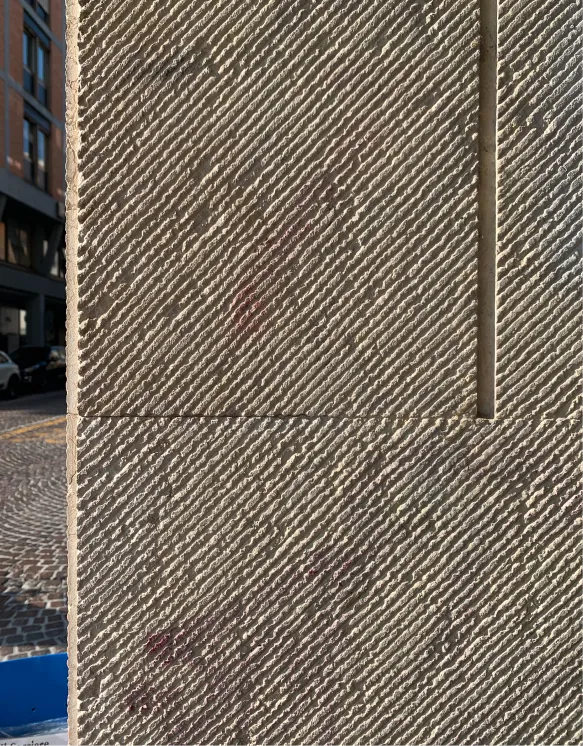
We explored strategies beyond color to bring depth and animation to a space. By focusing on texture, materiality, and light, expressive colors become less essential when the surface itself carries character. In this way, color can be used sparingly and intentionally — perhaps as a subtle accent on a single cushion







BEYOND CATEGORY
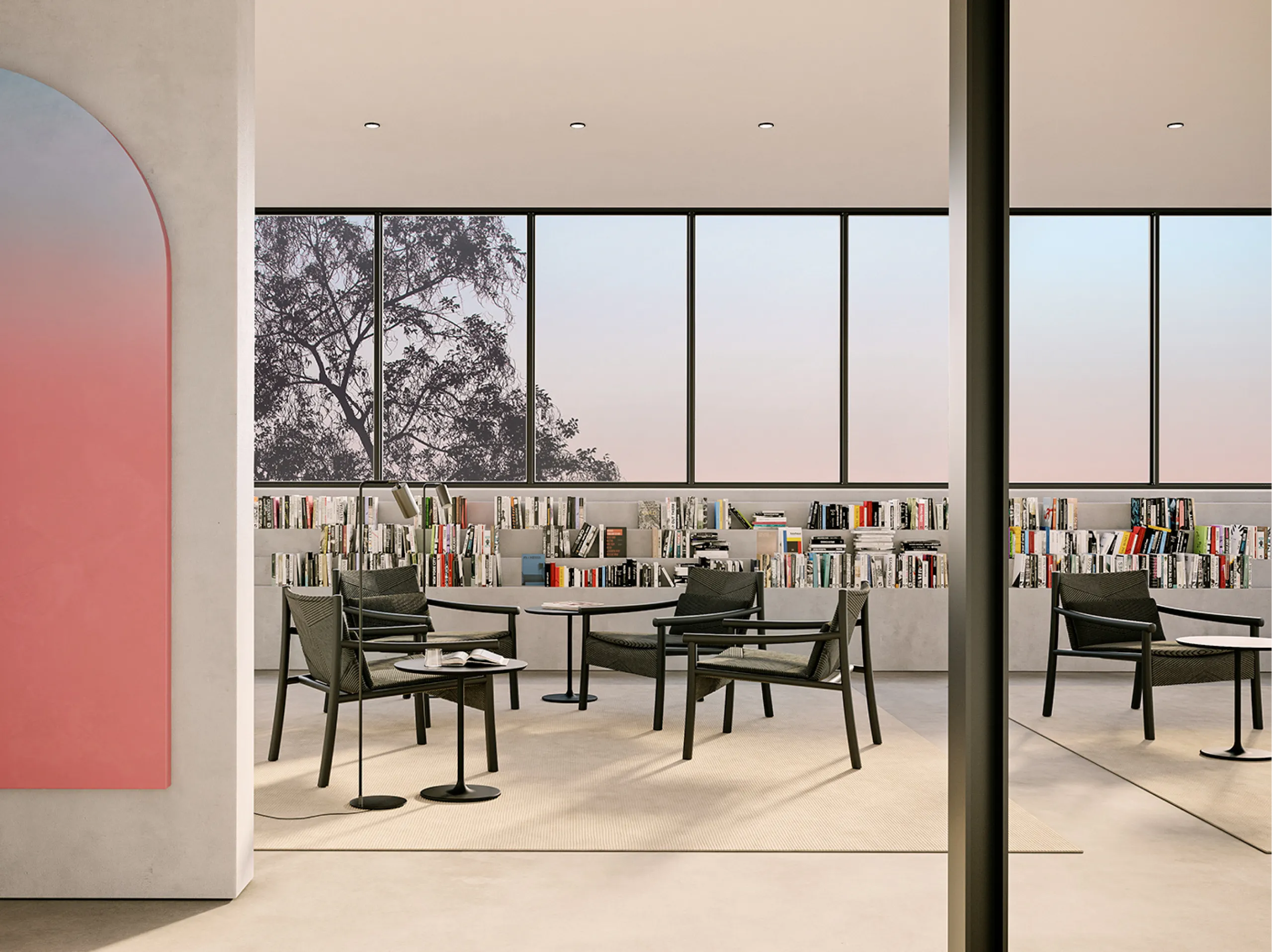
Kata was designed for the kind of spaces that resist easy categorization — the living room that doubles as a workspace, the hotel lounge that wants to feel like a home, the covered terrace where inside and outside blur. Its proportions invite a relaxed, settled posture without sacrificing the visual lightness that allows it to inhabit a room without dominating it.
The transition to outdoor use extends this flexibility further. Designed to withstand the conditions of semi-protected exterior spaces, Kata brings the same warmth and considered materiality of an interior piece to terraces, patios, and garden lounges. Lightweight and easy to move, it encourages a fluid relationship between inside and outside — following the rhythm of the day, the season, or simply the moment.


Awards
FX Winner
Mixology Product of they year
Finalist Interior Design Best of the year
AZ People’s choice
Delta Silver Award
ADI Design Index
PRODUCT DESIGN
Altherr Désile Park
ART DIRECTION
Altherr Désile Park
IMAGERY
Salva López, Marina Denisova, Altherr Désile Park